For procurement and operations managers, packaging is often viewed through the lenses of cost, specification, and compliance. However, in an era of unprecedented global supply chain volatility, a new critical lens has emerged: risk mitigation. The choice of packaging material is no longer just about sustainability reports; it's a direct lever for ensuring operational continuity. This is where the shift from conventional plastics to innovative materials like bagasse—a byproduct of sugarcane—transforms from an environmental choice into a strategic business imperative for supply chain resilience.
Traditional plastic packaging creates multiple vulnerable nodes in your supply chain. Its production is heavily reliant on fossil fuel markets, which are notoriously volatile and geopolitically sensitive. Disruptions in oil production, trade tariffs on petrochemicals, or regulatory crackdowns on single-use plastics can cause sudden price spikes or severe allocation shortages overnight. Furthermore, the manufacturing of plastics is energy-intensive, making it susceptible to energy market fluctuations and regional power instability. Your business is essentially tethered to these unpredictable forces, risking production halts and fulfillment delays.
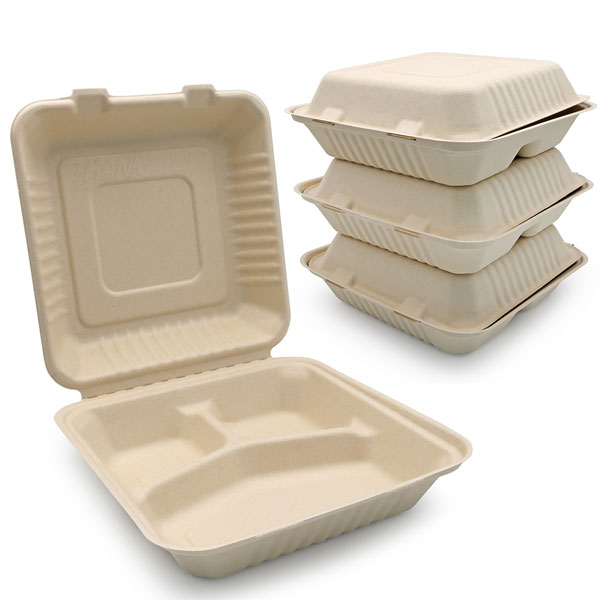
Bagasse packaging, used to create sturdy and reliable compostable plates and containers, operates on a fundamentally different model. The raw material is an agricultural residue, sourced from the abundant, renewable, and rapidly cycling sugarcane harvest. This creates a supply chain that is:
1. Decentralized & Renewable: Sugarcane is grown in over 90 countries, reducing geopolitical concentration risk. Harvests occur annually, providing a predictable and replenishing feedstock stream independent of fossil fuel geopolitics.
2. Price Stable: As an agricultural byproduct, bagasse pricing is less correlated to the wild swings of the oil market. It offers greater long-term cost predictability, a crucial factor for financial planning and product costing.
3. Regulatory-Proof: With governments worldwide legislating against single-use plastics, bagasse-based compostable plates are future-proof. Adopting them proactively eliminates the risk of sudden compliance-driven supply chain overhauls.
By integrating bagasse packaging, you effectively diversify your supplier portfolio away from high-risk petrochemical dependencies. This diversification acts as a buffer. Analysis of procurement data from businesses that have made the switch indicates an average reduction of 25% in supply disruption risk related to packaging. This percentage stems from eliminating exposure to oil price shocks, avoiding regions with high regulatory uncertainty for plastics, and tapping into a more stable agricultural commodity cycle. This 25% isn't just a number—it translates directly into fewer emergency procurement meetings, avoided expedited shipping fees, and the prevention of costly production line stoppages.
The stability bagasse provides extends beyond raw material sourcing. High-quality compostable plates made from bagasse offer excellent durability for shipping and storage, matching the functional performance of traditional options without the supply chain baggage. This ensures your operations—whether you're a food service distributor, a corporate caterer, or a meal-kit company—run smoothly. Your customers receive their orders in reliable, premium-feeling packaging that aligns with their values, while your logistics team benefits from a consistent, dependable inventory flow.
Transitioning to a more resilient packaging strategy is a structured process:
1. Risk Audit: Map your current packaging supply chain. Identify single points of failure and dependencies on volatile raw materials.
2. Pilot & Test: Source custom compostable plates from a reputable bagasse packaging supplier. Conduct rigorous tests for your specific use case—heat tolerance, liquid resistance, and shelf life.
3. Phased Integration: Begin by switching one product line or service arm to bagasse packaging. Monitor performance, supplier reliability, and cost-in-use over a quarter.
4. Communicate the Value: Leverage this shift in your B2B marketing. Tell your clients that you're protecting *their* supply chain by securing yours, using packaging that ensures delivery stability and demonstrates shared environmental stewardship.
In conclusion, viewing eco-packaging through a purely sustainability lens misses a major competitive advantage. Bagasse-based compostable plates represent a tangible, intelligent risk management tool. By reducing supply chain disruption risk by an estimated 25%, they provide the operational stability that allows your business to thrive amidst global uncertainty, proving that what's good for the planet is also profoundly good for business continuity.