For listed companies globally, 2024 marks a pivotal year. With stringent new ESG (Environmental, Social, and Governance) disclosure regulations coming into force, your environmental footprint is no longer a sidebar in your annual report—it's a core metric scrutinized by investors, regulators, and rating agencies like MSCI. A weak ESG rating can increase capital costs, repel sustainable investors, and damage brand reputation. The pressure is on to find tangible, reportable actions that move the needle. For many enterprises, a significant yet overlooked environmental impact lies in corporate operations: single-use foodservice items from daily cafeterias, client events, and employee gatherings.
The new regulations demand concrete data on waste generation, recycling rates, and plastic pollution. Simply stating "we recycle" is insufficient. Companies must demonstrate a verifiable reduction in non-recoverable waste, particularly plastics that end up in landfills or as pollution. This is where traditional plastic or even poorly managed "bioplastic" tableware becomes a liability. It represents a measurable stream of waste that contradicts stated environmental goals.
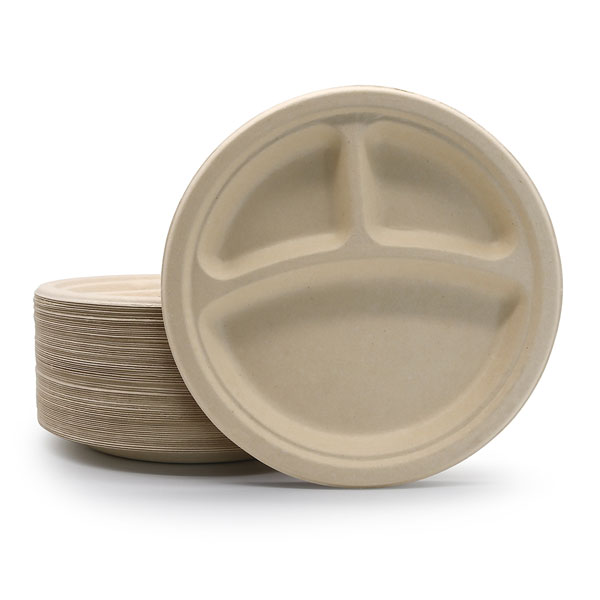
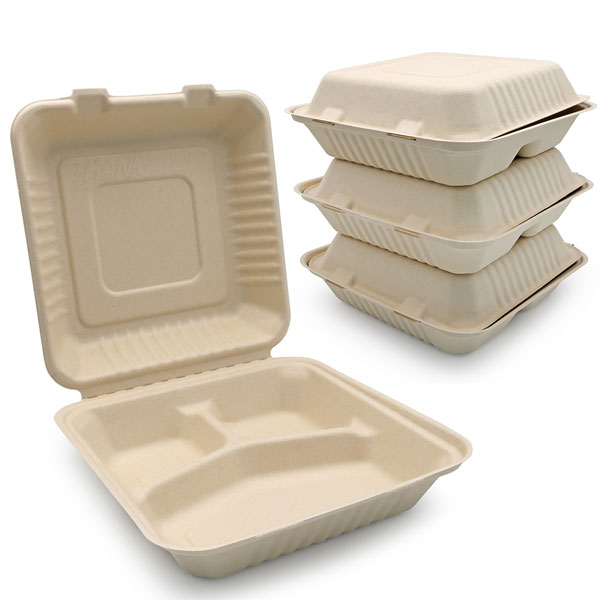
This is the strategic advantage of a full shift to certified compostable plates and cutlery. Unlike conventional plastics or ambiguous "biodegradable" claims, certified compostable products are designed to break down into nutrient-rich compost in industrial facilities, completing a circular loop. By adopting them, your company can:
Directly Improve Key MSCI ESG Metrics: MSCI's ratings deeply analyze a company's waste management and carbon footprint. Switching to compostable plates allows you to report a measurable decrease in plastic waste sent to landfills and a reduction in Scope 3 emissions associated with petroleum-based plastics. This actionable change directly feeds into the environmental pillar of your score.
1. Waste Diversion with Data: Partnering with a commercial compost hauler for your food and compostable plate waste creates a auditable stream. You can now report a specific tonnage of waste diverted from landfill—a powerful data point for disclosures.
2. Mitigating Plastic Pollution Risk: Regulations increasingly target single-use plastics. By preemptively eliminating them from your operations, you future-proof your business against bans and taxes, a factor ESG analysts note favorably.
3. Enhancing Brand and Stakeholder Alignment: Using custom-branded compostable plates at corporate events signals commitment to employees, clients, and investors. It transforms a routine operational item into a visible symbol of your ESG ethos, strengthening your social license to operate.
A 20% improvement in an MSCI rating is ambitious but achievable through targeted actions. Packaging and waste are high-visibility, manageable entry points. A comprehensive program replacing all corporate single-use foodservice items with certified compostable plates, bowls, and utensils, backed by proper collection infrastructure, demonstrates systematic change. It shows raters you are addressing material environmental issues with operational integrity, not just aspirational reports.
The transition requires a partner who understands both the material science and the corporate sustainability landscape. As a B2B provider of custom compostable plates, we help you navigate certifications (like BPI, OK compost INDUSTRIAL), design a seamless implementation plan, and provide the documentation needed for your ESG reporting. Don't let outdated packaging undermine your sustainability narrative. Transform it into one of your strongest assets for 2024 and beyond.
Ready to turn your tableware into a tool for ESG excellence? Contact our team to develop a custom compostable plate strategy that aligns with your disclosure goals and drives your rating upward.