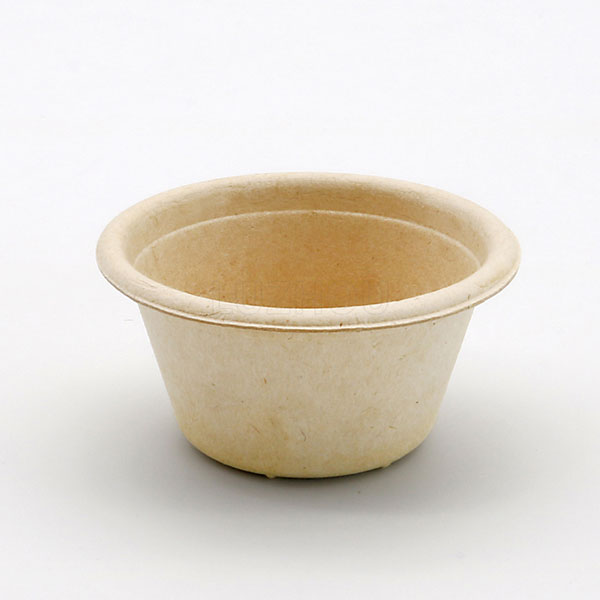
For sustainability managers and facility directors, the corporate cafeteria presents a unique challenge: a high-volume stream of single-use waste that impacts both the bottom line and the company's environmental footprint. Traditional "solutions" often fall short—recycling is plagued with contamination issues, and vague "biodegradable" claims can lead to greenwashing accusations. The search for a genuine, cost-effective alternative ends with a powerful duo: operational efficiency and 100% compostability. The answer lies in a material you might not have considered: sugarcane pulp.
Before exploring the solution, let's quantify the problem. Conventional plastic or plastic-coated food containers incur more than just the per-unit purchase price. They create a cascade of hidden expenses: specialized waste hauling fees for non-recyclable materials, increased contamination fines in recycling streams, and the intangible cost of damaging your brand's green credentials in the eyes of employees and clients. This complex waste stream management is a silent budget drain.
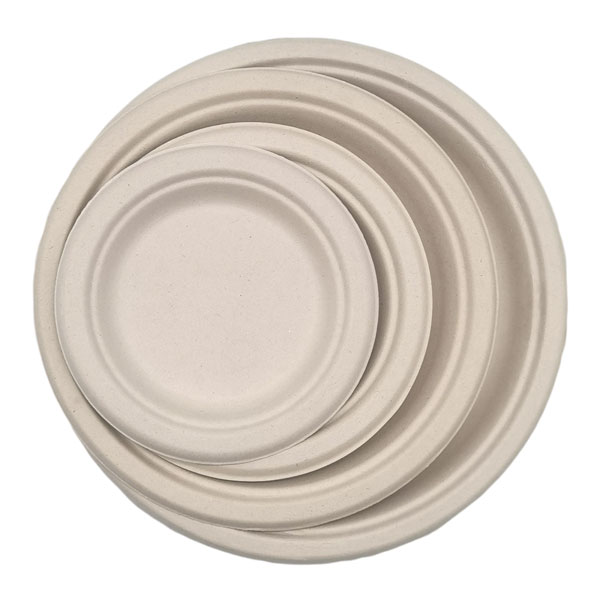
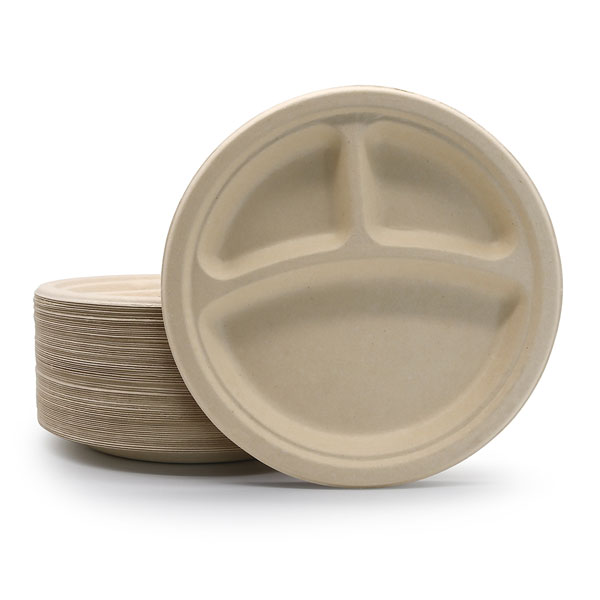
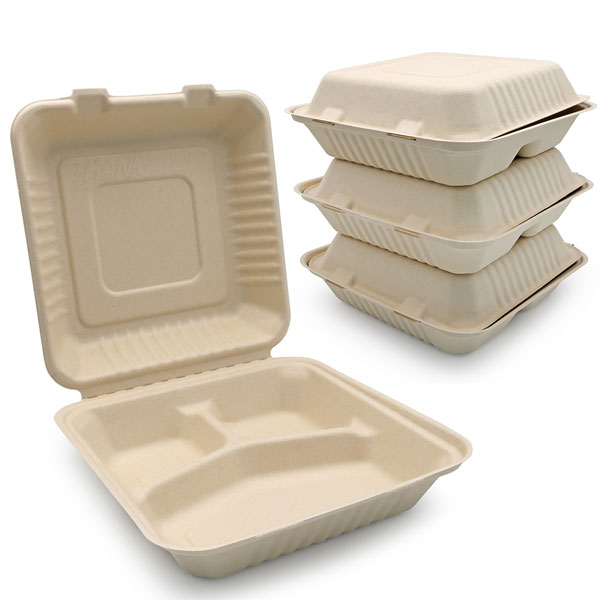
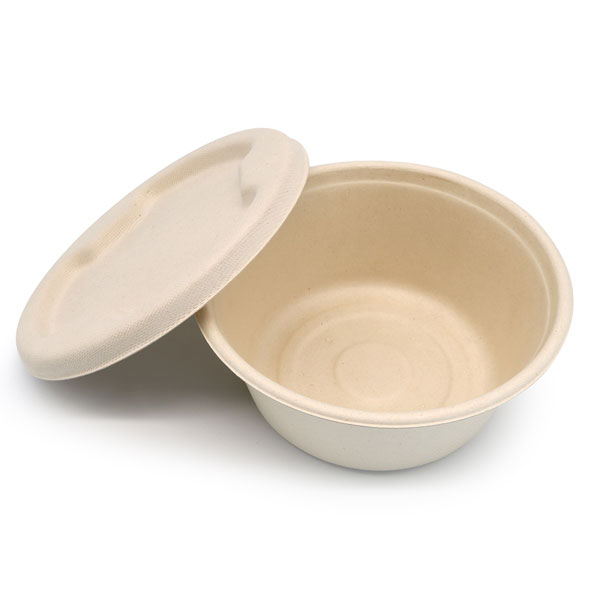
Sugarcane pulp, or bagasse, is the fibrous byproduct left after extracting juice from sugarcane. Instead of being burned or discarded, this resilient material is molded into incredibly sturdy foodservice ware. These compostable plates and containers are designed to perform. They are microwave-safe, cut-resistant, and can handle saucy, greasy, or heavy meals without leaking or wilting—addressing the primary pain point of durability that often worries cafeteria operators considering a sustainable switch.
Where does the significant savings come from? The shift to sugarcane pulp compostable plates streamlines your waste management ecosystem. First, it eliminates the need for costly, separate waste streams. All food scraps and containers can be combined into a single organics bin for commercial composting. This dramatically reduces hauling fees and bin space requirements. Second, by diverting waste from landfills, many companies see a direct reduction in waste-related taxes and levies. Third, it minimizes the labor time spent on sorting contaminated recycling. When you calculate the total cost of ownership—purchase, disposal, and handling—the savings become strikingly clear.
"Compostable" is a term with weight. Unlike products that merely fragment, certified commercial-grade compostable plates made from sugarcane pulp will completely break down into nutrient-rich compost within 90 days in a proper facility. This closes the loop authentically. For your corporation, this translates into a tangible, marketable achievement: verifiable zero-waste-to-landfill for cafeteria operations. It's a powerful story for ESG reports, employee recruitment, and public corporate social responsibility communications, building genuine brand equity.
Transitioning smoothly requires partnership. Start with a pilot program in one cafeteria station. Work with a supplier who provides not just products, but also employee education materials—clear bin signage explaining the compost system. Crucially, establish a partnership with a local commercial composting facility to ensure your waste completes its journey. This end-to-end system thinking turns a simple product purchase into a legacy operational improvement.
Choosing sugarcane pulp compostable plates is more than a procurement decision; it's an investment in systemic efficiency and authentic environmental leadership. It aligns daily operations with overarching corporate sustainability goals, delivering measurable financial returns and a robust, credible green narrative. In the modern marketplace, where talent and clients choose partners based on values, this is not just an option—it's the next standard for forward-thinking corporate facilities.
Ready to calculate your potential savings and environmental impact? The journey to a cleaner cafeteria and a healthier budget begins with reimagining a single plate.