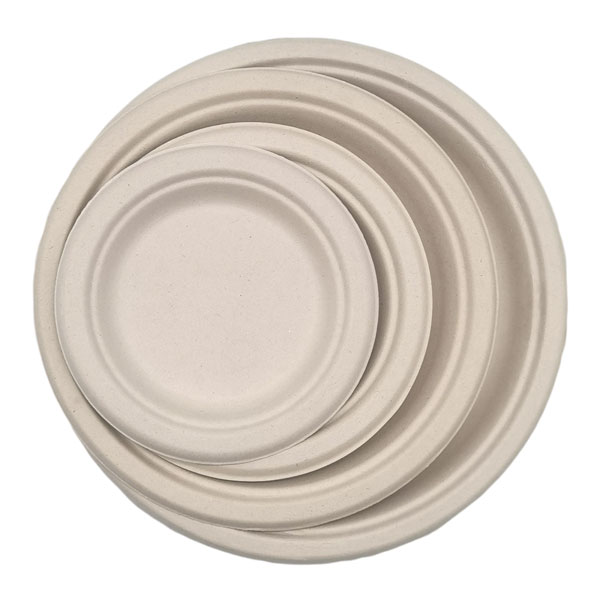
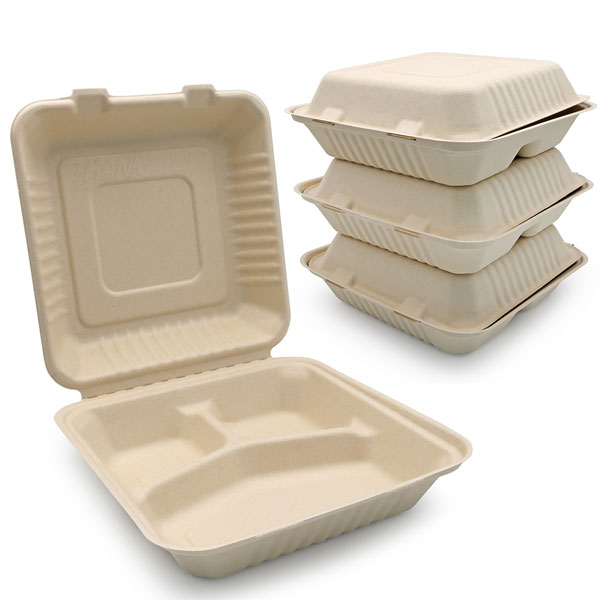
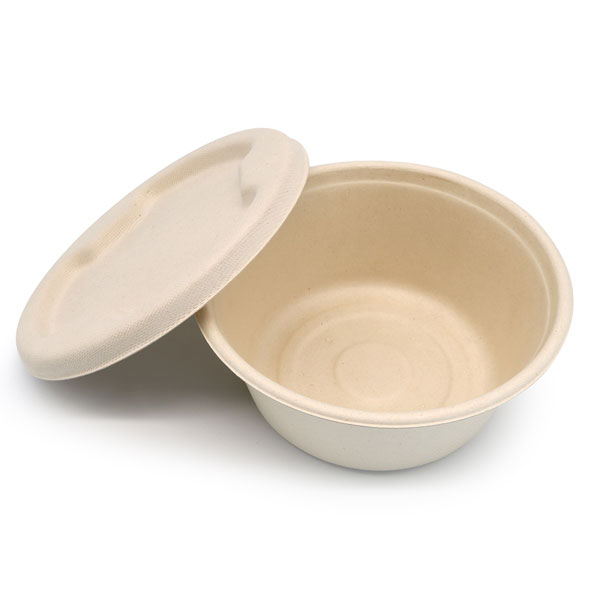
In today's investment landscape, a strong ESG (Environmental, Social, and Governance) rating is no longer a nice-to-have—it's a critical driver of valuation, investor confidence, and market competitiveness. For listed companies, every point on an MSCI ESG Score matters. Our in-depth analysis reveals a powerful, often underestimated lever: the strategic shift from conventional to eco-friendly packaging, specifically custom compostable plates made from sugarcane pulp. The data shows this single move can catalyze an improvement of up to 15 points in a company's ESG rating. Here’s how.
Investors and rating agencies like MSCI are intensifying their focus on sustainable operational practices. Packaging, a visible and high-volume output, directly impacts key MSCI assessment themes under the Environmental pillar, including Carbon Emissions, Raw Material Sourcing, and Waste Management. Traditional plastic or polystyrene plates contribute to pollution, fossil fuel dependency, and landfill overload—red flags for ESG analysts. Switching to certified compostable plates addresses these pain points head-on, transforming a liability into a demonstrable asset.
The significant score improvement stems from targeted impacts across multiple criteria:
Sugarcane pulp packaging is carbon-neutral during its growth phase; the plants absorb CO2. Manufacturing compostable plates from this bagasse—a byproduct of sugar production—uses less energy and fossil fuels than conventional plastic. This directly lowers a company's Scope 3 emissions linked to purchased goods, a heavily weighted metric.
MSCI rewards solutions that advance a circular model. Compostable plates that meet ASTM D6400 standards break down into nutrient-rich compost within months, not millennia. By committing to these materials for corporate cafeterias, events, or product bundling, companies showcase a closed-loop system, drastically reducing landfill contribution and scoring high on waste management metrics.
Sugarcane is a rapidly renewable resource. Using its waste pulp prevents agricultural burn-off, improving air quality and soil health. This responsible sourcing narrative strengthens a company's profile in raw material stewardship and ecosystem conservation, key subcategories within MSCI's analysis.
Adopting innovative compostable plates signals proactive governance and risk management regarding environmental regulations (like plastic bans). It enhances brand reputation with consumers, employees, and B2B partners, positively influencing the Social and Governance pillars. This holistic improvement is noted by analysts as leadership in material ESG issues.
While the ESG rating boost is paramount, the ripple effects are substantial:
Investor Appeal: A higher score attracts ESG-focused funds and institutional investors.
Risk Mitigation: Future-proofs against escalating plastic taxes and disposal fees.
B2B Client Alignment: Meets and encourages the sustainability mandates of your corporate clients, strengthening partnerships.
The journey starts with a committed partnership. As a B2B specialist in custom compostable plates, we enable this transition seamlessly:
1. Customization & Branding: Plates tailored to your corporate needs, reinforcing your sustainability story.
2. Certification Documentation: Providing clear proof of compostability (ASTM, OK Compost HOME) for your ESG reports.
3. Lifecycle Analysis Support: Data to quantify your carbon reduction and waste diversion for MSCI disclosures.
In conclusion, the shift to sugarcane pulp compostable plates is a precise, high-impact strategy for listed companies aiming to upgrade their ESG credentials. It’s a tangible action that delivers measurable results—turning everyday operational choices into a powerful statement for investors and the planet. The 15-point improvement isn't just a number; it's a testament to forward-thinking leadership in the circular economy.