Facing mounting pressure from consumers, investors, and new regulations, a prominent multinational food group in China set an ambitious target: reduce virgin plastic usage across its operations by 50% before 2025. The challenge was immense. They needed a solution for their vast takeaway and dine-in services that was not only environmentally sound but also durable, cost-effective, and brand-enhancing. Single-use plastic plates were a major pain point—a symbol of waste that increasingly eroded customer loyalty.
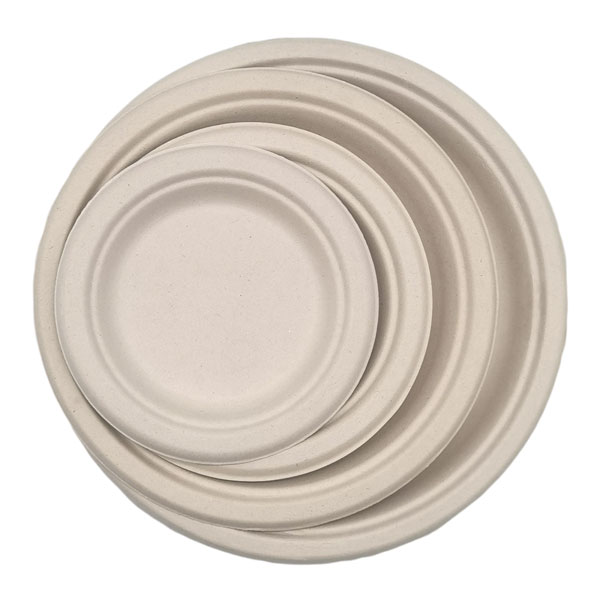
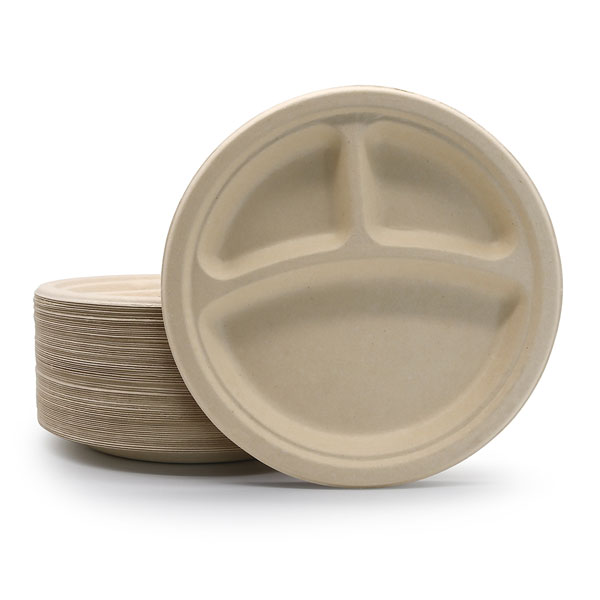
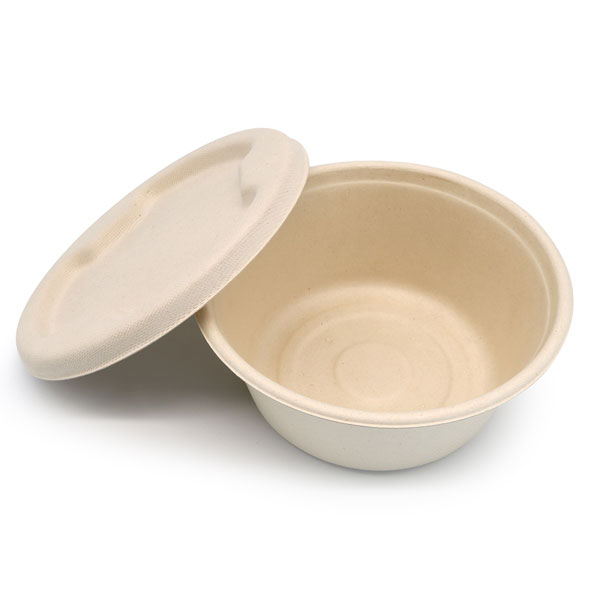
The search for an alternative led them to innovative, plant-based materials. After rigorous testing, they selected custom-made compostable plates derived from sugarcane pulp (bagasse). This was a strategic decision rooted in three key advantages:
1. Superior Performance & Brand Alignment: Unlike flimsier alternatives, sugarcane pulp plates offered remarkable heat resistance and sturdiness, crucial for a variety of hot and saucy foods. This allowed for a premium feel that matched their brand image, directly addressing the pain point of compromising on quality for sustainability.
2. Genuine End-of-Life Solution: The core of their plastic problem was waste. These compostable plates are certified for industrial composting, breaking down into nutrient-rich soil within months, not centuries. This provided a clear, responsible lifecycle that resonated with their sustainability goals.
3. A Powerful Story to Tell: The plates are made from bagasse, a by-product of sugar production. This "upcycling" narrative—turning agricultural waste into valuable products—became a cornerstone of their consumer communication.
The partnership went beyond simply buying off-the-shelf items. The food group worked with the manufacturer to develop custom compostable plates featuring:
- Embossed logos and subtle branding, reinforcing brand identity with every use.
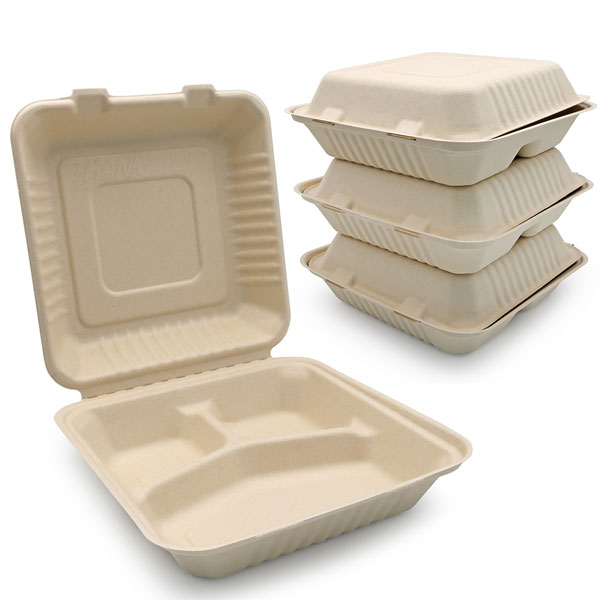
- Optimized sizes and compartmentalized designs for their specific meal combinations, reducing material use and improving functionality.
- A natural, beige aesthetic that visually communicated "natural" and "eco-friendly" to the consumer instantly.
The transition to sugarcane pulp packaging delivered transformative outcomes:
1. Environmental Target On Track: The shift directly contributed to a significant portion of their plastic reduction roadmap. The company is confidently on track to meet its 50% plastic reduction goal by 2025, with compostable plates being a flagship initiative in their annual sustainability report.
2. A 40% Surge in Consumer Trust: Market research and sentiment analysis following the public launch of the new packaging revealed a dramatic 40% increase in consumer trust metrics. Customers perceived the brand as more responsible, innovative, and caring for the local environment.
3. Enhanced Brand Value & Differentiation: In a competitive market, this move provided clear differentiation. It generated positive PR, strengthened B2B relationships with like-minded partners, and improved employee pride in the company’s mission.
This case study illustrates that sustainable packaging is no longer just a cost. It's a strategic investment. For businesses looking to make a similar impact:
- Performance is Non-Negotiable: The success hinged on the compostable plates matching the functional quality of plastic.
- Authenticity is Key: Choose certified, genuinely compostable materials with a verifiable story (like sugarcane pulp). Greenwashing risks severe backlash.
- Customization Amplifies Value: Tailored designs transform generic eco-packaging into a powerful brand asset and operational tool.
- The ROI is Multifaceted: The return includes regulatory compliance, risk mitigation, consumer loyalty, and brand equity, not just waste management costs.
Ready to transform your packaging from a waste problem into a trust-building asset? Explore how custom compostable plates can be engineered to meet your brand’s specific needs and help you achieve your sustainability targets, just as they did for this industry leader.