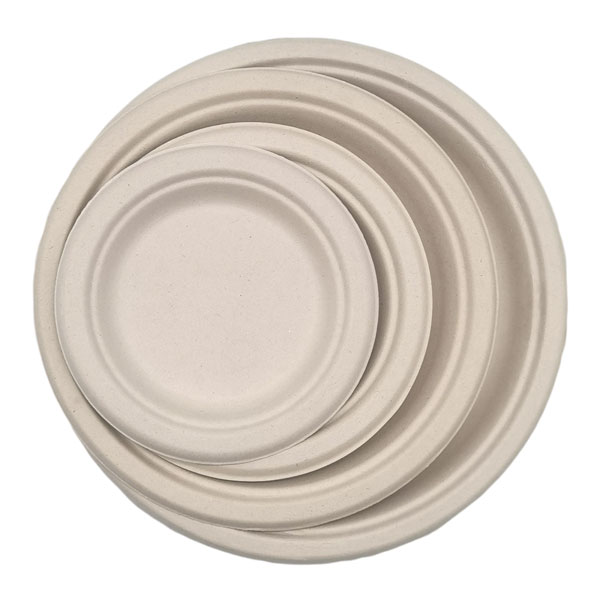
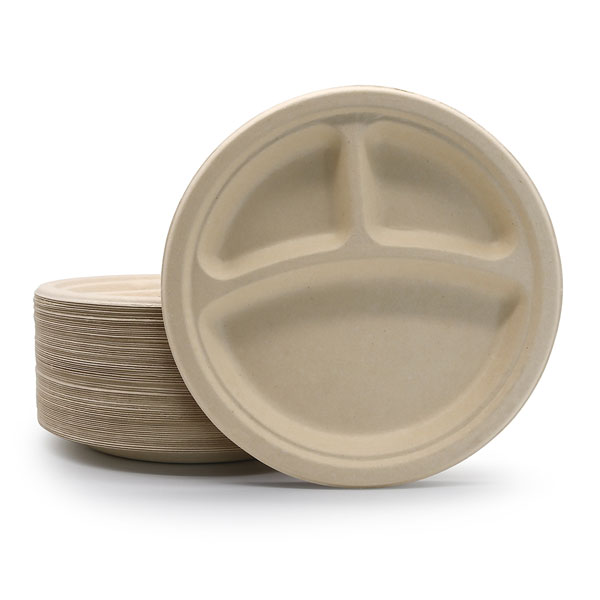
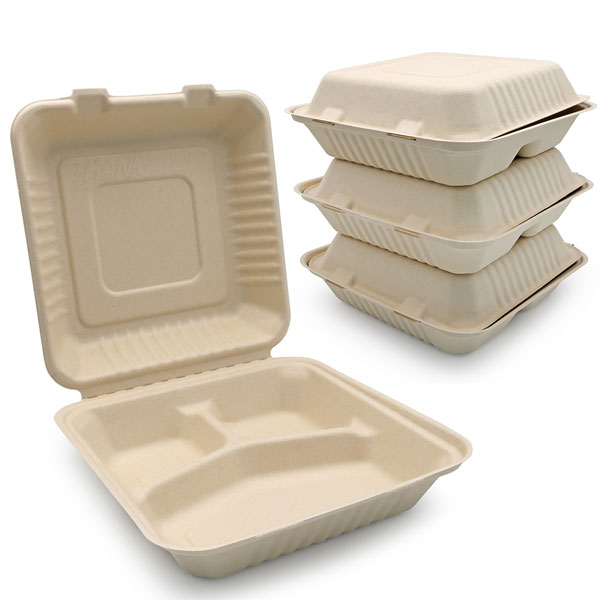
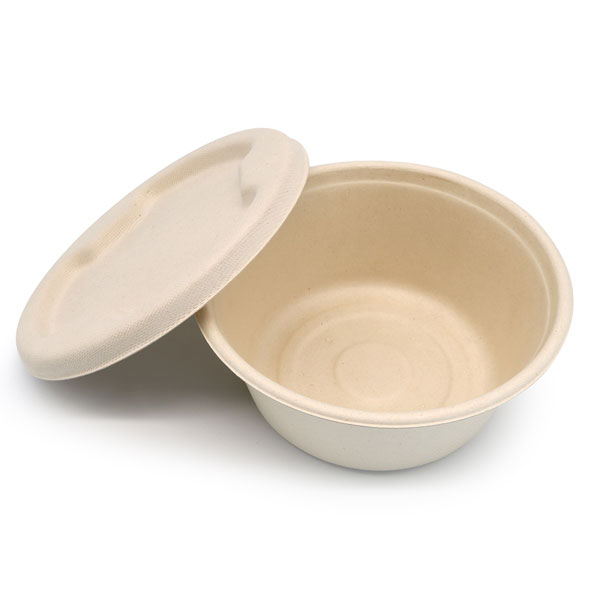
The 2024 food packaging landscape is witnessing a seismic shift. No longer a niche alternative, compostable packaging has decisively captured an estimated 30% of the sustainable packaging market, signaling its arrival as a dominant, commercially viable force. This isn't just a trend; it's a fundamental transformation driven by stringent regulations, conscious consumer demand, and a critical need for supply chain resilience. For B2B clients in hospitality, catering, and food service, understanding this shift is no longer optional—it's a strategic imperative for brand relevance and operational future-proofing.
What's fueling this rapid adoption? The move towards compostable plates and packaging is rooted in solving real business pain points. Firstly, extended producer responsibility (EPR) laws and plastic bans are making traditional packaging a compliance nightmare and a financial liability. Secondly, end-consumers are voting with their wallets, favoring brands with authentic environmental credentials. Lastly, businesses are seeking to de-risk their supply chains by adopting materials that support a circular economy, reducing dependency on volatile fossil-fuel-based plastics and mitigating waste disposal costs.
The adoption of certified compostable plates acts as a catalyst for broader green supply chain transformation. When you integrate these products, you're not just swapping an item; you're committing to a system. This necessitates partnerships with commercial composting facilities, educates your downstream clients on proper disposal, and closes the loop from production to post-use. This systemic approach turns a simple packaging choice into a powerful statement of corporate responsibility and operational innovation, creating a verifiable green narrative that resonates with partners and end-users alike.
A common hesitation in switching to compostable plates has been concerns over durability, heat resistance, and cost. The 2024 innovation wave has squarely addressed these. Advanced materials like PLA blends reinforced with natural fibers now offer robustness comparable to conventional options for most food service applications. Furthermore, economies of scale brought by 30% market penetration have significantly improved cost competitiveness. The real cost-benefit analysis now must include hidden savings: reduced waste management fees, enhanced brand equity, and compliance assurance.
For B2B buyers, the key is strategic sourcing. Look for suppliers who offer customization—branding your compostable plates amplifies your green commitment. Insist on third-party certifications (like BPI, TUV OK compost INDUSTRIAL) to ensure authenticity and avoid greenwashing. Engage with suppliers who can provide a clear roadmap for integration, including waste stream guidance for your clients. This transforms your procurement from a simple purchase into a value-added service for your own customers.
The statistic is clear: 30% market share is a milestone, not a ceiling. The transformation towards compostable packaging and a circular supply chain is accelerating. By adopting compostable plates today, you are not merely keeping pace; you are positioning your business as a leader in the green economy. You future-proof your operations against regulatory shocks, build deeper brand loyalty, and contribute tangibly to a sustainable future. The innovation is here, the market has validated it, and the time for strategic action is now.