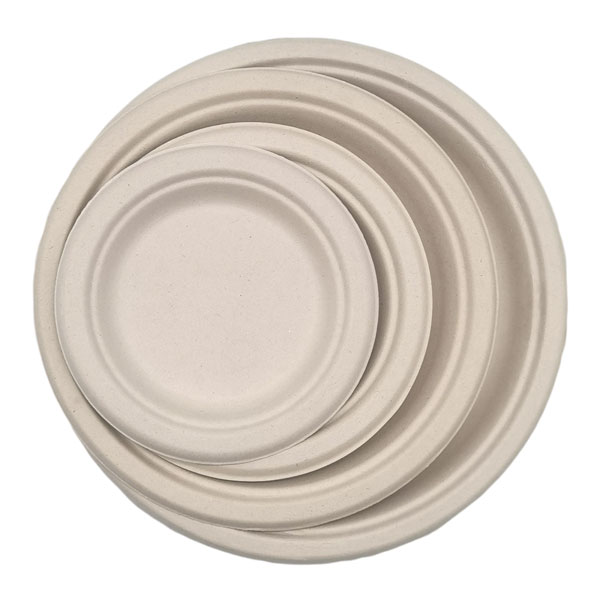
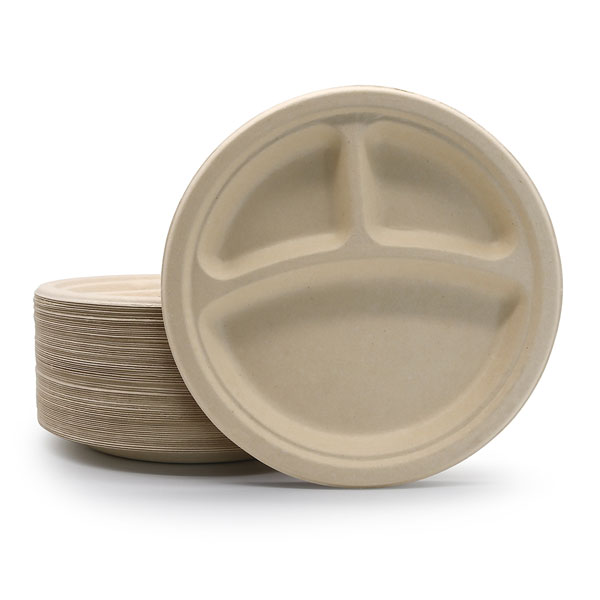
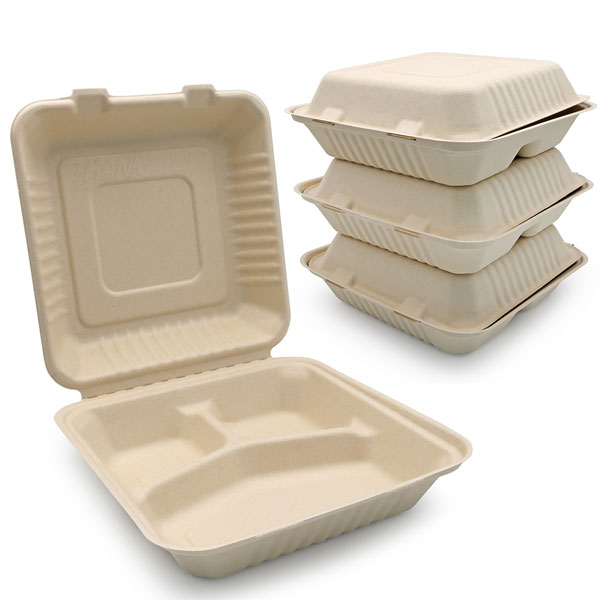
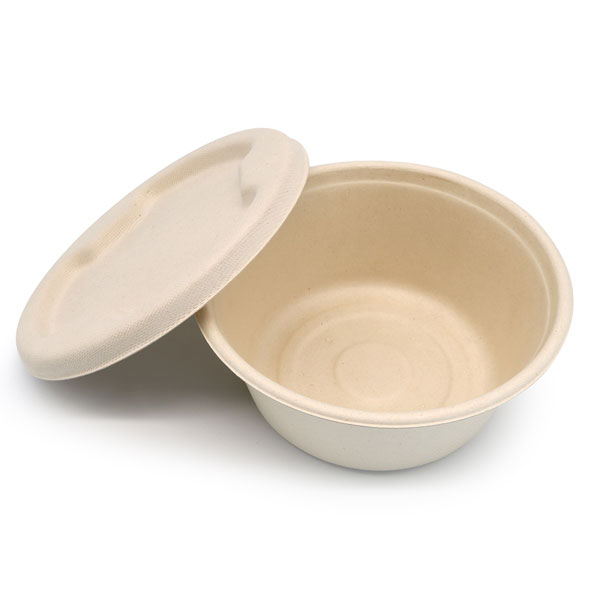
The prepared meal industry faces a unique dual challenge: creating packaging that survives the deep freeze and excels in the microwave, all while meeting soaring consumer demand for sustainability. Traditional plastics often fall short, becoming brittle when frozen or leaching chemicals when heated. Enter a revolutionary end-to-end solution: high-performance containers made from renewable sugarcane fiber.
Sugarcane fiber, or bagasse, is a byproduct of sugar extraction. When molded into compostable plates and containers, it creates a remarkably robust material. Its natural fibrous structure provides inherent strength and insulation, making it uniquely suited for the thermal shock of moving from a -18°C freezer directly to a microwave. Unlike some bioplastics that may warp or weaken, these containers maintain their integrity, ensuring your meal presentation and safety are flawless from production to consumption.
How do these containers perform across such a vast range? The secret lies in the material science. For freezing, the dense fiber matrix resists moisture absorption and prevents brittleness, so containers don't crack or splinter. For heating, they are perfectly microwave-safe, allowing for even warming without the risk of melting or releasing harmful toxins. This durability translates to reduced leakage, fewer customer complaints, and enhanced brand trust for your prepared meals.
For brands, this solution addresses critical logistics and marketing pain points. It streamlines inventory by using one container for both frozen storage and direct heating, cutting complexity and cost. For the eco-conscious end-user, it delivers peace of mind. They can enjoy the convenience of a ready-made meal knowing the compostable plates can be disposed of in a commercial composting facility, turning into nutrient-rich soil without leaving microplastic pollution.
Adopting sugarcane fiber containers is more than a material swap; it's a holistic packaging strategy. It future-proofs your brand against tightening plastic regulations and aligns with corporate sustainability goals. By offering an end-to-end solution that performs exceptionally under extreme temperatures and ends its life as compost, you provide a powerful, tangible story of environmental responsibility that resonates deeply with today's consumers.
In conclusion, as the prepared meal market grows, the demand for intelligent, durable, and truly sustainable packaging grows with it. Sugarcane fiber compostable plates and containers represent the pinnacle of this evolution, seamlessly bridging the gap between deep-freeze logistics, consumer convenience, and circular economy principles. It's the robust, earth-friendly foundation your next-generation meal solutions require.