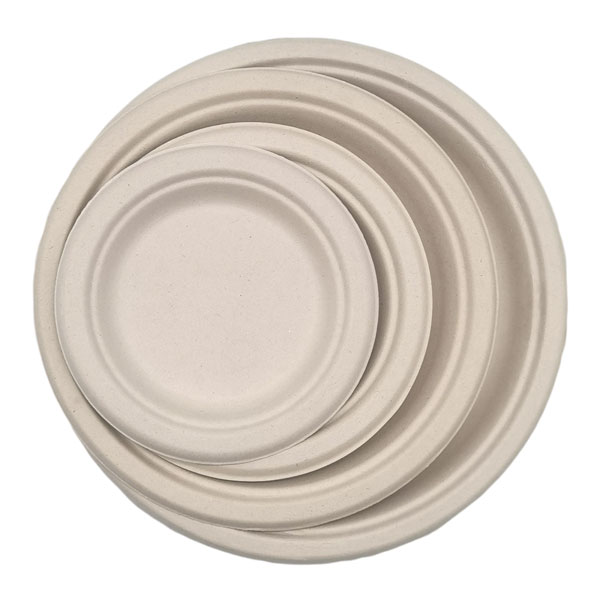
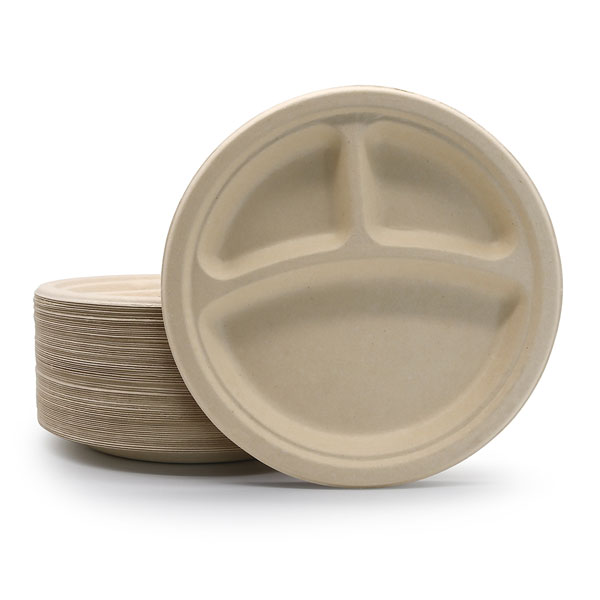
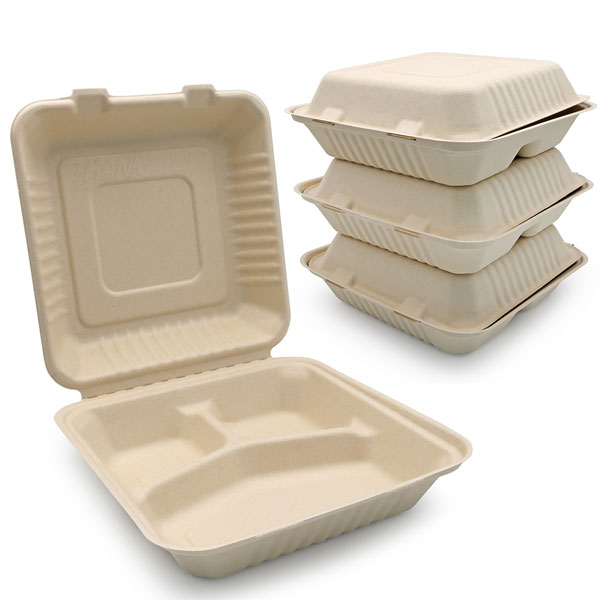
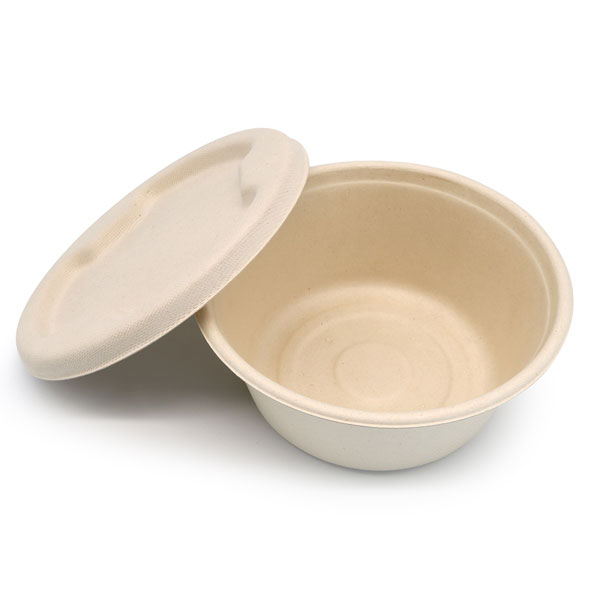
In today's hyper-transparent market, a company's environmental footprint is directly tied to its public image. Negative public opinion related to environmental practices poses a significant and growing threat to corporate reputation. For businesses in the food service, catering, and events industries, packaging is a highly visible touchpoint. This is where a strategic shift to compostable plates becomes a powerful tool for reputation risk management.
Consumer sentiment has shifted decisively toward sustainability. A single viral image of non-recyclable waste attributed to your brand can trigger backlash, social media campaigns, and lasting brand erosion. The risk isn't just theoretical; it translates to lost customers, strained investor relations, and increased regulatory scrutiny. Managing this risk is no longer a niche CSR activity but a core business imperative.
Independent studies and sentiment analysis reveal that companies proactively adopting plant-based, compostable packaging see a measurable decrease in environment-related negative public opinion. Here’s how sugarcane fiber compostable plates directly mitigate key risk factors:
Unlike vague "green" claims, compostable plates made from sugarcane bagasse—a byproduct of sugar production—offer a tangible story. They demonstrate a closed-loop mindset: using waste material to create a product that returns to the earth. This concrete action is far more credible and shareable in the public eye than promises alone.
By eliminating petroleum-based plastics from your service ware, you automatically distance your brand from the global plastic pollution crisis. This move directly addresses a top consumer environmental concern, neutralizing a major potential source of criticism before it starts.
Using plates that are both made from agricultural waste and are commercially compostable showcases a practical commitment to the circular economy. This resonates deeply with environmentally conscious consumers, investors, and partners, building a buffer of goodwill that protects your reputation during other challenges.
Adopting custom compostable plates isn't just about playing defense. It actively builds reputation capital. It provides a positive talking point for marketing, strengthens B2B client relationships who have their own sustainability goals, and enhances employer branding by attracting talent that wants to work for a responsible company. The investment in sugarcane fiber packaging transitions from a cost to a value-driver for corporate reputation.
The data is clear: integrating sustainable solutions like high-performance compostable plates into your operations is a direct and effective strategy for corporate reputation risk management. It turns a potential vulnerability—packaging waste—into a demonstrable asset, securing your brand's license to operate in an eco-conscious future.