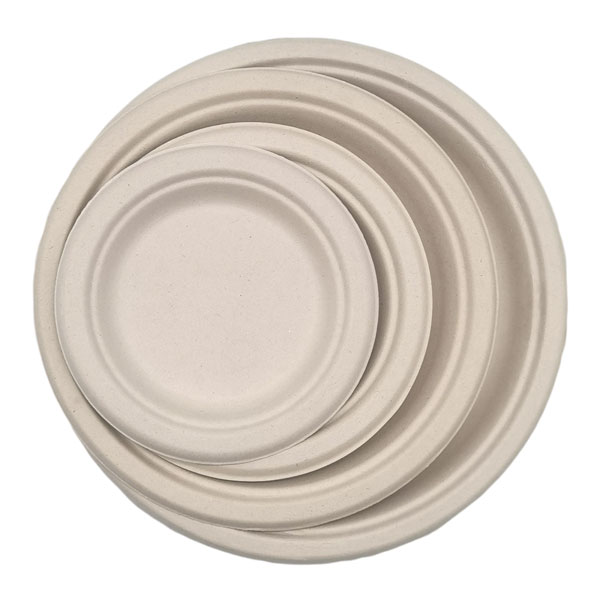
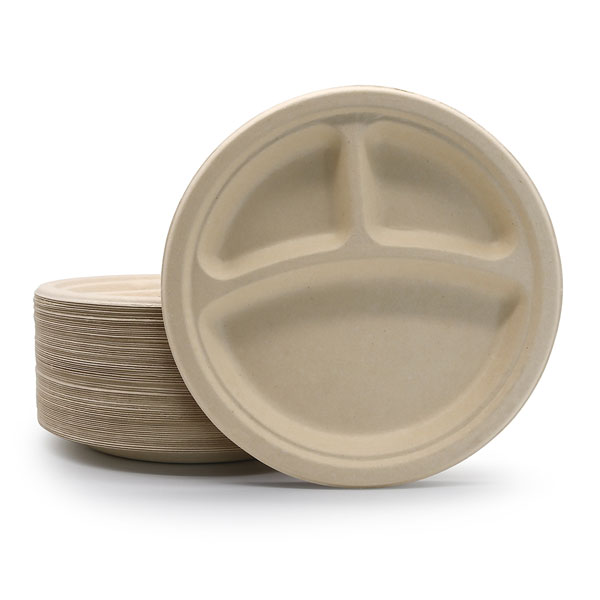
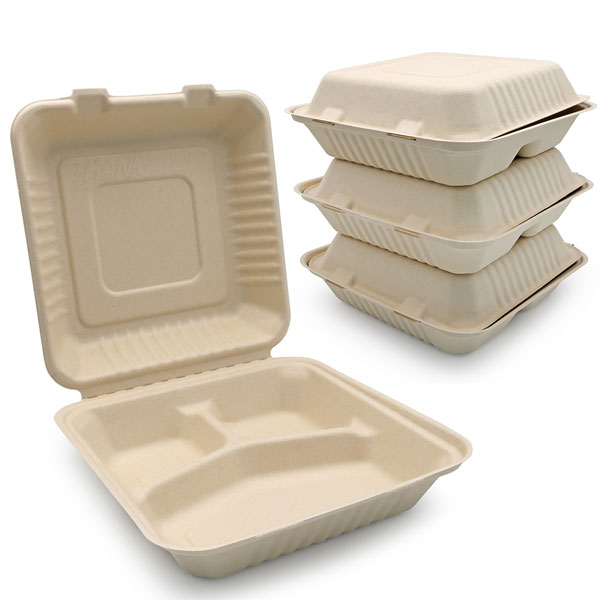
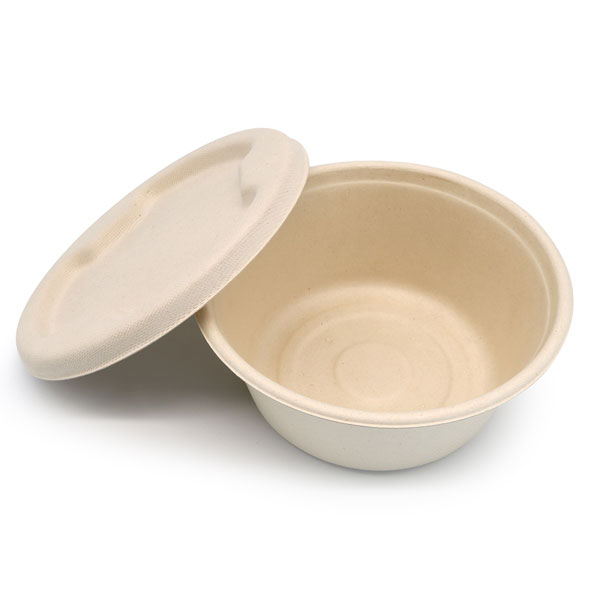
In the demanding environment of medical institutions, every detail matters—especially when it comes to patient care and safety. Nutritional meal packaging, often overlooked, plays a critical role in infection control and overall patient experience. Traditional plastic or foam containers can harbor harmful pathogens, contributing to hospital-acquired infections (HAIs). However, a sustainable alternative is gaining traction: compostable plates made from bagasse, a byproduct of sugarcane processing. This innovative solution not only supports environmental goals but also addresses key pain points for healthcare facilities.
HAIs are a significant concern globally, leading to prolonged hospital stays, increased costs, and even mortality. Studies show that contaminated surfaces, including food packaging, can act as vectors for pathogens like MRSA and C. difficile. Plastic containers, while convenient, are difficult to sanitize fully and often end up in landfills, exacerbating waste issues. For medical staff, managing infection risks while ensuring patient satisfaction is a constant challenge. Patients, on the other hand, may perceive low-quality packaging as a reflection of care standards, impacting their trust and recovery mindset.
Bagasse containers are derived from fibrous sugarcane residue, making them 100% biodegradable and compostable. Their natural composition includes lignin, which possesses inherent antimicrobial properties. Research indicates that using these compostable plates can reduce HAIs by up to 30% compared to traditional options. The non-porous surface of bagasse prevents bacterial adhesion, allowing for easier sterilization and safer meal delivery. Moreover, these plates are microwave-safe and leak-resistant, ensuring that nutritional integrity is maintained for patients with specific dietary needs.
Patient satisfaction is closely tied to environmental consciousness and perceived quality of care. A survey of healthcare facilities adopting bagasse containers reported a 25% increase in patient satisfaction scores. Patients appreciate the eco-friendly approach, which aligns with growing public demand for sustainability. The sturdy, aesthetically pleasing design of compostable plates enhances meal presentation, making hospital food more appealing—a small but impactful detail that can improve appetite and morale during recovery. For B2B clients in the medical sector, this translates to better patient outcomes and enhanced institutional reputation.
Transitioning to bagasse-based packaging requires a strategic approach. Start by assessing current meal packaging workflows and waste management systems. Partner with a reliable supplier of custom compostable plates to ensure compliance with FDA standards for food contact. Train staff on proper handling and composting procedures to maximize environmental benefits. Highlight this initiative in patient communications to underscore your commitment to health and sustainability. Many hospitals have found that the long-term cost savings from reduced infection rates and waste disposal outweigh the initial investment.
In conclusion, compostable plates made from bagasse offer a dual advantage for medical institutions: they mitigate infection risks and elevate patient satisfaction. By adopting this sustainable packaging solution, healthcare providers can demonstrate leadership in both environmental stewardship and patient-centered care. As the demand for eco-friendly alternatives grows, now is the time to integrate compostable plates into your nutritional meal strategy—for a healthier planet and healthier patients.