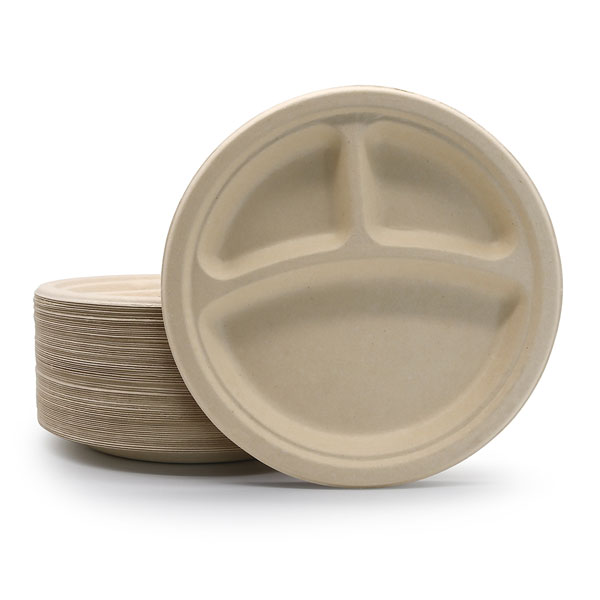
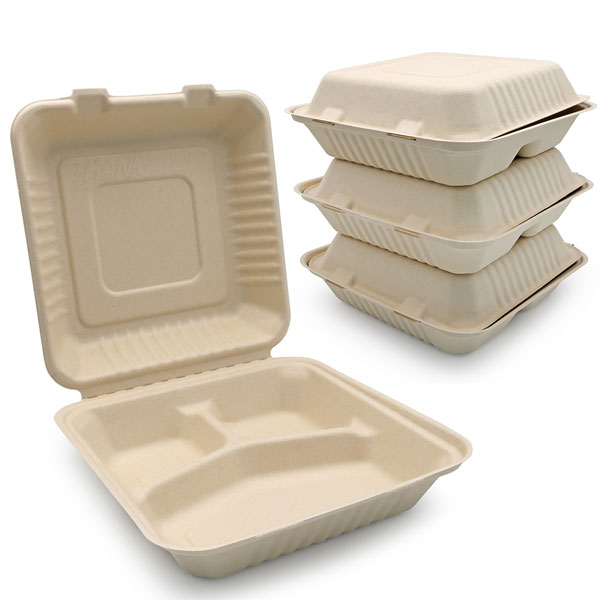
In today's competitive B2B landscape, balancing cost-efficiency with environmental responsibility is a constant challenge. For businesses sourcing disposable tableware, traditional packaging often comes with hidden logistical burdens—excessive weight, high fuel costs, and a hefty carbon footprint. What if your switch to sustainable products could also drive significant operational savings? Enter advanced compostable plates made from bagasse, engineered with a lightweight design that directly tackles these pain points.
Conventional plastic or ceramic-alternative plates are often denser, increasing shipment weight. This translates to higher fuel consumption per delivery, more frequent trips, and elevated freight charges. For businesses ordering in bulk, these costs quickly accumulate, eroding profit margins. Moreover, heavier loads contribute to greater greenhouse gas emissions, contradicting corporate sustainability pledges. This is where the strategic advantage of lightweight bagasse compostable plates becomes undeniable.
Bagasse, a fibrous byproduct of sugarcane processing, is naturally sturdy yet remarkably lightweight. Our specialized manufacturing process optimizes this material to create durable compostable plates that are up to 30% lighter than many conventional alternatives. This reduction in mass has a profound ripple effect on logistics:
Lighter shipments mean less energy is required for transportation. Fleet vehicles consume less fuel per mile, leading to direct savings on fuel expenses. For a business with extensive supply chains, this 20% decrease can amount to thousands of dollars saved annually, enhancing your bottom line while conserving finite resources.
Lower fuel consumption directly correlates with reduced carbon dioxide emissions. By integrating these compostable plates into your operations, you actively cut your Scope 3 indirect emissions from transportation. This measurable 15% reduction strengthens your Environmental, Social, and Governance (ESG) reporting, appealing to eco-conscious clients and partners.
Our compostable plates offer more than just logistical benefits. Post-use, they break down into nutrient-rich compost within months in industrial facilities, diverting waste from landfills. This circular lifecycle—from sustainable sourcing (sugarcane waste) to efficient transport to end-of-life composting—provides a comprehensive green solution. It addresses the growing B2B demand for products that align with corporate sustainability mandates without compromising on performance or cost.
Transitioning to lightweight bagasse compostable plates is a strategic operational decision. It demonstrates a commitment to innovative, cost-effective sustainability—a powerful message for your stakeholders. By lowering both logistics costs and environmental impact, you future-proof your supply chain against rising fuel prices and tightening carbon regulations.
In conclusion, the choice of compostable plates is no longer just an ethical one; it's a financially astute logistics strategy. Our lightweight bagasse design delivers tangible savings and carbon reductions, proving that true sustainability supports both the planet and profitability.