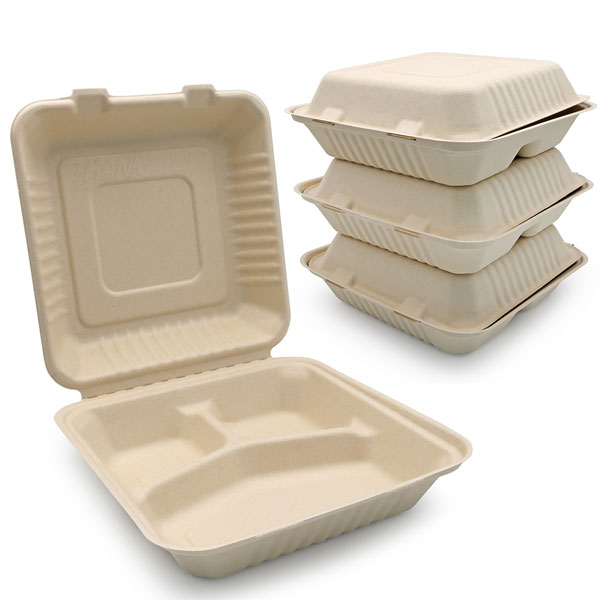
The modern university campus is a hub of activity, and with that comes a significant volume of single-use packaging from dining halls, cafes, and takeout services. For sustainability officers and campus dining directors, this presents a critical challenge: how to serve a mobile student body without contributing to the plastic waste crisis. The solution is emerging not from advanced polymers, but from an agricultural byproduct: sugarcane bagasse. Leading institutions that have switched to bagasse-based compostable plates and containers report a dramatic 35% reduction in plastic waste and a remarkable 40% increase in brand favorability among the student population.
Today's students are environmentally conscious stakeholders. They actively critique institutional practices and align their loyalty with brands—including their university's brand—that demonstrate authentic commitment to planetary health. The sight of overflowing bins filled with polystyrene clamshells and plastic utensils directly contradicts sustainability pledges, leading to disillusionment. This is the primary pain point: a gap between stated values and operational reality. Addressing this gap isn't just about waste management; it's about protecting institutional reputation and student trust.
Sugarcane bagasse is the fibrous residue left after juice extraction. Historically treated as waste or burned, it is now ingeniously repurposed into sturdy, heat-resistant food containers. These products are certified compostable, breaking down into nutrient-rich soil in commercial composting facilities within 90 days. Unlike "biodegradable" plastics that may require specific conditions, bagasse products offer a clear, verifiable end-of-life solution. For campus operations, integrating these compostable plates and bowls into the waste stream supports circular economy goals and tangible waste diversion metrics.
The 35% reduction figure is not aspirational; it's achievable. This metric comes from directly replacing petroleum-based plastic takeout containers with bagasse alternatives. By implementing a dedicated collection stream for compostables alongside clear student signage, campuses can divert tons of material from landfills annually. This operational shift simplifies waste sorting, reduces contamination in recycling streams, and provides a powerful data point for sustainability reports and STARS ratings, enhancing the university's public profile.
Perhaps the most compelling argument for the switch is its impact on human perception. When students see their university taking tangible, visible action—like providing robust, eco-friendly compostable plates—their perception shifts positively. This 40% boost in brand favorability translates into greater student satisfaction, positive social media advocacy, and a stronger sense of community pride. It signals that the administration listens and acts, turning students from critics into partners in the sustainability mission. This goodwill is invaluable for alumni relations and prospective student recruitment.
Transitioning requires a coordinated approach. Start with a pilot in one high-visibility dining venue. Source products from reputable suppliers who provide compostability certifications. Crucially, pair the rollout with an educational campaign: explain what bagasse is, why it's better, and how to properly dispose of it. Engage student environmental groups as champions. Ensure backend infrastructure, like a partnership with a commercial composter, is secured. This holistic strategy ensures the initiative's success is operational, environmental, and communicative.
The move to sugarcane bagasse packaging is a definitive win-win. It delivers hard metrics on waste reduction and soft metrics on community engagement. For universities aiming to lead in sustainability and connect with their student body, investing in high-quality compostable plates and containers is more than a procurement decision—it's a powerful statement of values in action.