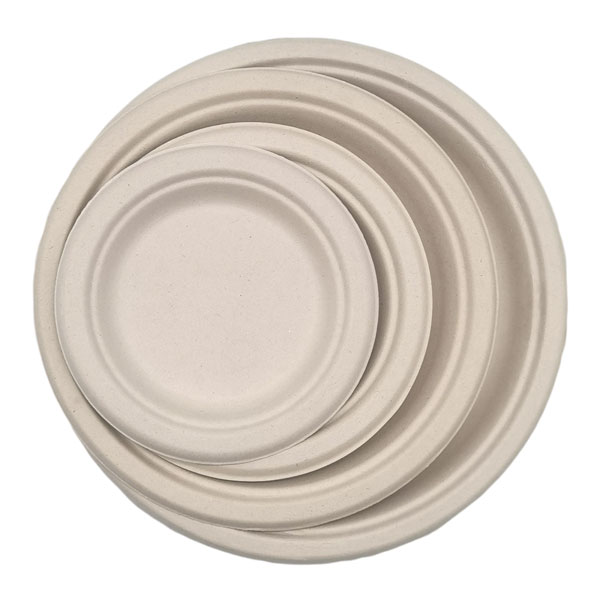
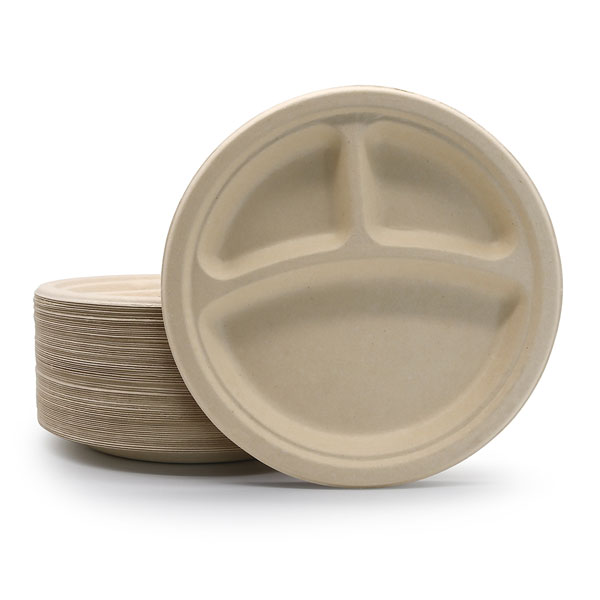
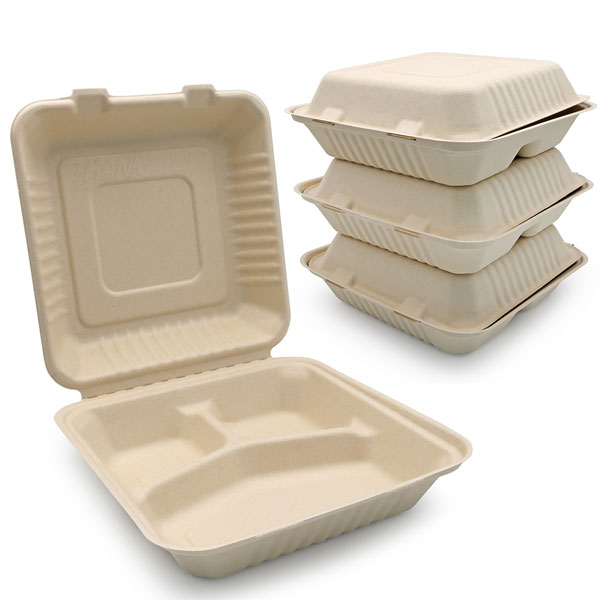
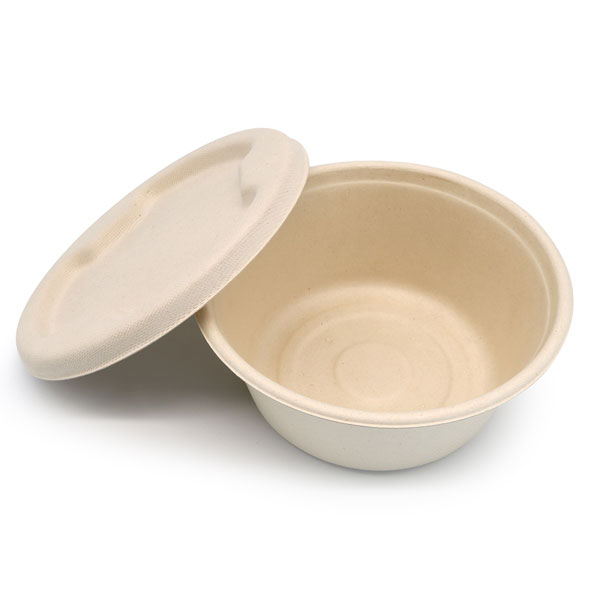
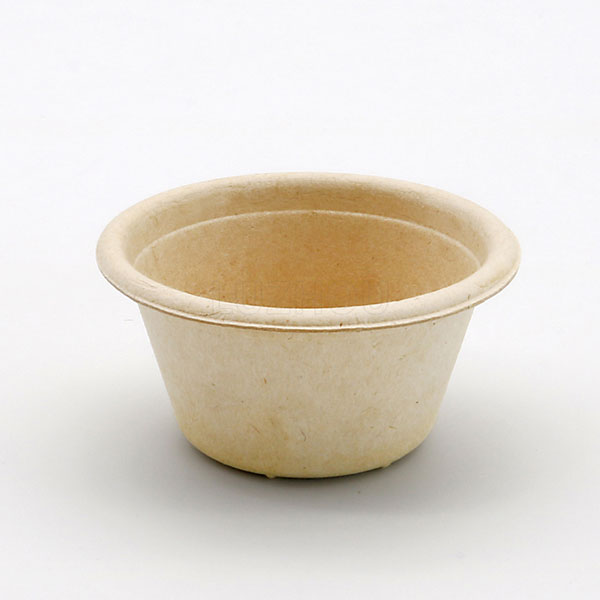
In today's competitive market, businesses are increasingly pressured to adopt sustainable practices. For companies using disposable tableware, the shift to eco-friendly packaging isn't just an environmental choice—it's a strategic financial move. By leveraging government green subsidies, you can significantly offset costs while boosting your brand's green credentials. This article explores how sugarcane bagasse packaging, particularly compostable plates, serves as a key to unlocking these benefits, helping you apply for subsidies of up to 800,000 RMB and reduce net packaging procurement costs by 20%.
Governments worldwide are incentivizing businesses to reduce plastic waste and carbon footprints. In many regions, including parts of Asia and Europe, subsidies or tax breaks are available for companies that adopt biodegradable or compostable materials. These incentives often cover a percentage of procurement costs, R&D investments, or certification fees. For B2B clients in the food service, hospitality, or event industries, switching to compostable plates made from sugarcane bagasse can qualify you for such programs, directly impacting your bottom line.
Beyond subsidies, sugarcane bagasse packaging offers inherent cost savings. As a byproduct of sugar production, it's a renewable resource that's often more affordable than traditional plastics or paper-based alternatives when considering long-term waste management fees. By reducing dependency on non-recyclable materials, companies can lower disposal costs and avoid potential levies on plastic use. When combined with subsidy reimbursements, this can lead to a net reduction in packaging procurement costs of up to 20%, making compostable plates a smart investment for forward-thinking businesses.
To tap into these benefits, start by researching local or national green incentive programs—focus on those targeting waste reduction or sustainable procurement. Next, ensure your compostable plates are certified by recognized bodies (e.g., BPI, OK Compost) to meet subsidy criteria. Document your switch from conventional to bagasse-based packaging, highlighting environmental impacts like reduced carbon emissions and waste. Partner with a supplier who can provide compliance documentation and support your application. Many companies miss out due to incomplete paperwork, so meticulous record-keeping is essential to secure up to 800,000 RMB in funding.
Consider a catering company that switched to sugarcane bagasse compostable plates and applied for a regional eco-subsidy. By demonstrating a 30% reduction in plastic use, they received a 500,000 RMB grant, which covered 40% of their annual packaging expenses. This not only lowered net costs but also attracted eco-conscious clients, boosting revenue. Such stories underscore how aligning with green initiatives can drive both profit and planet-positive outcomes.
In conclusion, integrating sugarcane bagasse compostable plates into your operations is more than an eco-friendly gesture—it's a financially astute strategy. By capitalizing on government subsidies and realizing cost efficiencies, your company can achieve substantial savings while contributing to a circular economy. Start your green transition today and position your business as a leader in sustainable innovation.