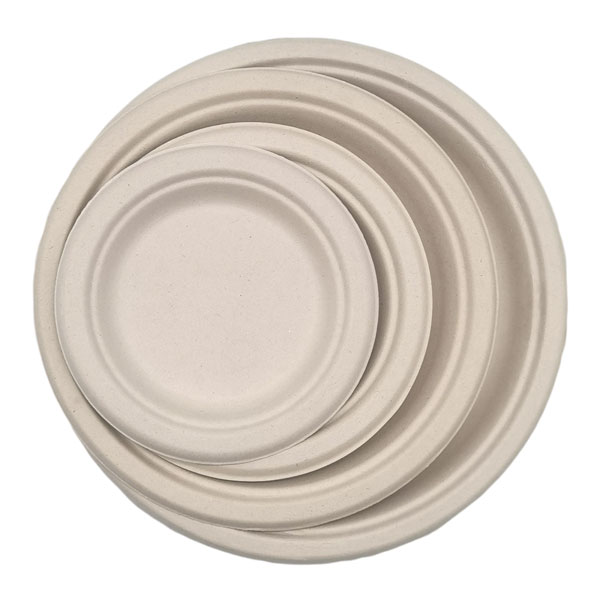
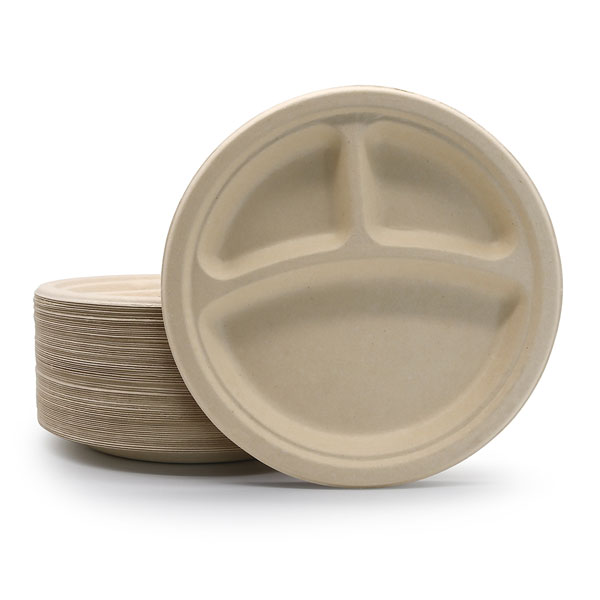
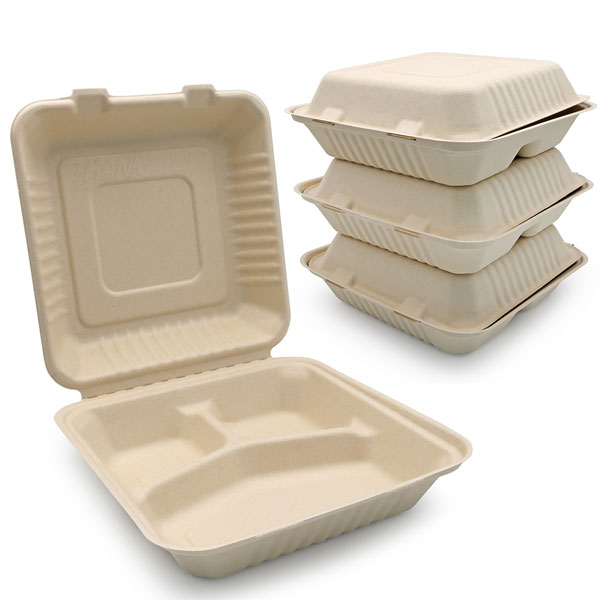
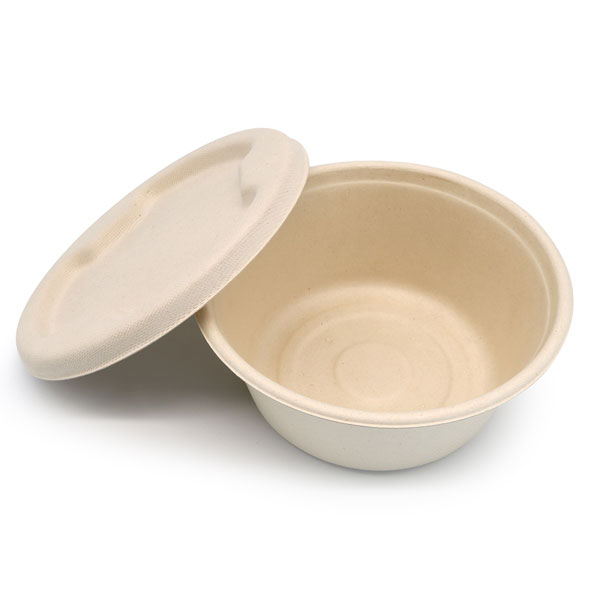
In the competitive world of food delivery, sustainability is no longer just a trend—it's a business imperative. One international pizza chain in China recently made headlines with a packaging overhaul that replaced traditional plastic containers with innovative sugarcane bagasse boxes. This move, centered around compostable plates, resulted in a staggering 50% reduction in plastic usage and a 25% increase in click-through rates for eco-labels on major delivery platforms. Here's how they did it and why it matters for your business.
China's food delivery market generates millions of tons of plastic waste annually, with single-use containers contributing significantly to pollution. For B2B clients in the packaging industry, this presents both a challenge and an opportunity. The pizza chain identified a key pain point: environmentally conscious consumers were increasingly favoring brands with clear sustainability credentials, yet existing packaging options were either non-recyclable or lacked appeal. By switching to compostable plates made from sugarcane bagasse—a byproduct of sugar production—they addressed waste concerns while tapping into consumer demand for greener choices.
Sugarcane bagasse is a fibrous material left after juice extraction. When molded into food containers, it offers durability, heat resistance, and most importantly, full compostability. Unlike plastic, which can take centuries to decompose, these compostable plates break down within months in industrial composting facilities, leaving no toxic residues. For the pizza chain, this meant aligning with global sustainability goals while meeting China's growing regulations on single-use plastics. The boxes were custom-designed to maintain pizza freshness and integrity, ensuring no compromise on customer experience.
The chain's transition involved a phased rollout across high-demand cities like Shanghai and Beijing. They partnered with a B2B supplier specializing in compostable plates to ensure consistent quality and supply. Key steps included:
On apps like Meituan and Ele.me, the chain prominently featured an "Eco-Friendly Packaging" label alongside their sugarcane bagasse boxes. By educating consumers through in-app descriptions about how compostable plates reduce landfill waste, they turned packaging into a marketing asset. Data showed a 25% higher click-through rate on this label compared to standard menu items, indicating strong consumer interest. This not only enhanced brand loyalty but also drove higher order volumes from sustainability-minded demographics.
This case study underscores the power of compostable plates in driving both environmental and business outcomes. For B2B clients, the lessons are clear:
Ready to transform your packaging with compostable plates? Explore our tailored solutions for B2B clients and join the movement toward a greener, more profitable future.