For B2B buyers in the foodservice and packaging industries, the Asia-Pacific region presents both a massive opportunity and a complex regulatory maze. As 2024 unfolds, policies governing eco-friendly packaging, particularly for food contact materials, are diverging across major markets like China, Japan, and South Korea. This fragmentation can skyrocket compliance costs and complicate supply chains. However, a singular, innovative solution is rising to the challenge: advanced sugarcane bagasse compostable plates. This article reveals how a single-formula product can seamlessly meet the stringent standards across all three nations, potentially reducing your regulatory overhead by 30% or more.
Understanding the divergence is key to appreciating the solution. China's focus is intensifying under its "Double Carbon" goals, with GB standards mandating specific biodegradability and eco-labeling. Japan enforces the Food Sanitation Act and JIS standards, emphasizing safety and precise material composition. South Korea operates under the Food Code and the Act on the Promotion of Saving and Recycling of Resources, requiring rigorous testing for heavy metals and decomposition in certified facilities. Navigating these separately traditionally meant multiple product lines, extensive testing, and duplicated paperwork—a significant cost center.
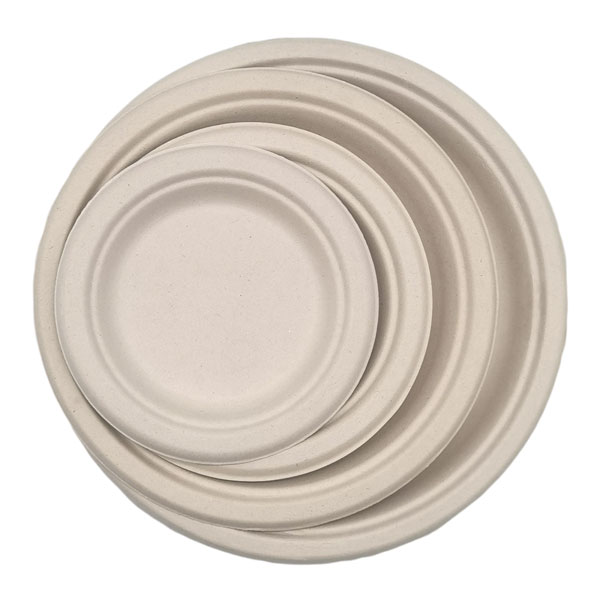
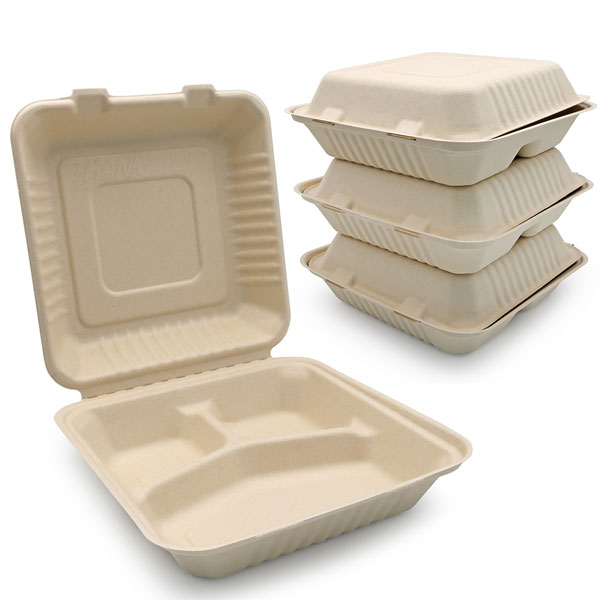
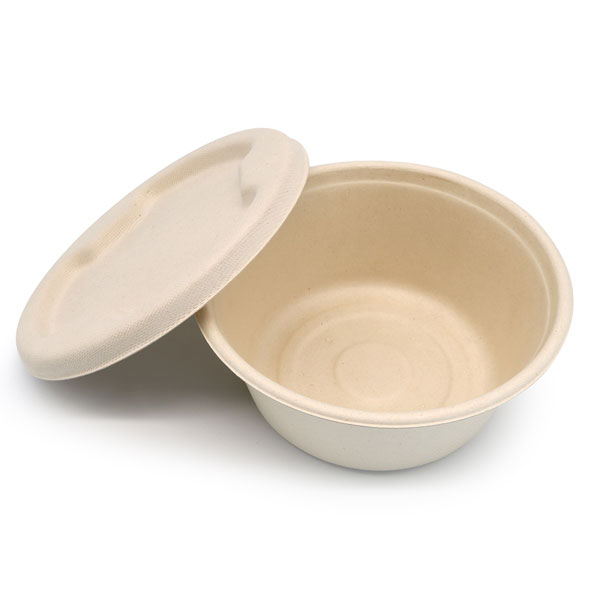
Sugarcane bagasse, the fibrous byproduct of sugar extraction, is the hero material. When processed with a proprietary, high-purity formula, it yields compostable plates with inherent qualities that align with all three regulatory frameworks:
Our advanced manufacturing ensures zero plastic coatings or PFAS. The plates are naturally free from heavy metals and toxins, directly satisfying the core safety requirements of China's GB, Japan's FSA, and Korea's Food Code for food contact materials.
The single formula is engineered to biodegrade completely in both industrial composting facilities (key for Japan and Korea's certification) and in home composting environments (increasingly valued in China). This dual compliance eliminates the need for region-specific formulations.
From hot, greasy street food in China to refined bento presentations in Japan and delivery-centric meals in Korea, the plates offer superior heat resistance, oil resistance, and sturdiness. One product performs universally, simplifying inventory and procurement.
How does this translate into direct savings? Consolidation is the answer. Instead of three separate product development cycles, you undertake one. You submit for certification once with a comprehensive data package designed to satisfy all three authorities. Your supply chain simplifies from managing multiple SKUs to one, reducing logistics, storage, and administrative complexity. This holistic approach can realistically cut compliance-related expenses—including testing, certification, and logistics overhead—by an estimated 30% or more, boosting your bottom line while future-proofing your supply.
Adopting a unified, high-performance bagasse solution is more than cost-saving; it's a strategic move. It demonstrates to your clients and partners a deep commitment to sustainability and operational excellence. It builds resilience against future regulatory shifts in the APAC region. You position your brand as a leader who navigates complexity with elegant, efficient solutions.
In the face of policy divergence, the path forward is convergence. By partnering with a supplier specializing in a single-formula, high-compliance sugarcane bagasse product, you turn a regulatory challenge into a competitive advantage. Embrace the simplicity and performance of truly universal compostable plates, and transform your APAC market strategy for 2024.