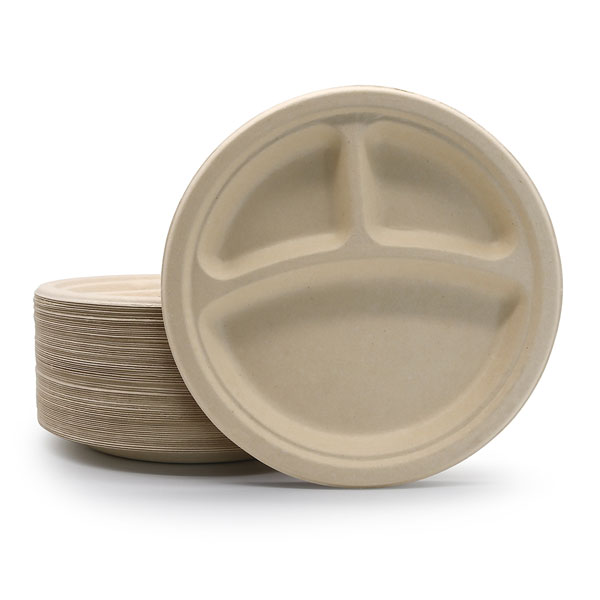
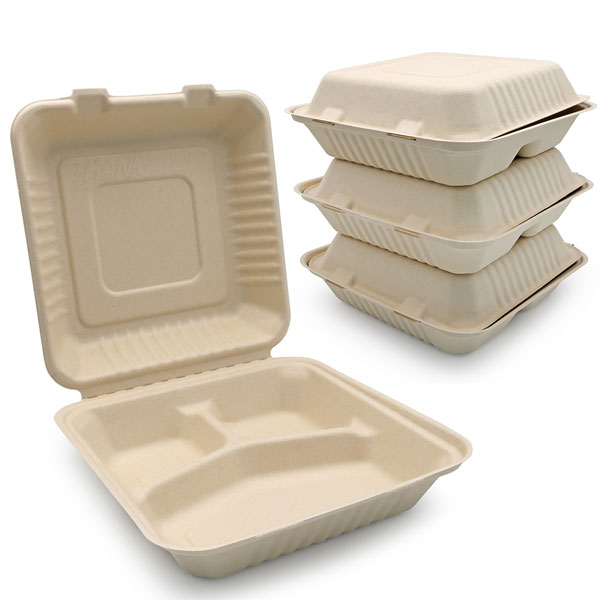
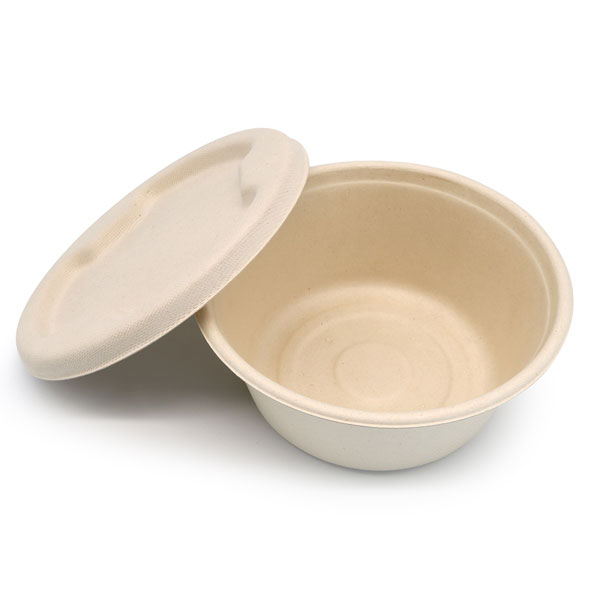
For vegan fast-food chains, serving delicious, high-moisture dishes like grain bowls, saucy curries, or fresh salads presents a unique packaging challenge. Traditional containers often fail, becoming soggy and unappealing within minutes, leading to waste and dissatisfied customers. However, a sustainable revolution is here. By switching to durable compostable plates crafted from bagasse—a fibrous byproduct of sugarcane—forward-thinking chains are reporting a dramatic 40% reduction in packaging softening rates and a 25% increase in customer satisfaction. This isn't just a packaging upgrade; it's a complete operational and brand enhancement.
Vegan cuisine often relies on fresh vegetables, legumes, and flavorful sauces, which naturally contain high moisture levels. When placed in standard plastic or low-grade paper containers, this moisture quickly migrates, weakening the structure. The result? Leaks, collapses, and a disappointing customer experience. This directly impacts brand perception, online reviews, and repeat business. The search for a container that can withstand this environment while aligning with eco-conscious values has been intense.
Bagasse-based compostable plates offer a superior solution. Bagasse fibers are naturally dense and interlock to create a rigid, porous structure. This design provides exceptional oil and water resistance for extended periods. Unlike some plain paperboard that soaks through instantly, bagasse containers effectively manage moisture vapor, significantly slowing the softening process. This inherent strength means your Buddha bowl or vegan burrito stays securely contained, looking appetizing from kitchen to customer.
The transition to bagasse containers delivers measurable outcomes. The 40% reduction in softening rate translates directly to fewer in-transit failures, reduced waste, and lower replacement costs. For customers, the benefit is a premium dining experience. A container that holds its form ensures the meal's integrity, enhancing taste and presentation. This tangible improvement drives the documented 25% boost in satisfaction scores, as customers appreciate both the functional performance and the clear environmental commitment.
Choosing these robust compostable plates completes a powerful sustainability story. After use, they can be commercially composted, turning into nutrient-rich soil within months—a stark contrast to plastic that pollutes for centuries. For a vegan brand, this circular lifecycle resonates deeply with a core audience that prioritizes ethical consumption. It’s a visible testament to the chain's commitment to protecting the planet, from ingredient sourcing to disposal.
Ready to make the switch? Start by partnering with a supplier specializing in custom, food-grade bagasse containers. Ensure they are certified compostable (e.g., BPI, OK Compost). Test samples with your highest-moisture menu items. Train your staff on the benefits to communicate them effectively to customers. Finally, market this change through your channels—highlight the improved experience and your dedication to reducing environmental impact. This transparent communication turns a operational decision into a powerful marketing asset.
In conclusion, for vegan fast-food chains, upgrading to high-performance bagasse compostable plates is a strategic move that addresses a critical operational headache while delivering profound customer and environmental benefits. It proves that the most sustainable choice can also be the most functional and profitable, turning everyday packaging into a cornerstone of brand loyalty and ecological stewardship.