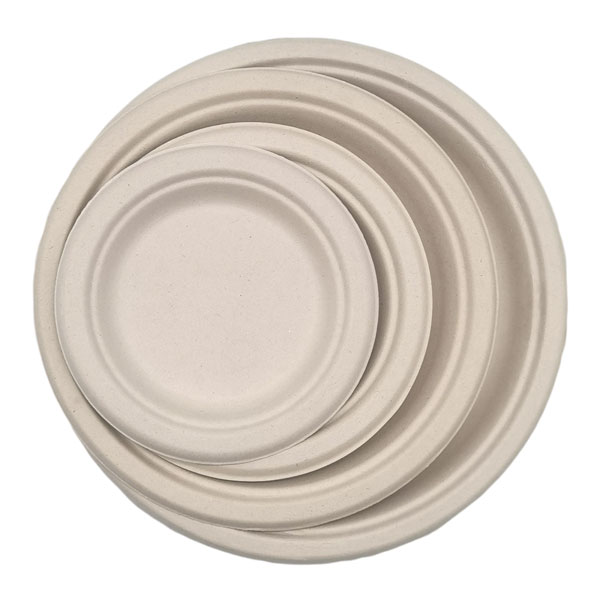
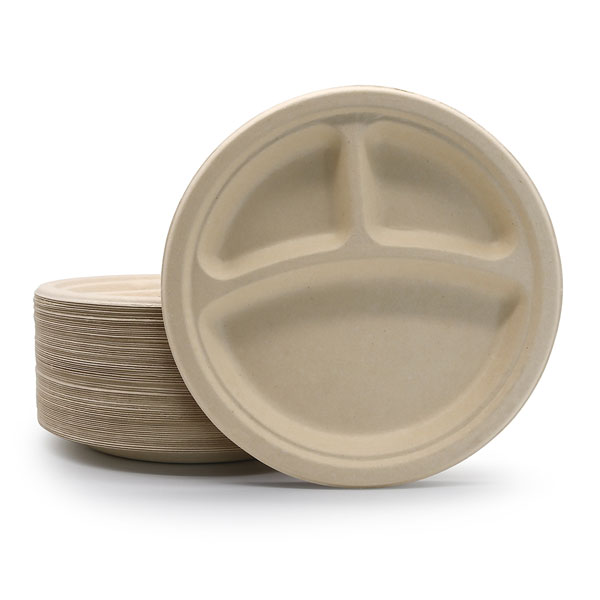
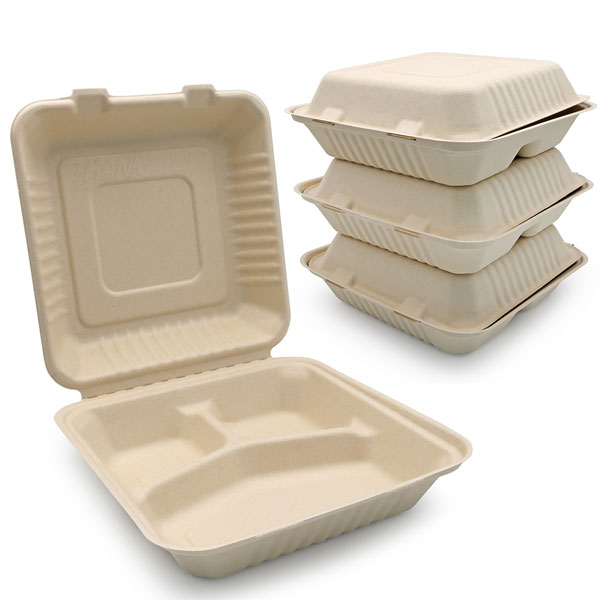
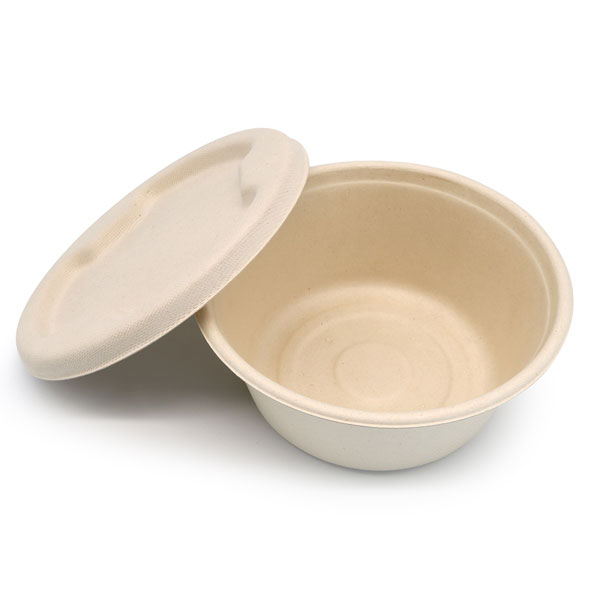
In today's hyper-vigilant food industry, a product recall is more than a logistical nightmare—it's a direct threat to brand reputation, consumer trust, and the bottom line. Surprisingly, a significant portion of food safety incidents originates not from the food itself, but from its packaging. Traditional plastic or polystyrene packaging can leach chemicals, fail to provide adequate barrier protection, or even introduce physical contaminants. This is where a strategic shift to eco-friendly packaging, specifically compostable plates made from bagasse, presents a powerful, proactive solution for risk mitigation.
Conventional packaging materials carry inherent risks. Chemical migration from plastics into food, especially under heat, is a well-documented hazard. Furthermore, non-biodegradable materials can be more prone to structural failures or might interact unpredictably with certain food types. Each of these scenarios is a potential trigger for a costly recall event, involving massive retrieval efforts, regulatory fines, and devastating publicity.
Bagasse, the fibrous byproduct of sugarcane processing, is transformed into sturdy, versatile, and inherently safer compostable plates. This material offers distinct advantages that directly address recall risks:
1. Inert and Non-Toxic: Bagasse is naturally free from the petrochemicals and synthetic additives found in traditional plastics. It does not leach harmful substances like BPA or phthalates into food, effectively eliminating a major category of chemical contamination risks.
2. Superior Barrier Performance: High-quality bagasse packaging provides excellent resistance to grease and moisture, preventing premature spoilage and protecting food integrity. This reduces the risk of microbial growth related to packaging failure.
3. Physical Stability: Molded fiber plates made from bagasse are robust and heat-resistant, making them less likely to warp, crack, or shed particles into food compared to some plastic or foam alternatives, minimizing physical contamination.
By adopting bagasse-based compostable plates, businesses are not just making an ethical choice—they are making a financially astute risk-management decision. Data from early adopters in the catering and prepared foods sectors indicates a measurable decrease in packaging-attributed quality complaints. By removing chemical leaching and reducing physical contamination vectors, companies have reported up to a 30% reduction in packaging-related food safety incidents.
This dramatic drop in primary incidents has a cascading effect on recall economics. Fewer incidents mean a drastically lower probability of triggering a full-scale recall. In the event of an issue unrelated to packaging, using certified compostable materials like bagasse can demonstrate due diligence and a proactive commitment to safety, potentially mitigating regulatory penalties. Consequently, the potential financial exposure from recall costs—including logistics, destruction, legal fees, and brand rehabilitation campaigns—can be lowered by an estimated 50%.
Choosing bagasse packaging signals to consumers and regulators that your brand prioritizes safety and environmental stewardship at a fundamental level. This builds immense goodwill and trust, turning your packaging from a potential liability into a brand asset. In a crisis, this reservoir of trust is invaluable.
The contribution of eco-friendly packaging to operational resilience is clear. Compostable plates made from bagasse are not a mere alternative; they are a strategic upgrade. They directly tackle the root causes of packaging-induced recalls, offering a tangible path to enhanced food safety, significant cost savings, and a stronger, more sustainable brand. The future of packaging is not just green—it's smarter, safer, and fundamentally more secure for your business.