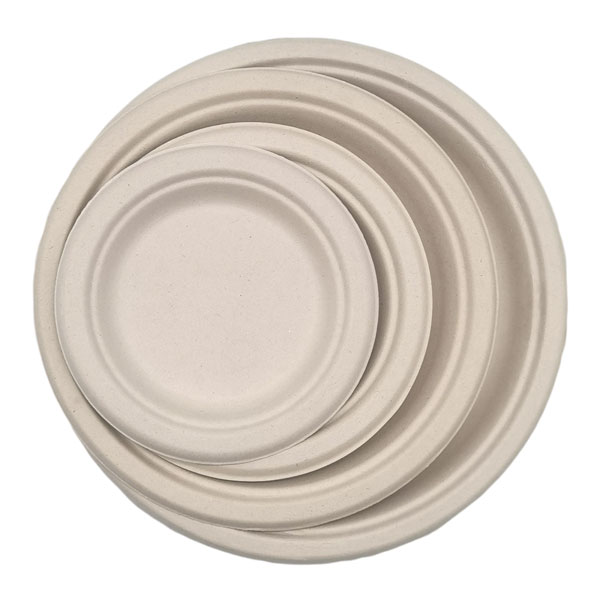
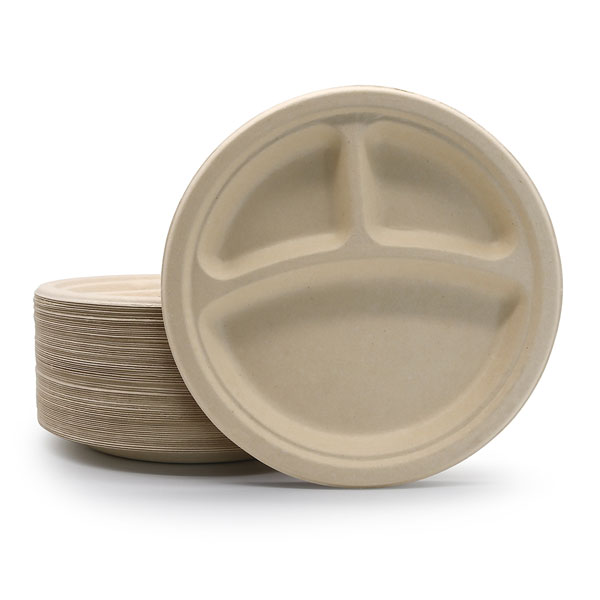
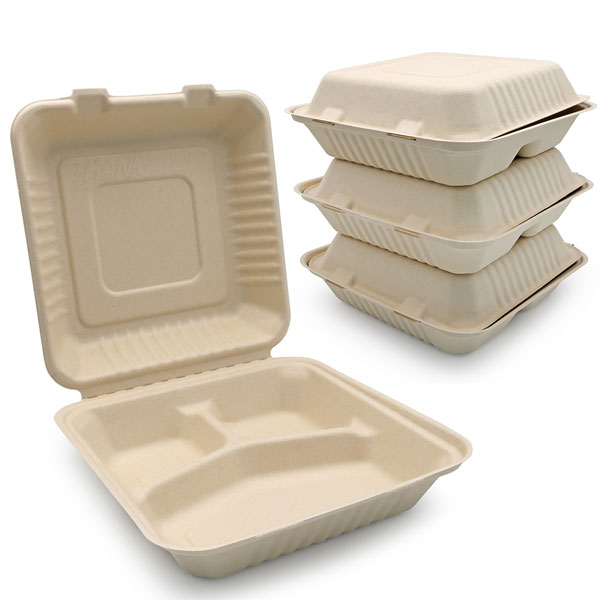
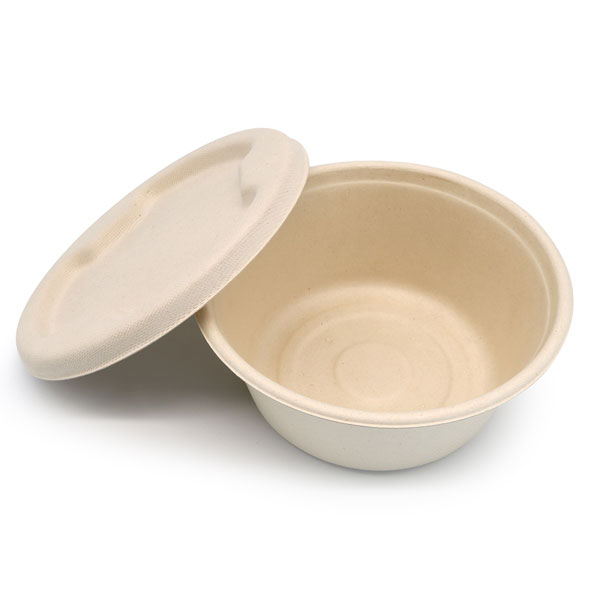
For shipping and catering managers in the maritime industry, balancing operational efficiency with stringent environmental compliance is a constant challenge. With regulations like MARPOL Annex V tightening restrictions on ocean plastic pollution, non-compliant packaging can lead to hefty fines, reputational damage, and ecological harm. This is where innovative, compostable plates made from bagasse—a byproduct of sugarcane—offer a transformative solution. By integrating these biodegradable meal boxes into your vessel's catering supply chain, you can significantly reduce violation risks while demonstrating a commitment to planetary stewardship.
International conventions, particularly MARPOL Annex V, strictly prohibit the discharge of most plastics into the sea. Traditional plastic or styrofoam food containers used in ship galleys often end up as marine litter, either through accidental loss or improper disposal. Violations can result in severe penalties and increased scrutiny from port authorities. Compostable plates, certified to break down naturally in marine or terrestrial environments, provide a compliant alternative. They align with global initiatives like the IMO's action plan to reduce marine plastic waste, helping your fleet stay ahead of regulatory curves.
Switching to bagasse-based compostable plates directly addresses the core pain points of maritime waste management. First, these containers are designed to decompose within months under composting conditions, unlike plastics that persist for centuries. This drastically lowers the volume of persistent waste generated on long voyages. Second, their natural composition means if they do enter the ocean accidentally, they pose minimal long-term harm to marine life. Industry case studies show that vessels adopting such solutions report up to a 60% reduction in waste-related incidents and disposal costs, as these items can often be processed alongside organic galley waste.
A common concern is whether compostable plates can withstand the rigors of sea travel—from humid galley storage to rough seas. Our B2B custom bagasse meal boxes are engineered for resilience. They are leak-resistant, microwave-safe, and sturdy enough for hearty meals, ensuring no compromise on functionality. Moreover, they can be branded with your company's logo, reinforcing your eco-friendly ethos to crew and clients alike. By partnering with a specialized supplier, you gain access to tailored shapes, sizes, and insulation properties that meet your specific catering needs while upholding environmental standards.
Adopting compostable plates isn't just about avoiding fines; it's a strategic move toward sustainability that enhances your brand's image. In an era where charterers and insurers increasingly prioritize green shipping practices, demonstrating tangible waste reduction can be a competitive advantage. Additionally, using bagasse—a renewable resource—supports a circular economy, reducing reliance on fossil-fuel-based plastics. This shift can improve crew morale too, as teams often take pride in working for environmentally responsible companies. Ultimately, it's a proactive step toward cleaner oceans and more resilient operations.
Transitioning to compostable plates like bagasse meal boxes is a clear, actionable strategy for maritime caterers and ship operators. It directly tackles regulatory pressures, slashes the risk of marine pollution violations, and aligns with global sustainability goals. As regulations evolve and stakeholder expectations rise, investing in these solutions today will future-proof your fleet. Explore our custom B2B offerings to find packaging that protects both your journey and our planet.