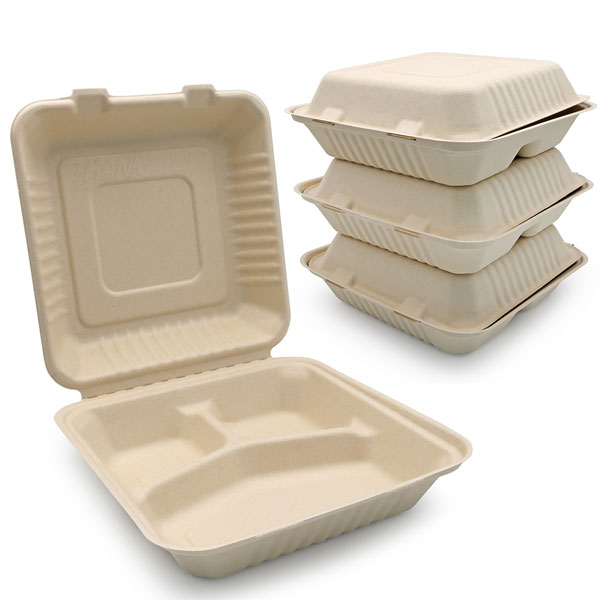
In today's environmentally conscious marketplace, corporate sustainability is no longer just a buzzword—it's a critical component of brand equity and competitive advantage. As businesses seek authentic ways to demonstrate their environmental commitment, innovative packaging solutions like bagasse-based products are emerging as powerful tools for building genuine green brand equity.
Bagasse, the fibrous residue left after extracting juice from sugarcane, represents a remarkable circular economy success story. Instead of being discarded as agricultural waste, this byproduct is transformed into durable, biodegradable packaging materials. The production process itself embodies sustainability principles, utilizing what would otherwise be waste to create valuable products.
Among bagasse products, compostable plates have become particularly significant for corporate branding. These plates offer businesses a tangible way to demonstrate environmental responsibility at events, in corporate cafeterias, and during product launches. Unlike traditional disposable options that contribute to landfill waste, compostable plates complete a natural lifecycle, returning nutrients to the soil rather than polluting ecosystems.
The strategic use of compostable plates sends a powerful message to stakeholders: your company prioritizes environmental stewardship throughout its operations. This commitment resonates particularly well with environmentally conscious consumers, employees, and investors who increasingly make decisions based on corporate sustainability performance.
Forward-thinking companies are moving beyond simply using sustainable packaging to integrating it into their brand narrative. They're sharing the complete lifecycle story of their compostable plates—from sugarcane fields to composting facilities—creating authentic connections with environmentally aware audiences. This transparency builds trust and demonstrates genuine commitment rather than greenwashing.
Modern bagasse packaging offers sophisticated customization options that align with corporate branding needs. Companies can now imprint logos, sustainability messages, and educational content directly onto compostable plates, turning every meal service into a brand communication opportunity. This approach transforms disposable items into brand ambassadors that reinforce environmental values at the point of use.
Leading organizations are integrating bagasse packaging throughout their supply chains, not just in consumer-facing applications. From employee dining facilities to corporate events and product packaging, consistent use of compostable plates and other bagasse products creates a cohesive sustainability narrative that strengthens brand identity across all touchpoints.
Advanced practitioners are quantifying the environmental impact of their packaging choices. By tracking metrics such as waste diversion rates, carbon footprint reduction, and composting outcomes associated with their compostable plates, companies can provide concrete evidence of their environmental contributions in sustainability reports and stakeholder communications.
In crowded markets, sustainable packaging choices like compostable plates create meaningful differentiation. Companies that pioneer these solutions position themselves as industry leaders in environmental responsibility, attracting customers who prioritize sustainability in their purchasing decisions.
The adoption of bagasse packaging demonstrates commitment to shared environmental values, strengthening relationships with customers, employees, investors, and community partners. This alignment with stakeholder values builds loyalty and enhances brand reputation over the long term.
As governments worldwide implement stricter regulations on single-use plastics and packaging waste, companies using compostable plates and other sustainable alternatives position themselves ahead of regulatory curves. This proactive approach reduces compliance risks while reinforcing brand leadership in environmental stewardship.
While initial investments in sustainable packaging may seem higher, the long-term benefits—including reduced waste disposal costs, enhanced brand value, and customer loyalty—often outweigh these expenses. Additionally, as production scales and technology advances, the cost differential continues to narrow.
For companies considering bagasse packaging adoption, several best practices can maximize green brand equity benefits:
1. Start with Pilot Programs: Begin with specific applications like corporate events or employee dining to test effectiveness and gather feedback before broader implementation.
2. Educate Stakeholders: Provide clear information about the environmental benefits and proper disposal methods for compostable plates to ensure maximum impact and proper lifecycle completion.
3. Partner with Reputable Suppliers: Work with established bagasse packaging providers who can offer certified compostable products and support sustainable sourcing practices.
4. Integrate with Broader Sustainability Initiatives: Connect packaging choices with other environmental efforts to create a comprehensive sustainability strategy that reinforces brand consistency.
As consumer awareness and regulatory pressures continue to grow, bagasse packaging—particularly compostable plates—will play an increasingly important role in corporate sustainability strategies. Companies that embrace these solutions today position themselves not just as environmentally responsible entities, but as forward-thinking leaders shaping the future of sustainable business practices.
The transition to bagasse packaging represents more than just a material substitution; it's a strategic opportunity to build authentic green brand equity that resonates with modern stakeholders. By adopting these innovative solutions and communicating their benefits effectively, companies can transform their environmental commitments into tangible competitive advantages that drive long-term success in an increasingly sustainability-focused marketplace.