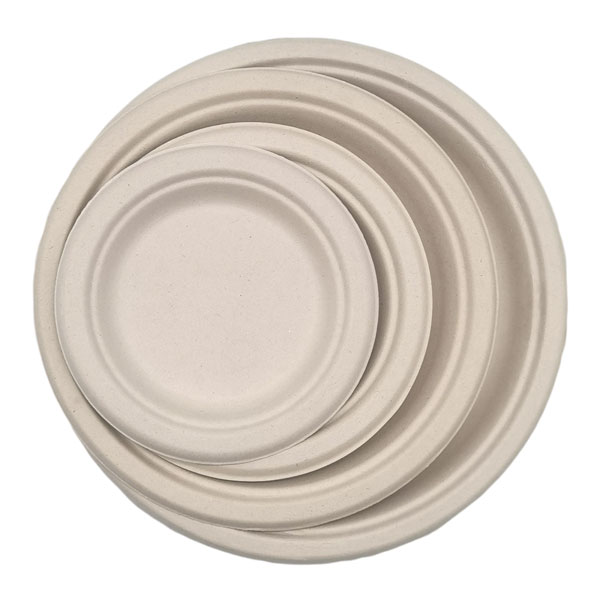
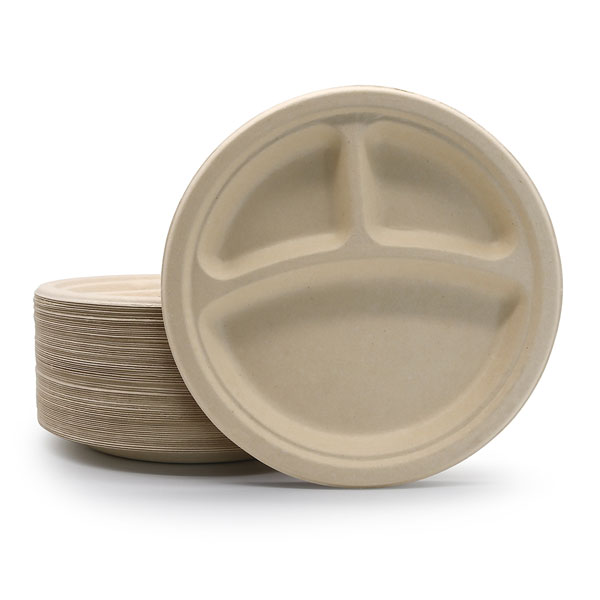
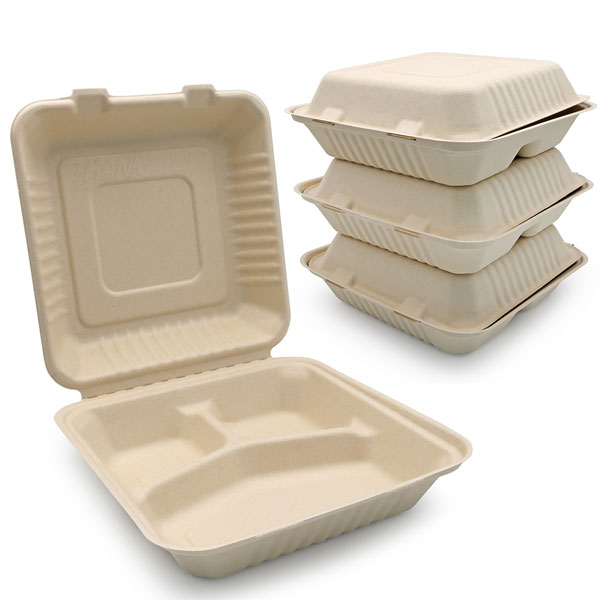
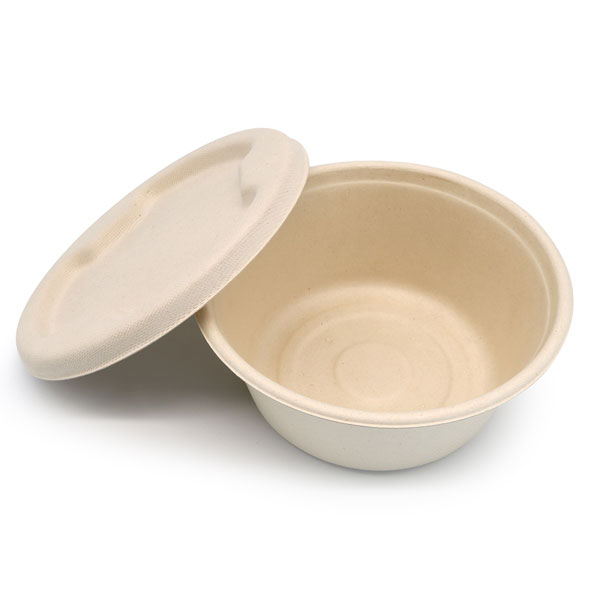
As we navigate through 2024, the North American compostable packaging market is experiencing unprecedented growth, with compostable plates emerging as one of the most dynamic segments. The convergence of regulatory pressures, consumer demand for sustainability, and technological advancements has created a perfect storm for eco-friendly disposable solutions to thrive.
The North American compostable packaging market is projected to reach $3.2 billion by the end of 2024, representing a 22% year-over-year growth. Within this expanding landscape, compostable plates specifically are witnessing a remarkable 28% growth rate, outpacing other product categories. This surge is particularly evident in two primary channels: food service establishments and fast-moving consumer goods (FMCG) retail.
Restaurants, catering services, and institutional food providers are increasingly adopting compostable plates as part of their sustainability initiatives. Several factors are driving this shift:
1. Municipal composting infrastructure has expanded by 34% across major North American cities in the past two years, making compostable plates a practical alternative to traditional disposables.
2. Consumer preference surveys indicate that 68% of diners are more likely to patronize establishments using environmentally friendly disposables like compostable plates.
3. Cost parity is improving as production scales up, with premium compostable plates now costing only 15-20% more than conventional plastic alternatives, compared to 40-50% premiums just three years ago.
Supermarkets and retail chains are increasingly stocking compostable plates for consumer purchase, creating a new growth channel. Key developments include:
• Major retailers like Walmart and Target have committed to increasing their compostable product offerings by 40% by 2025
• Private label compostable plates are gaining market share, offering consumers more affordable options
• Online retail platforms are dedicating specific sustainability categories featuring compostable plates and other eco-friendly disposables
The quality and performance of compostable plates have improved significantly. Modern compostable plates offer:
• Enhanced durability that rivals traditional paper plates
• Better heat resistance for hot foods
• Aesthetic improvements with natural, premium finishes
• Certified compostability that meets ASTM D6400 standards
West Coast markets lead in compostable plate adoption, with California, Oregon, and Washington showing 45% higher penetration rates than the national average. However, Midwest and Eastern markets are catching up rapidly, with growth rates exceeding 30% year-over-year as composting infrastructure expands.
2024 has seen significant regulatory developments:
• Seven additional states have implemented single-use plastic bans that specifically exempt compostable alternatives like compostable plates
• Extended Producer Responsibility (EPR) laws in Canada are creating incentives for manufacturers to develop compostable solutions
• Federal procurement guidelines are increasingly favoring compostable products for government facilities
Despite growth, education remains a challenge. Only 42% of consumers correctly understand what "compostable" means versus "biodegradable." Industry initiatives are addressing this through:
1. Clear labeling standards
2. Retailer education programs
3. Digital marketing campaigns highlighting the benefits of compostable plates
North American manufacturing capacity for compostable plates has increased by 60% since 2022, reducing dependence on imports and improving supply chain resilience. Key raw materials like PLA (polylactic acid) from corn and sugarcane bagasse are becoming more cost-effective and readily available.
While the market for compostable plates is growing rapidly, several challenges persist:
• Inconsistent composting infrastructure across regions
• Consumer confusion about proper disposal
• Higher upfront costs compared to conventional alternatives
However, these challenges present opportunities for:
• Partnerships between manufacturers and waste management companies
• Educational initiatives that increase proper disposal rates
• Economies of scale that will further reduce costs
The compostable plates market is poised for continued strong growth through 2025 and beyond. Businesses looking to capitalize on this trend should:
1. Develop clear sustainability messaging around their compostable plate offerings
2. Partner with local composting facilities to ensure proper end-of-life solutions
3. Consider customization options that allow brands to differentiate their compostable plates
4. Monitor regulatory developments in key markets
5. Invest in consumer education about the benefits and proper use of compostable plates
As environmental consciousness continues to rise and regulatory pressures increase, compostable plates represent not just an ethical choice but a strategic business opportunity. The companies that successfully navigate this evolving landscape will be well-positioned to capture market share in the growing sustainable packaging sector.
The 2024 North American market for compostable plates demonstrates that sustainability and profitability are no longer mutually exclusive. With the right strategy, businesses can contribute to environmental solutions while building stronger brand loyalty and capturing new market opportunities.