As global sustainability regulations tighten and consumer demand for eco-friendly practices grows, multinational quick-service restaurants (QSRs) face unprecedented pressure to transform their supply chains. The challenge isn't just about reducing emissions at individual points but creating an integrated, end-to-end solution that addresses carbon footprints across the entire value chain. This comprehensive approach requires innovative thinking about packaging materials, logistics optimization, and circular economy principles.
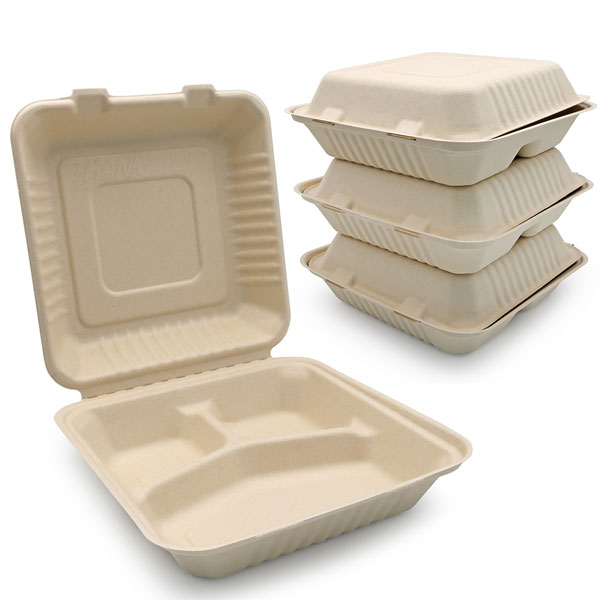
Traditional plastic and foam packaging represents one of the most significant environmental challenges for QSRs, accounting for substantial portions of their carbon footprint. Compostable plates made from bagasse—a byproduct of sugarcane processing—offer a revolutionary alternative that addresses multiple sustainability objectives simultaneously. These plates not only decompose naturally within commercial composting facilities but also demonstrate superior performance characteristics compared to conventional alternatives.
What makes bagasse-based compostable plates particularly valuable for multinational QSRs is their scalability and supply chain integration potential. Unlike many sustainable alternatives that struggle with consistency and availability, bagasse production aligns with existing agricultural cycles, creating a reliable supply chain that multinational corporations can depend on across multiple markets.
True supply chain carbon reduction requires looking beyond just packaging materials to the entire logistics ecosystem. Green logistics strategies, when combined with sustainable packaging like compostable plates, create synergistic effects that amplify environmental benefits. These strategies include:
For multinational QSRs operating across diverse regulatory environments, this integrated approach provides both compliance advantages and operational efficiencies. By standardizing on compostable plates and sustainable packaging across all markets, companies can streamline procurement, reduce complexity, and create consistent brand messaging around environmental responsibility.
Bagasse represents a perfect example of circular economy principles in action. As a waste product from sugarcane processing, it transforms what would otherwise be agricultural residue into valuable, functional packaging. This closed-loop approach reduces waste at multiple points in the supply chain while creating economic value from materials that were previously considered liabilities.
The environmental benefits of bagasse-based compostable plates extend beyond their end-of-life characteristics. The production process itself requires significantly less energy and water compared to traditional plastic manufacturing, creating upstream carbon savings that compound throughout the supply chain. When these plates are used in conjunction with comprehensive composting infrastructure, they complete the circular journey from agricultural byproduct to nutrient-rich soil amendment.
Successfully integrating compostable plates and green logistics into multinational operations requires strategic planning across several dimensions:
Leading QSRs are discovering that investments in compostable plates and integrated carbon reduction strategies yield returns beyond environmental compliance. These initiatives enhance brand reputation, create operational efficiencies, and position companies for leadership in an increasingly sustainability-focused marketplace.
As technology advances and consumer expectations evolve, the integration of compostable plates with sophisticated green logistics will become increasingly sophisticated. Emerging innovations include blockchain-enabled supply chain transparency, AI-driven emissions forecasting, and advanced materials science that further enhances the performance characteristics of sustainable packaging.
For multinational QSRs committed to meaningful environmental stewardship, the path forward is clear: embrace integrated solutions that address carbon emissions holistically across the entire supply chain. By combining the practical benefits of compostable plates with comprehensive green logistics strategies, these companies can achieve substantial carbon reductions while building more resilient, efficient, and future-proof operations.
The transition to sustainable supply chains represents both a challenge and an opportunity for multinational QSRs. Those who lead in adopting integrated carbon reduction solutions featuring compostable plates and green logistics will not only meet their environmental obligations but will also gain competitive advantages in markets where sustainability increasingly drives consumer choice and regulatory favor.