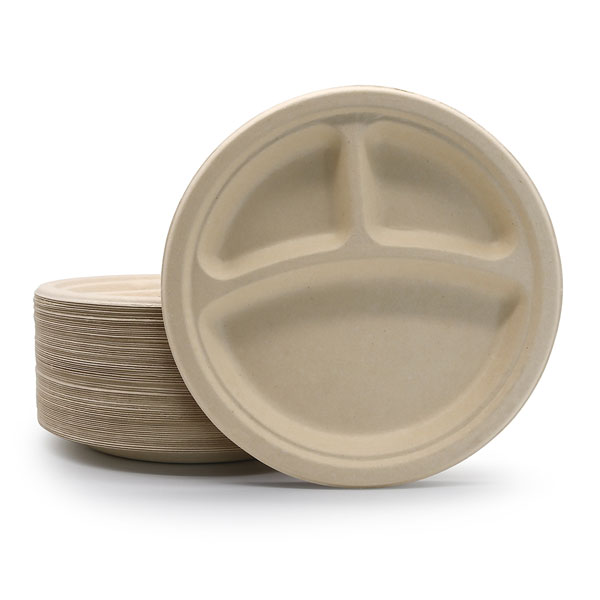
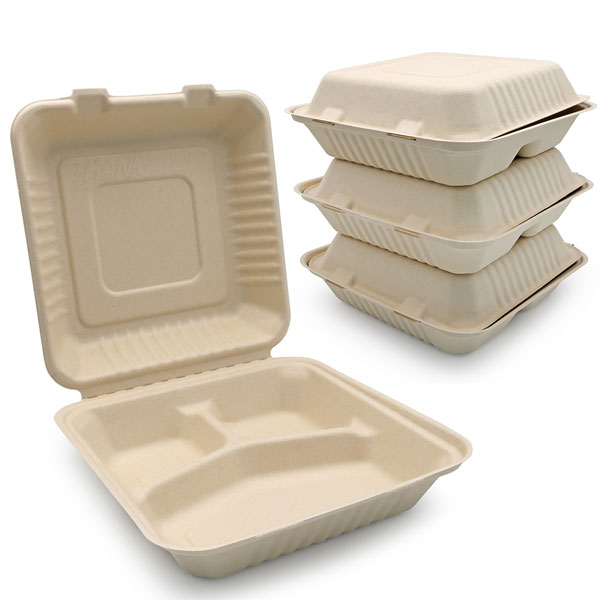
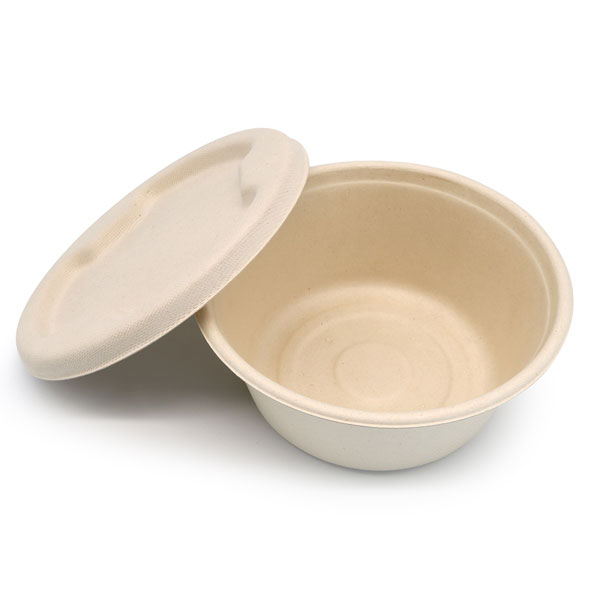
In today's environmentally conscious business landscape, sustainability has evolved from a corporate social responsibility initiative to a strategic competitive advantage. For B2B customers in the food service, hospitality, and retail sectors, the transition to eco-friendly packaging solutions represents more than just environmental stewardship—it's a pathway to accessing lucrative carbon markets and achieving valuable green certifications that drive business growth.
Carbon markets have emerged as powerful economic mechanisms that reward businesses for reducing their environmental footprint. When B2B customers switch from traditional plastic or Styrofoam packaging to compostable plates made from bagasse (sugarcane fiber), they're not just making an ethical choice—they're creating measurable carbon reduction benefits that can be quantified and monetized.
Bagasse packaging offers a unique advantage in carbon accounting: it represents a carbon-negative solution. Unlike petroleum-based plastics that release carbon during production and persist in landfills for centuries, bagasse products sequester carbon during sugarcane growth and return nutrients to the soil during composting. This creates a verifiable carbon offset that businesses can leverage in several ways:
Beyond carbon markets, the adoption of compostable plates opens doors to prestigious green certifications that enhance brand reputation and market positioning. These certifications serve as third-party validation of a company's environmental commitment, providing credibility that resonates with increasingly eco-conscious consumers and business partners.
Key certifications accessible through bagasse packaging adoption include:
BPI certification verifies that products will completely break down in commercial composting facilities. For businesses using compostable plates, this certification demonstrates compliance with ASTM standards for compostability, providing assurance to customers and regulatory bodies alike.
This federal program gives preference to biobased products in government purchasing. Bagasse packaging typically qualifies for high biobased content ratings, making it attractive for businesses serving government contracts or institutions.
This comprehensive certification evaluates products across five categories: material health, material reuse, renewable energy, water stewardship, and social fairness. Compostable plates made from agricultural waste align perfectly with this circular economy approach.
For businesses in the hospitality and food service sectors, using certified compostable products can contribute to LEED certification for their facilities, particularly in the Materials and Resources category.
The transition to bagasse-based compostable plates delivers tangible business benefits beyond environmental considerations:
Market Differentiation: In crowded marketplaces, sustainability credentials help businesses stand out. A 2023 consumer survey revealed that 78% of consumers are more likely to purchase from companies with strong environmental commitments, and 64% are willing to pay a premium for sustainable packaging.
Regulatory Compliance: With single-use plastic bans expanding globally, businesses adopting compostable plates position themselves ahead of regulatory curves. From the EU's Single-Use Plastics Directive to various state-level bans in the US, proactive adoption prevents future compliance costs and disruptions.
Supply Chain Resilience: Bagasse packaging utilizes agricultural waste, creating a circular economy model that's less vulnerable to petroleum price fluctuations than traditional plastic packaging. This provides cost stability and supply security for B2B customers.
Employee Engagement: Companies with strong sustainability programs report higher employee satisfaction and retention. The visible commitment to compostable plates and other eco-friendly practices creates a sense of purpose that resonates with today's workforce.
Successfully integrating bagasse packaging and leveraging its benefits requires a strategic approach:
A mid-sized restaurant chain with 50 locations recently transitioned to custom-branded compostable plates made from bagasse. Within one year, they achieved:
The market for compostable plates and sustainable packaging continues to evolve with several key trends:
Carbon Accounting Integration: New software solutions are making it easier for businesses to track and monetize carbon reductions from sustainable packaging choices.
Blockchain Verification: Emerging technologies enable transparent tracking of sustainable materials through supply chains, enhancing certification credibility.
Extended Producer Responsibility (EPR): Regulations increasingly hold businesses responsible for end-of-life packaging management, making compostable solutions more economically attractive.
Circular Economy Partnerships: Forward-thinking businesses are forming partnerships with composting facilities to create closed-loop systems for their compostable plates.
For B2B customers, the decision to adopt bagasse-based compostable plates represents a strategic investment in both environmental and business sustainability. By enabling participation in carbon markets, facilitating valuable green certifications, and delivering tangible business benefits, eco-friendly packaging transforms from a cost center to a value driver.
The companies that recognize this opportunity today will be best positioned to thrive in tomorrow's marketplace—where sustainability isn't just expected, but rewarded. As carbon markets mature and consumer preferences continue shifting toward environmentally responsible brands, the business case for compostable plates and similar sustainable solutions grows stronger with each passing quarter.
Ready to explore how custom bagasse packaging can help your business access carbon markets and achieve green certifications? Contact our sustainable packaging specialists today for a personalized assessment of your opportunities.