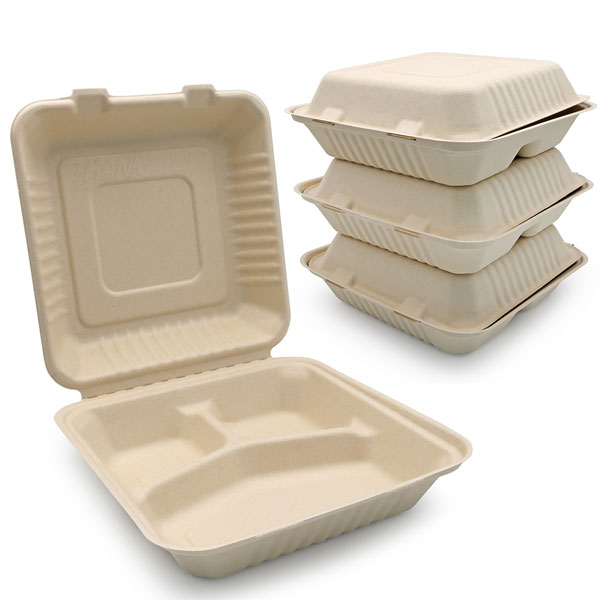
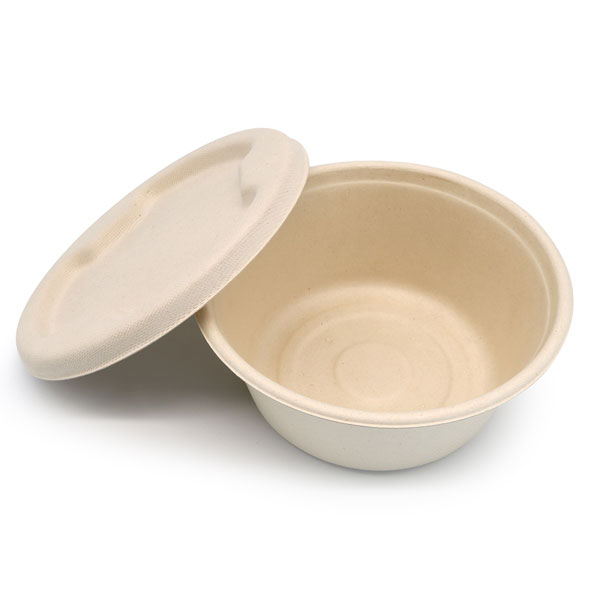
The South American sustainable packaging landscape is undergoing a remarkable transformation in 2024, with compostable packaging experiencing unprecedented channel expansion and market penetration. As environmental consciousness reaches new heights across Latin America, businesses are rapidly adopting sustainable alternatives to traditional plastics, with bagasse packaging emerging as the frontrunner in this green revolution.
Several key factors are accelerating the adoption of compostable packaging across South America. First, stringent environmental regulations in countries like Chile, Colombia, and Brazil are mandating the reduction of single-use plastics. Second, consumer demand for eco-friendly options has reached critical mass, with 78% of South American consumers now preferring businesses that use sustainable packaging. Third, the region's abundant sugarcane production provides a readily available, cost-effective raw material for bagasse-based products.
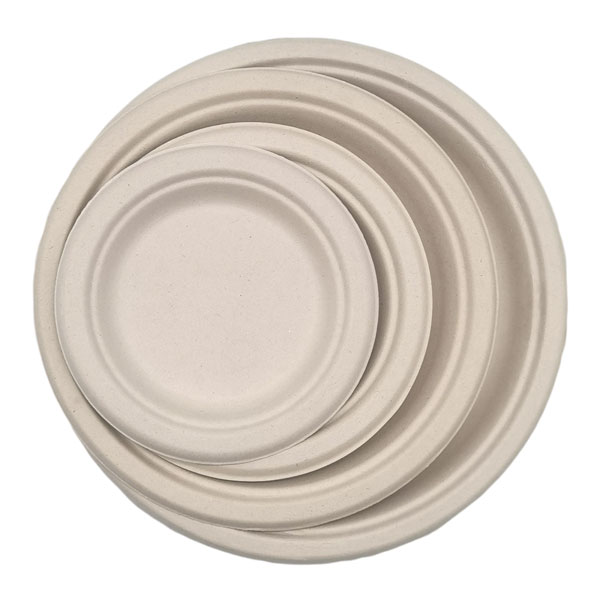
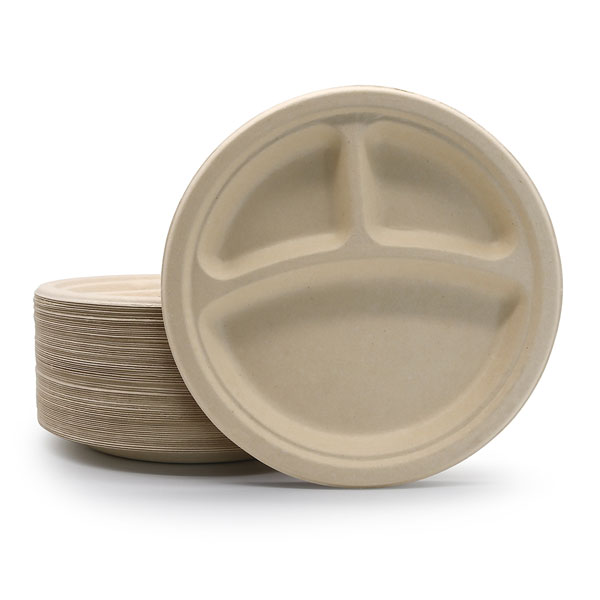
Compostable plates made from sugarcane bagasse are at the forefront of this packaging revolution for several compelling reasons. These plates offer superior heat resistance compared to traditional paper plates, making them ideal for hot foods. They're microwave-safe, freezer-friendly, and completely biodegradable within 90 days in commercial composting facilities. For B2B clients in the food service industry, this means offering customers a premium dining experience while demonstrating environmental responsibility.
Successful market penetration in 2024 requires strategic channel expansion. Leading companies are implementing multi-pronged approaches:
1. Direct B2B Partnerships: Establishing direct relationships with restaurant chains, catering services, and corporate dining facilities across major South American cities.
2. E-commerce Integration: Leveraging the region's booming e-commerce platforms to reach small and medium-sized food businesses.
3. Government and Institutional Contracts: Securing contracts with government agencies, schools, and hospitals that are mandated to adopt sustainable practices.
4. Retail Distribution Networks: Expanding presence in supermarket chains and specialty food stores that cater to environmentally conscious consumers.
In today's competitive landscape, offering customized compostable plates provides significant competitive advantage. Businesses can differentiate themselves through:
- Branded packaging with company logos and messaging
- Custom shapes and sizes tailored to specific menu items
- Specialized coatings for different food types (greasy, saucy, or dry foods)
- Color options that align with brand identity
- Custom embossing for premium presentation
While the growth trajectory is impressive, businesses must navigate several challenges:
Infrastructure Development: Expanding commercial composting facilities to match the growing volume of compostable packaging.
Consumer Education: Teaching proper disposal methods to ensure compostable plates reach appropriate facilities.
Cost Competitiveness: Achieving price parity with traditional alternatives through economies of scale and production efficiency.
Supply Chain Optimization: Developing reliable supply chains that can meet growing demand across diverse South American markets.
Beyond environmental benefits, bagasse packaging offers compelling economic advantages. Sugarcane bagasse is an agricultural byproduct that would otherwise be discarded, making it cost-effective. Local production reduces transportation costs and supports regional economies. Furthermore, businesses using compostable plates often experience increased customer loyalty and positive brand perception, translating to higher customer lifetime value.
Looking ahead to 2025 and beyond, several trends are emerging:
1. Regional Production Hubs: Expect to see more localized manufacturing facilities across South America to reduce transportation costs and carbon footprint.
2. Advanced Material Science: Research into enhanced bagasse formulations will yield even more durable and versatile compostable plates.
3. Circular Economy Integration: Complete closed-loop systems where used compostable plates return to agricultural applications as nutrient-rich compost.
4. Digital Traceability: Blockchain and QR code technology enabling consumers to verify the sustainability credentials of their packaging.
For businesses looking to capitalize on these trends, we recommend:
1. Conduct a comprehensive packaging audit to identify replacement opportunities
2. Start with pilot programs in specific locations or for particular menu items
3. Leverage the sustainability story in marketing and customer communications
4. Partner with suppliers offering customization to align with brand identity
5. Implement staff training programs on proper use and disposal of compostable plates
The 2024 South American compostable packaging market represents a significant opportunity for forward-thinking businesses. With bagasse packaging leading the charge, compostable plates are no longer a niche product but a mainstream solution. The accelerated market penetration we're witnessing is driven by regulatory pressures, consumer demand, and genuine environmental benefits.
For B2B clients in the food service industry, now is the time to embrace this trend. By adopting customized compostable plates, businesses can reduce their environmental impact, meet regulatory requirements, appeal to eco-conscious consumers, and position themselves as sustainability leaders in their markets.
The channel expansion trends of 2024 are creating unprecedented accessibility to high-quality compostable packaging solutions. Whether through direct partnerships, e-commerce platforms, or retail distribution, businesses across South America have more options than ever to make the switch to sustainable packaging that doesn't compromise on quality or performance.