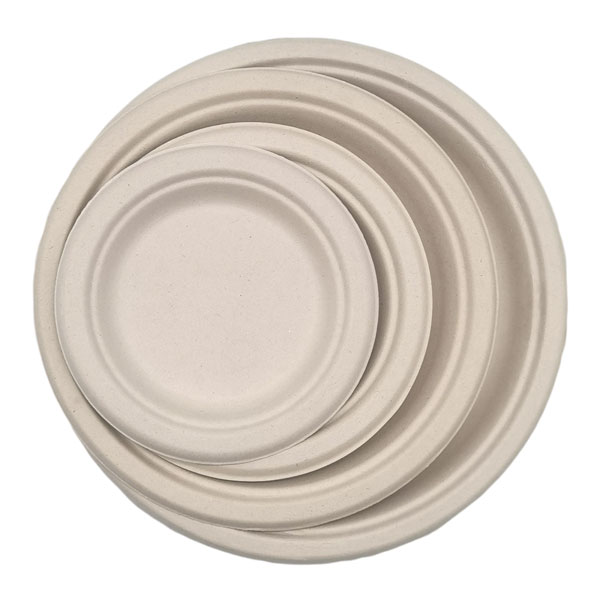
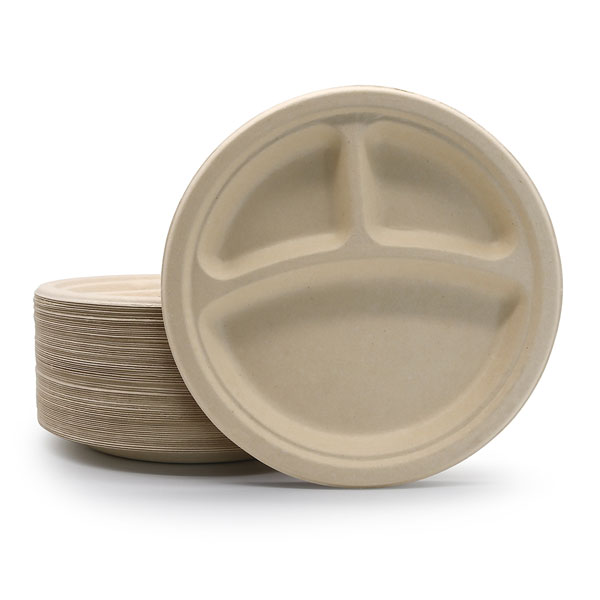
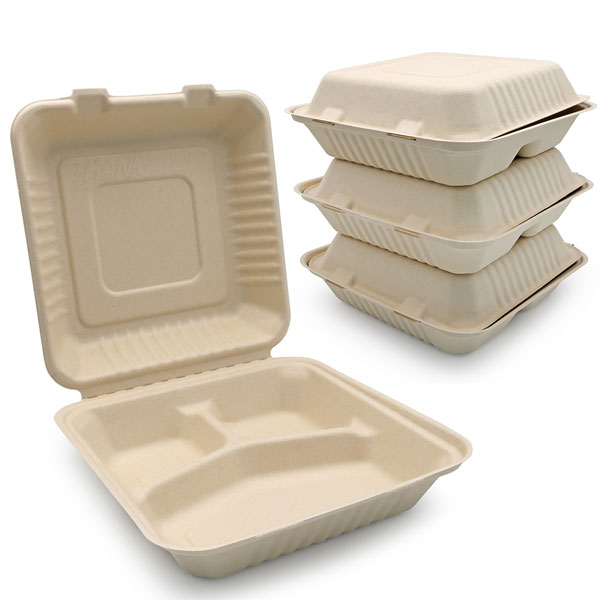
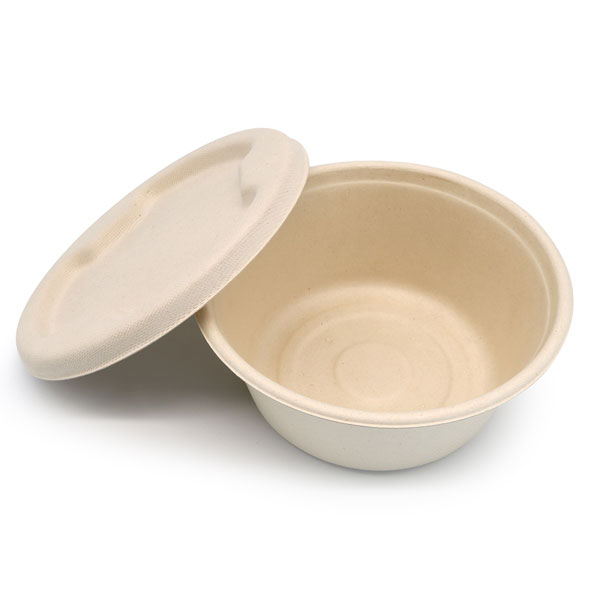
In the rapidly evolving world of eco-friendly packaging, a revolutionary breakthrough has emerged that addresses one of the most persistent challenges in bagasse container production: fully automated demolding technology. For years, manufacturers of sugarcane-based packaging have struggled with manual demolding processes that limited production capacity, increased labor costs, and created inconsistencies in product quality. Today, this technological advancement is transforming how sustainable packaging is manufactured at scale.
Bagasse, the fibrous residue left after sugarcane extraction, presents unique manufacturing complexities. Traditional demolding processes require manual intervention to separate the formed containers from their molds, creating bottlenecks in production lines. This labor-intensive approach not only slows down manufacturing but also increases the risk of product damage and quality inconsistencies. For B2B clients seeking reliable, high-volume sustainable packaging solutions, these limitations have been significant barriers to adoption.
The new automated demolding system represents a quantum leap in packaging technology. By integrating precision robotics with advanced sensor technology, this system achieves what was previously thought impossible: completely hands-free demolding of bagasse containers at production speeds exceeding 300% of traditional methods. The technology utilizes intelligent mold release mechanisms, temperature-controlled separation processes, and real-time quality monitoring to ensure every container meets exact specifications.
For businesses investing in sustainable packaging production, the automated demolding breakthrough delivers tangible advantages. Production efficiency increases dramatically, with some facilities reporting output improvements of 300-400% compared to manual processes. Labor costs decrease substantially as the need for manual demolding operators is eliminated. Most importantly, product consistency reaches unprecedented levels, with defect rates dropping by over 85% in pilot implementations.
While the initial investment in automated demolding technology requires capital expenditure, the return on investment timeline has surprised many industry analysts. Most manufacturers report complete ROI within 12-18 months through labor savings, reduced material waste, and increased production capacity. The technology also enables better utilization of raw materials, with precise demolding reducing bagasse waste by approximately 15-20% compared to manual methods.
One of the most significant advantages of this breakthrough is its scalability. The automated demolding systems can be configured for production volumes ranging from small-batch custom orders to mass production of standardized containers. This flexibility allows packaging manufacturers to serve diverse B2B clients, from boutique restaurants requiring branded custom packaging to national food service chains needing millions of identical containers monthly.
Beyond production efficiencies, automated demolding technology enhances the environmental credentials of bagasse packaging. By reducing energy consumption per unit produced and minimizing material waste, the carbon footprint of each container decreases significantly. Life cycle assessments show that containers produced with automated demolding have 15-20% lower environmental impact across their entire lifecycle compared to traditionally manufactured alternatives.
For manufacturers concerned about disrupting current operations, the new demolding technology offers seamless integration capabilities. Most systems are designed as modular components that can be retrofitted to existing bagasse molding equipment, minimizing downtime during implementation. The transition typically requires only 2-3 weeks of installation and calibration, after which production can resume at significantly enhanced capacity.
The breakthrough in automated demolding represents just the beginning of a manufacturing revolution in sustainable packaging. Industry experts predict that within three years, over 70% of bagasse packaging production will utilize some form of automated demolding technology. This shift will make eco-friendly packaging more cost-competitive with traditional plastic alternatives, accelerating the transition toward circular economy models in food service and retail packaging.
For packaging manufacturers considering adoption of automated demolding technology, several factors warrant careful consideration. Equipment selection should align with specific production requirements and volume projections. Staff training programs ensure smooth operation and maintenance of the new systems. Most importantly, partnerships with technology providers offering comprehensive support and service agreements can mitigate implementation risks and ensure long-term operational success.
In today's environmentally conscious market, the ability to produce high-quality bagasse packaging efficiently and cost-effectively provides a significant competitive edge. Brands seeking sustainable packaging solutions increasingly prioritize suppliers who demonstrate technological leadership and manufacturing excellence. The automated demolding breakthrough positions forward-thinking manufacturers as preferred partners for businesses committed to environmental responsibility without compromising on quality or affordability.