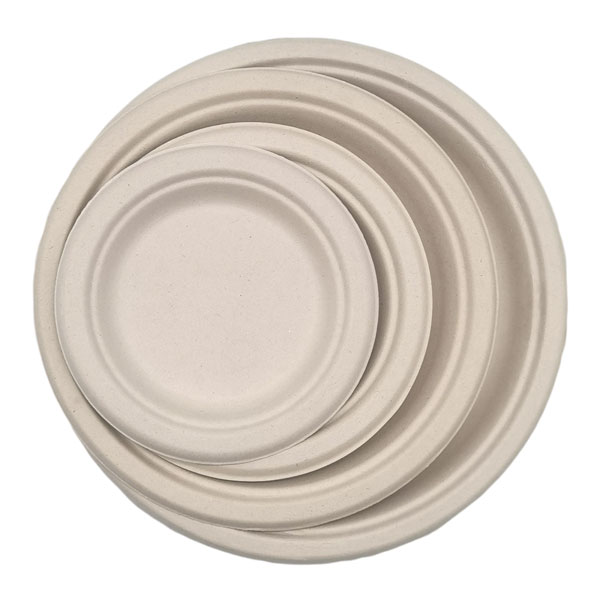
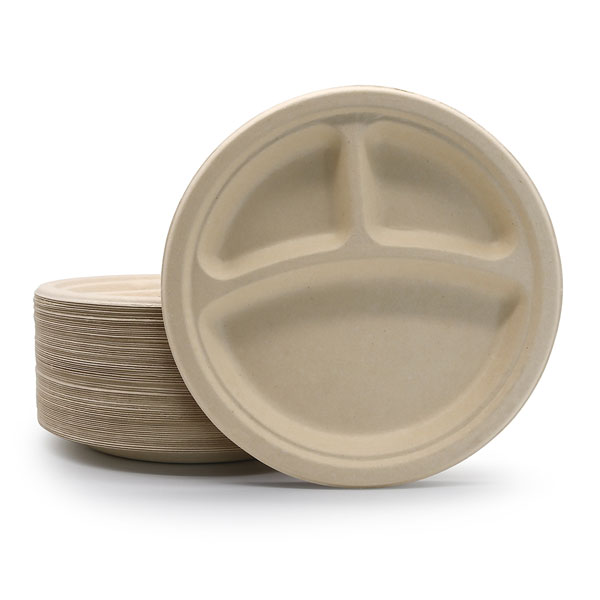
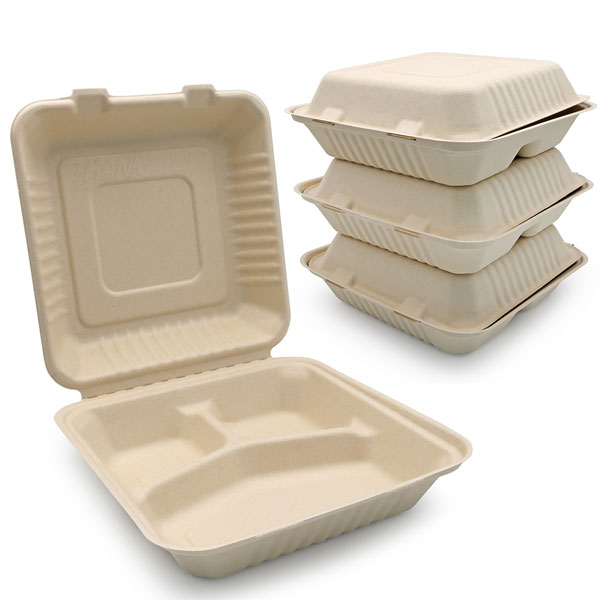
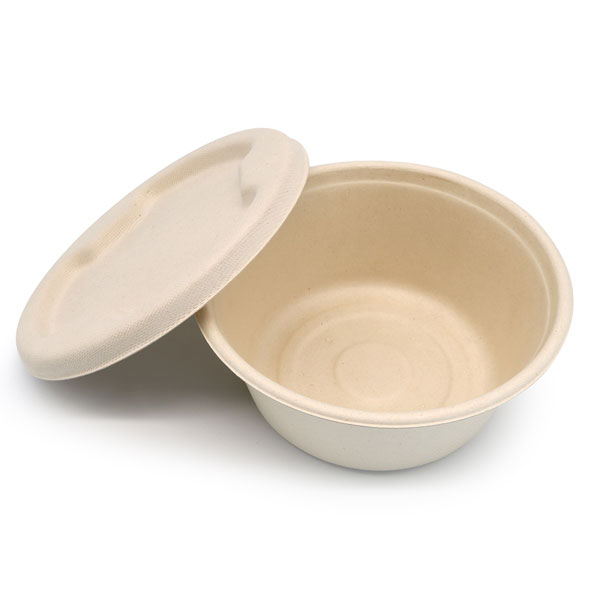
Recent advancements in bio-enzyme degradation technology have fundamentally transformed how sugarcane bagasse packaging breaks down in commercial composting facilities. Unlike traditional decomposition methods that rely solely on microbial activity, specialized enzyme formulations now target the lignocellulosic structure of bagasse fibers, accelerating the natural degradation process by up to 70%. This breakthrough represents a significant leap forward for businesses seeking truly sustainable packaging solutions that align with circular economy principles.
While conventional bagasse packaging offers environmental benefits over petroleum-based alternatives, many B2B clients face practical challenges with decomposition timelines and consistency. Standard bagasse products can take 90-180 days to fully decompose in industrial composting conditions, creating logistical bottlenecks for waste management partners. The bio-enzyme breakthrough addresses these concerns by ensuring predictable, accelerated decomposition within 30-45 days, providing businesses with reliable sustainability metrics for ESG reporting and regulatory compliance.
For restaurants, catering services, and retail brands transitioning to sustainable packaging, the enhanced degradation technology offers tangible operational benefits. Customizable enzyme formulations can be tailored to specific climate conditions and composting infrastructure, ensuring consistent performance across different geographic markets. This technical precision allows businesses to maintain brand integrity while meeting increasingly stringent municipal composting requirements and consumer expectations for genuine environmental responsibility.
Integrating bio-enhanced bagasse packaging into existing supply chains requires careful consideration of technical parameters. The enzyme treatment process occurs during manufacturing, embedding degradation catalysts directly into the fiber matrix without compromising structural integrity or food safety standards. Businesses benefit from enhanced shelf stability during storage and transportation, followed by accelerated decomposition once the packaging enters appropriate composting environments. This dual-phase performance makes the technology particularly valuable for businesses with complex distribution networks.
The bio-enzyme breakthrough enables bagasse packaging to meet the most rigorous international certifications, including ASTM D6400, EN 13432, and BPI certification standards. For multinational corporations navigating diverse regulatory landscapes, this technical advancement provides unified compliance solutions across markets. The predictable degradation timelines facilitate waste management partnerships and help businesses achieve zero-waste-to-landfill commitments more efficiently, creating measurable sustainability achievements for annual reports and investor communications.
While premium technologies often carry cost implications, the bio-enzyme enhancement actually reduces long-term expenses through improved waste management efficiency. Businesses experience lower composting facility fees due to faster processing times and reduced space requirements. Additionally, the technology extends the viable applications for bagasse packaging into premium product categories previously reserved for less sustainable materials, creating new market opportunities while maintaining environmental integrity.
As regulatory pressure intensifies and consumer awareness grows, early adoption of bio-enhanced bagasse packaging positions businesses as sustainability leaders. The technology continues to evolve with next-generation enzyme formulations targeting even faster decomposition rates and broader temperature tolerances. Forward-thinking companies that integrate these advancements now will establish competitive advantages in markets increasingly defined by environmental performance, brand transparency, and circular economy innovation.
Transitioning to bio-enzyme enhanced bagasse packaging requires strategic planning across procurement, operations, and marketing departments. Successful implementation involves phased integration approaches, starting with high-visibility product lines or geographic markets. Partnering with manufacturers offering technical support and certification documentation ensures smooth adoption while maximizing the sustainability narrative for customer communications and brand positioning in competitive markets.