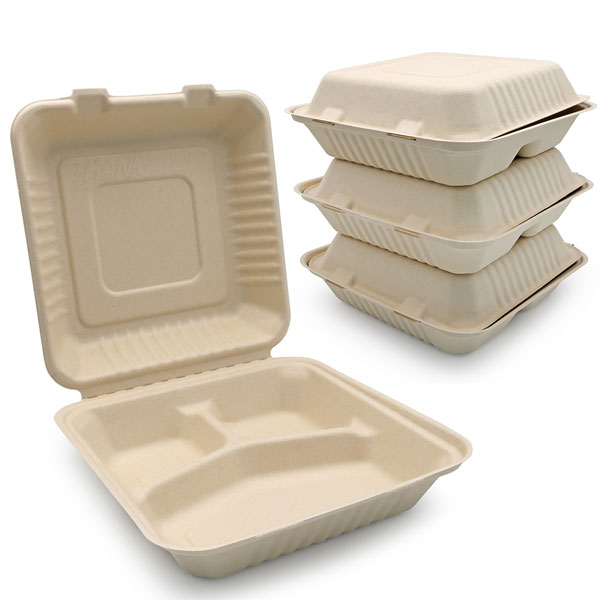
As meat processors face increasing pressure to reduce environmental impact while maintaining product safety, sugarcane bagasse emerges as a game-changing solution. This agricultural byproduct offers processors a unique opportunity to enhance cold chain efficiency while significantly lowering carbon emissions. Unlike traditional petroleum-based packaging, bagasse packaging represents a circular economy approach that transforms waste into valuable protective materials.
The meat processing industry faces dual challenges: stringent cold chain requirements and growing environmental regulations. Traditional packaging materials contribute significantly to carbon emissions throughout their lifecycle. Sugarcane bagasse packaging addresses both concerns simultaneously, providing superior insulation properties while reducing overall carbon footprint by up to 70% compared to conventional options. For processors seeking to meet sustainability targets without compromising food safety, this represents a strategic advantage.
One of the most critical concerns for meat processors is maintaining consistent temperatures throughout the supply chain. Sugarcane bagasse packaging offers exceptional thermal insulation properties, helping to stabilize internal temperatures during transportation and storage. The natural fibrous structure creates air pockets that provide superior insulation compared to many synthetic alternatives. This means reduced energy consumption for refrigeration and fewer temperature fluctuations that could compromise product quality.
Meat packaging must withstand moisture exposure while preventing bacterial growth. Advanced sugarcane bagasse solutions now incorporate food-grade coatings that provide excellent moisture resistance without compromising compostability. These coatings create a barrier that protects meat products while maintaining the packaging's ability to break down in industrial composting facilities. For processors, this means enhanced food safety protocols alongside environmental responsibility.
The true environmental benefit of sugarcane bagasse packaging becomes clear through comprehensive lifecycle analysis. Unlike petroleum-based plastics that release carbon stored for millions of years, bagasse packaging utilizes carbon recently absorbed by sugarcane plants. This creates a near-neutral carbon cycle, with the added benefit of diverting agricultural waste from landfills where it would produce methane—a potent greenhouse gas. Processors can quantify these benefits for sustainability reporting and carbon credit programs.
Modern sugarcane bagasse packaging offers extensive customization options for meat processors. From branded printing to specialized shapes for different cuts of meat, processors can maintain brand visibility while communicating their sustainability commitment to consumers. The natural appearance of bagasse packaging also conveys freshness and quality, enhancing product presentation in retail environments.
With increasing legislation targeting single-use plastics and packaging waste, meat processors must anticipate regulatory changes. Sugarcane bagasse packaging positions processors ahead of compliance requirements in multiple jurisdictions. These solutions meet FDA and EU food contact regulations while aligning with extended producer responsibility frameworks. By adopting bagasse packaging now, processors avoid costly retrofitting and maintain market access as regulations tighten.
Integrating sugarcane bagasse packaging into existing operations requires minimal disruption. The material works with standard filling and sealing equipment, and its lightweight nature reduces shipping costs compared to heavier alternatives. Many processors find that the total cost of ownership becomes competitive when factoring in waste disposal savings, potential carbon credit benefits, and enhanced brand value.
Forward-thinking meat processors recognize that sustainability is no longer optional—it's a competitive necessity. By adopting sugarcane bagasse packaging, processors demonstrate leadership in environmental stewardship while addressing practical business needs. This positions them favorably with environmentally conscious retailers, food service providers, and consumers who increasingly make purchasing decisions based on packaging sustainability.
Transitioning to sugarcane bagasse packaging requires a phased approach. Begin with pilot programs for specific product lines, measure performance against key metrics including temperature stability, shelf life, and customer feedback. Collaborate with experienced suppliers who understand both the technical requirements of meat packaging and the sustainability goals of modern processors. Document the environmental and operational benefits to build a compelling business case for broader implementation.
As technology advances, sugarcane bagasse packaging continues to evolve with enhanced barrier properties, improved printability, and greater design flexibility. Processors who invest in these solutions today position themselves at the forefront of industry innovation. The combination of cold chain safety, carbon efficiency, and consumer appeal makes sugarcane bagasse packaging not just an alternative, but the future standard for responsible meat processing.