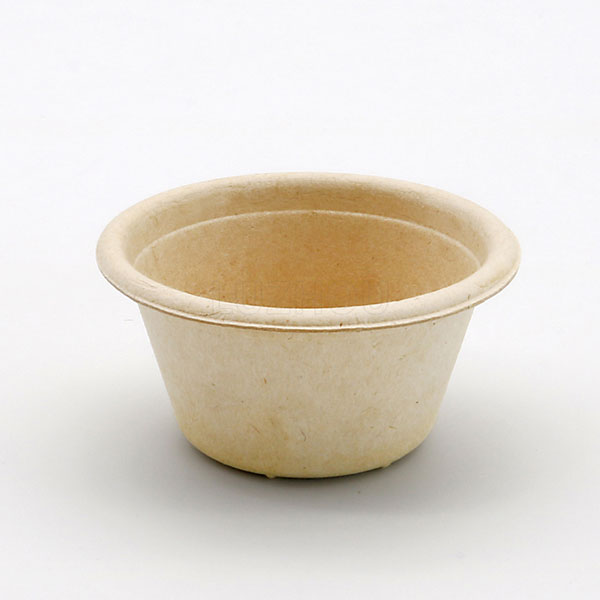
For years, the food packaging industry has faced a critical dilemma: how to balance sustainability with practical performance requirements. Traditional compostable materials like unmodified bagasse often struggle with moisture resistance, limiting their application for many food products. This performance gap has hindered widespread adoption of truly sustainable packaging solutions, forcing businesses to choose between environmental responsibility and product protection.
Inorganic co-modified bagasse represents a groundbreaking advancement in sustainable materials science. This innovative process involves treating natural sugarcane bagasse fibers with carefully selected inorganic compounds that form protective molecular bonds with the cellulose structure. Unlike conventional surface coatings that can compromise compostability, this co-modification occurs at the molecular level, creating a material that maintains its full biodegradability while dramatically enhancing functional properties.
The true innovation lies in how inorganic co-modification transforms bagasse's inherent properties. Traditional bagasse packaging absorbs moisture quickly, leading to structural weakening and potential food contamination risks. Our inorganic co-modified bagasse achieves moisture resistance levels comparable to conventional plastics while remaining fully compostable. The inorganic compounds create a protective network within the fiber matrix that repels water molecules without creating a non-biodegradable barrier.
For B2B clients in the food industry, this technology delivers tangible benefits. First, superior moisture barrier properties extend shelf life for moisture-sensitive products. Second, enhanced structural integrity maintains packaging form under varying humidity conditions. Third, heat resistance improvements allow for broader hot food applications. Most importantly, all these performance gains come without sacrificing the material's compostability or food safety credentials.
One of the most significant advantages of inorganic co-modified bagasse is its compliance with global food contact regulations and compostability certifications. Unlike some bioplastic alternatives that require industrial composting facilities, our modified bagasse maintains home compostability in most formulations. This addresses a key B2B concern: ensuring packaging solutions meet both performance requirements and sustainability commitments without regulatory complications.
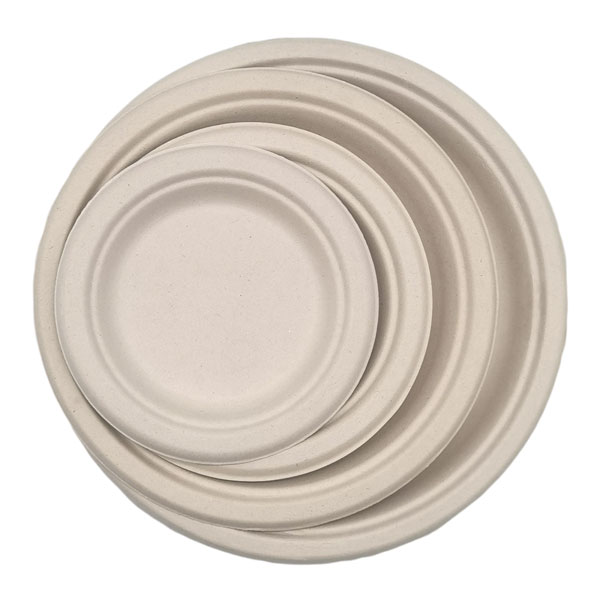
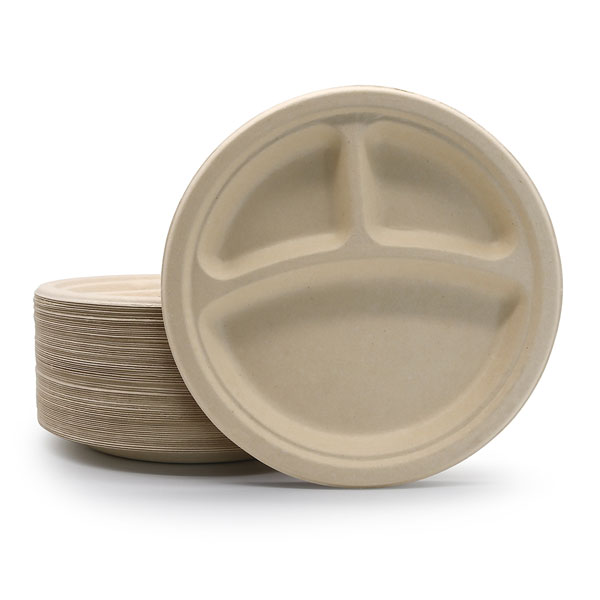
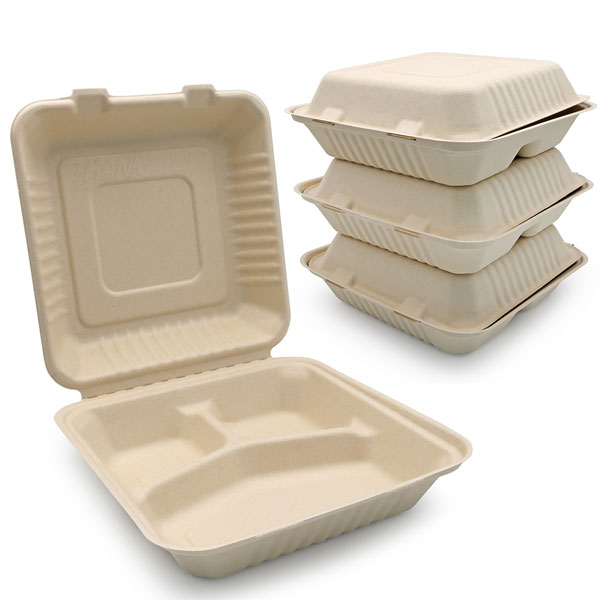
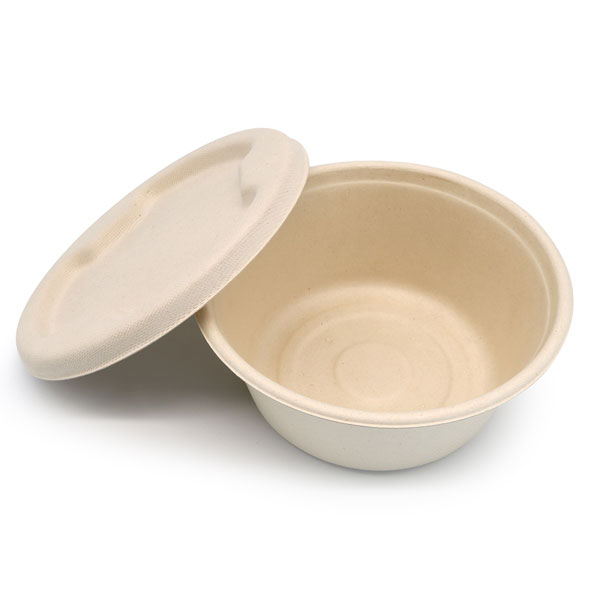
This moisture-proof durability breakthrough opens new possibilities across multiple food packaging segments. From takeout containers that maintain structural integrity with saucy dishes to bakery packaging that preserves crispness, the applications are extensive. Particularly valuable for frozen food packaging where condensation resistance is critical, and for fresh produce packaging requiring breathability without moisture absorption.
For businesses seeking branded sustainable packaging, inorganic co-modified bagasse offers excellent customization potential. The material accepts printing and embossing well, maintains color fidelity, and can be formed into various shapes while retaining its enhanced properties. Our scalable production process ensures consistent quality and reliable supply—a crucial consideration for businesses transitioning from conventional packaging materials.
Beyond immediate performance improvements, this technology delivers significant environmental advantages. The modification process uses minimal energy compared to synthetic polymer production, and the inorganic compounds are selected for minimal environmental impact. The resulting packaging completes a true circular lifecycle: from agricultural byproduct to functional packaging to nutrient-rich compost, supporting sustainable agriculture in a closed-loop system.
As pioneers in inorganic co-modified bagasse technology, we continue to advance this field. Current research focuses on further enhancing barrier properties for oxygen and grease resistance while maintaining full compostability. We're also developing tailored formulations for specific food categories, ensuring optimal performance for each application while pushing the boundaries of what sustainable packaging can achieve.
For businesses considering the switch to inorganic co-modified bagasse packaging, the transition process is designed for minimal disruption. Our technical team provides comprehensive support from material testing to production integration. We help clients navigate the performance validation process, ensuring the packaging meets their specific requirements while delivering the sustainability benefits that today's consumers increasingly demand.
The inorganic co-modified bagasse breakthrough represents more than just another packaging option—it's a fundamental shift in how we approach sustainable food packaging. By solving the moisture resistance challenge that has long limited compostable materials, this technology enables businesses to embrace true sustainability without compromising on performance, opening new possibilities for environmentally responsible food packaging across the industry.