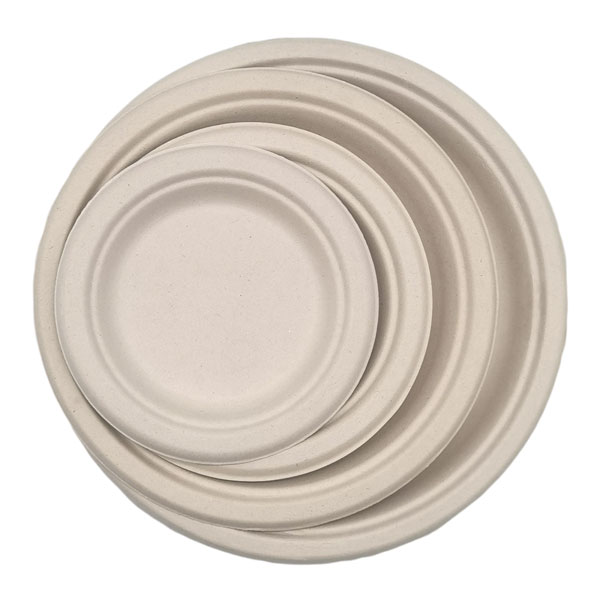
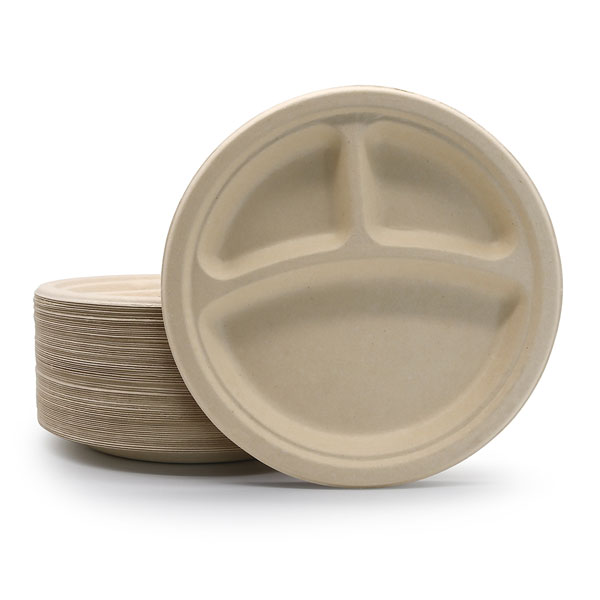
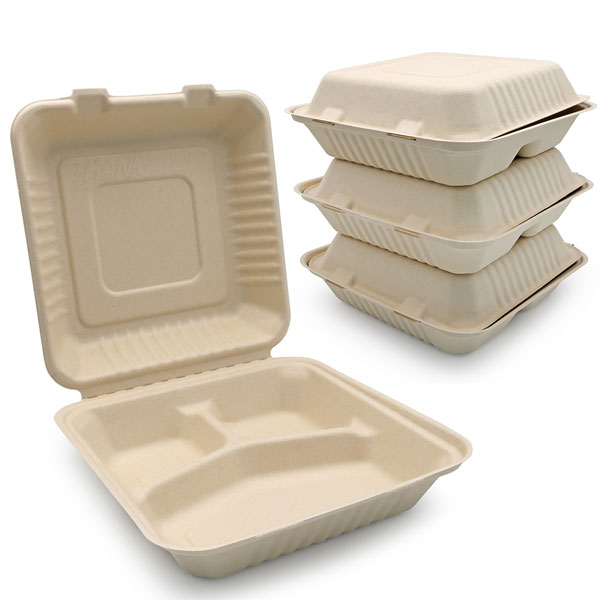
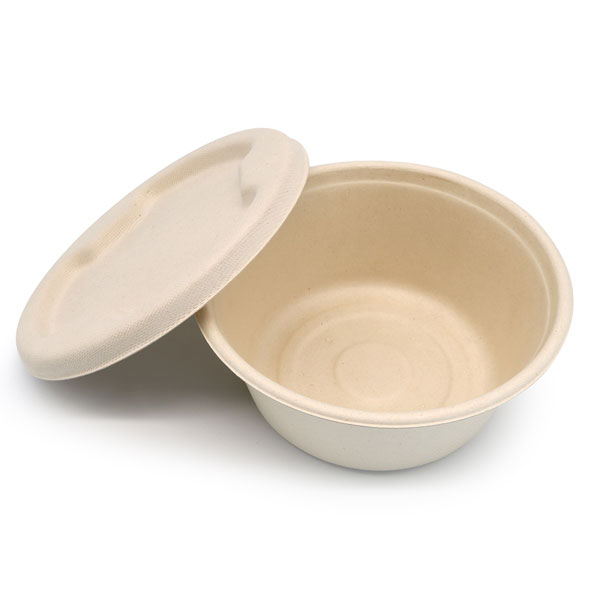
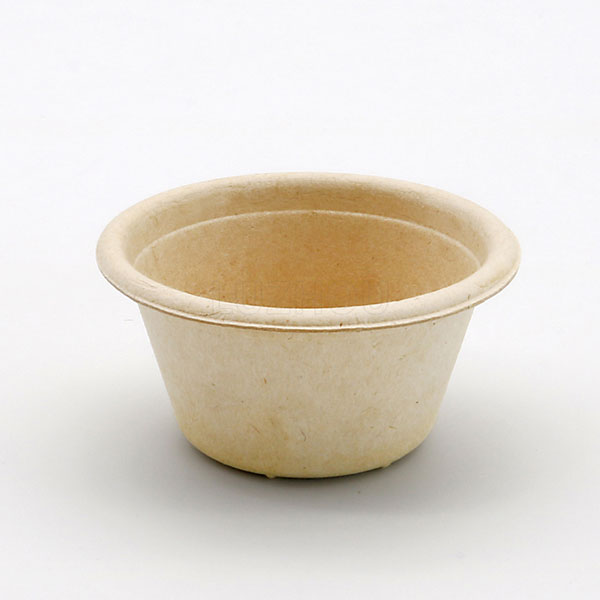
For years, B2B food service and packaging companies have faced a critical dilemma: how to embrace sustainable bagasse packaging while maintaining the performance standards demanded by modern food delivery and takeout operations. Traditional bagasse packaging, made from sugarcane fiber, offers excellent eco-credentials but often falls short in moisture resistance and heat tolerance. This limitation has prevented many businesses from fully transitioning to compostable alternatives, creating a gap between sustainability goals and practical performance requirements.
Inorganic co-modification represents a groundbreaking advancement in sustainable packaging science. Unlike conventional surface treatments or chemical coatings, this technology involves the strategic integration of carefully selected inorganic compounds directly into the bagasse fiber matrix during the manufacturing process. The result is a fundamentally enhanced material structure that maintains 100% compostability while dramatically improving functional properties. This isn't merely a coating or additive - it's a molecular-level transformation that preserves the natural compostability of bagasse while addressing its historical weaknesses.
The moisture resistance breakthrough is particularly transformative for B2B food service applications. Traditional bagasse packaging often struggles with greasy foods, saucy dishes, and condensation from hot meals. Our inorganic co-modification technology creates a hydrophobic barrier within the fiber structure itself, significantly reducing liquid absorption by up to 85% compared to standard bagasse products. This means your compostable takeout containers can now confidently handle everything from juicy burgers to saucy pasta without compromising structural integrity or customer experience.
Heat resistance has been another critical limitation for sustainable packaging. Standard bagasse containers can soften or degrade when exposed to high temperatures, limiting their use for hot food delivery. Through inorganic co-modification, we've engineered bagasse packaging that maintains structural stability at temperatures up to 220°F (104°C). This breakthrough enables restaurants, caterers, and food delivery services to use compostable packaging for hot soups, stews, and freshly cooked meals without worrying about container failure during transport.
Beyond performance enhancements, inorganic co-modification technology offers significant regulatory benefits. The carefully selected inorganic compounds are FDA-approved for food contact and meet international food safety standards. Unlike some plastic coatings or PFAS treatments that face increasing regulatory scrutiny, our approach maintains full compostability certification while ensuring food safety compliance. This provides B2B clients with future-proof packaging solutions that align with evolving global regulations on sustainable packaging.
For B2B clients considering packaging upgrades, the inorganic co-modification breakthrough offers practical advantages throughout the supply chain. The enhanced durability reduces damage during shipping and storage, lowering overall packaging waste. Custom branding options remain fully available, with improved printability and surface quality. Most importantly, this technology enables a seamless transition from conventional plastic or coated paper packaging to fully compostable alternatives without sacrificing performance or increasing costs through product failure.
While enhancing performance, our inorganic co-modification technology maintains the core environmental benefits of bagasse packaging. The modified materials remain fully compostable in industrial facilities, breaking down within 90 days under proper conditions. The inorganic compounds used are naturally occurring minerals that safely return to the earth, creating no microplastic pollution. This represents a true circular economy solution - taking agricultural waste (sugarcane fiber), enhancing it through sustainable technology, and creating packaging that returns nutrients to the soil.
Transitioning to enhanced bagasse packaging requires strategic planning. We recommend starting with pilot programs for specific menu items or delivery scenarios to validate performance improvements. Many of our B2B clients begin with their highest-margin or most challenging food items, where the enhanced moisture and heat resistance provide immediate value. Customization options allow for gradual implementation across product lines, supporting both sustainability goals and operational excellence.
The inorganic co-modification breakthrough represents just the beginning of performance-enhanced sustainable packaging. As research continues, we're exploring additional enhancements including improved barrier properties for longer shelf life, enhanced grease resistance for fried foods, and even smart packaging features. For forward-thinking B2B companies, adopting this technology today positions them as sustainability leaders while future-proofing their packaging strategy against evolving consumer expectations and regulatory requirements.
Ready to leverage this packaging breakthrough for your business? Start by assessing your current packaging pain points - where do moisture or heat issues create customer complaints or operational challenges? Our technical team can help identify the optimal product applications and develop a phased implementation plan. With custom branding options and scalable production capabilities, we make it easy to upgrade to performance-enhanced compostable packaging that meets both your sustainability goals and practical business needs.