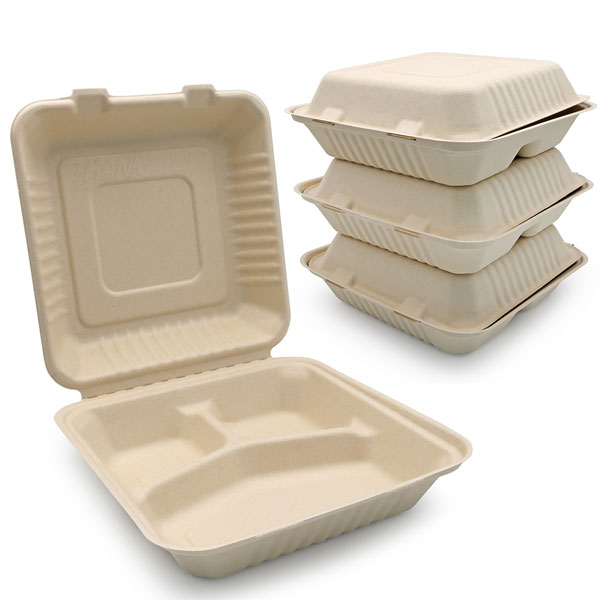
The Middle Eastern food and beverage industry faces unique challenges in cold chain logistics. With extreme temperatures, high humidity, and growing consumer demand for sustainable options, businesses need packaging solutions that perform reliably while aligning with environmental goals. Bagasse packaging, made from sugarcane fiber, offers a compelling upgrade path for forward-thinking F&B companies.
Traditional packaging materials often fail in Middle Eastern conditions, where temperature fluctuations can compromise food safety and quality. Bagasse packaging provides natural insulation properties that help maintain consistent temperatures during transit. Unlike petroleum-based alternatives, bagasse is derived from agricultural waste, making it both sustainable and cost-effective for businesses looking to reduce their carbon footprint while ensuring product integrity.
Modern bagasse packaging for cold chain applications incorporates several critical upgrades. Moisture-resistant coatings protect against high humidity common in Gulf regions, while enhanced structural designs provide better insulation for temperature-sensitive products. These technical improvements ensure that bagasse containers maintain their integrity from production facilities to retail outlets, even in challenging Middle Eastern climates.
For Middle Eastern markets, halal compliance extends beyond food ingredients to packaging materials. Bagasse packaging naturally meets these requirements, being plant-based and free from animal derivatives. Additionally, advanced manufacturing processes ensure food-grade safety standards, with certifications that give B2B clients confidence in their supply chain compliance across the region.
Brands seeking to stand out in competitive Middle Eastern markets can leverage custom-printed bagasse packaging. From intricate Arabic calligraphy to modern brand designs, these sustainable containers offer excellent print surfaces. This customization capability allows businesses to communicate their commitment to sustainability while maintaining premium brand presentation for cold chain products.
Establishing reliable bagasse packaging supply chains in the Middle East requires strategic partnerships. Forward-thinking suppliers are developing regional manufacturing capabilities, reducing lead times and transportation costs. This local approach not only supports regional economies but also ensures consistent availability for businesses upgrading their cold chain packaging systems.
While bagasse packaging upgrades require initial investment, the long-term benefits are substantial. Reduced waste disposal costs, improved brand perception among environmentally conscious consumers, and potential regulatory advantages as Middle Eastern governments implement stricter sustainability requirements. These factors combine to create compelling ROI for businesses making the switch.
Successful bagasse packaging upgrades follow a structured implementation process. Begin with pilot programs for specific product lines, conduct thorough testing under regional climate conditions, and gradually scale across your cold chain operations. Partnering with experienced suppliers who understand both bagasse technology and Middle Eastern market dynamics ensures a smooth transition with minimal disruption to existing operations.
As Middle Eastern markets continue to prioritize sustainability, early adoption of bagasse packaging positions businesses as industry leaders. With evolving regulations and consumer preferences driving change, companies that invest in these upgrades today will enjoy competitive advantages tomorrow. The combination of environmental responsibility and practical performance makes bagasse packaging the smart choice for forward-thinking cold chain F&B businesses across the region.