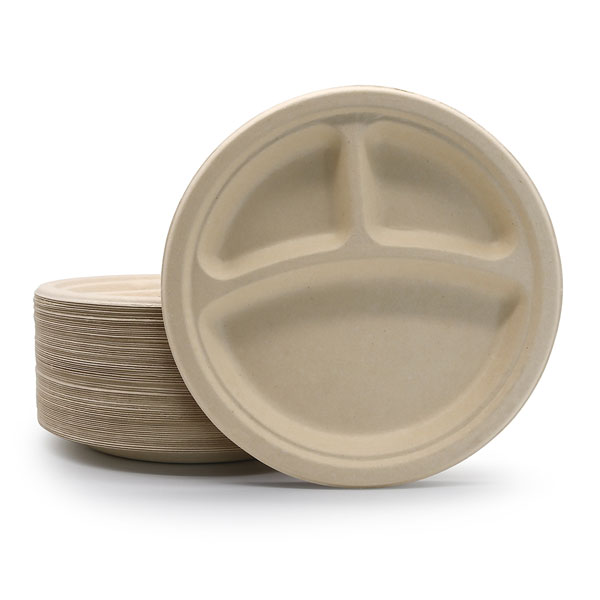
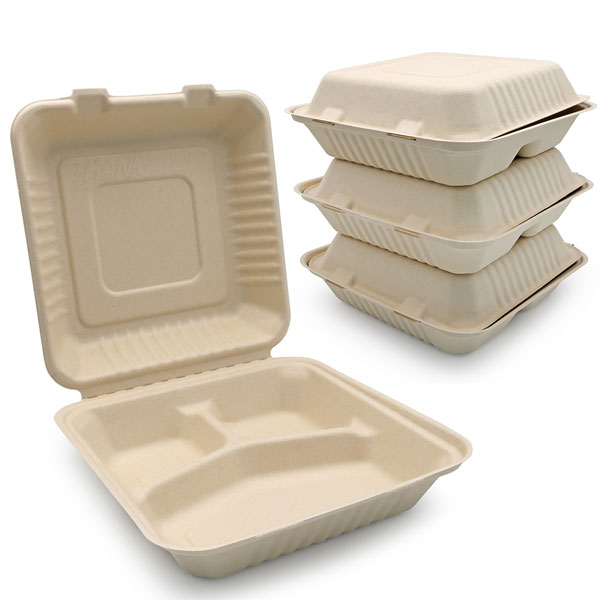
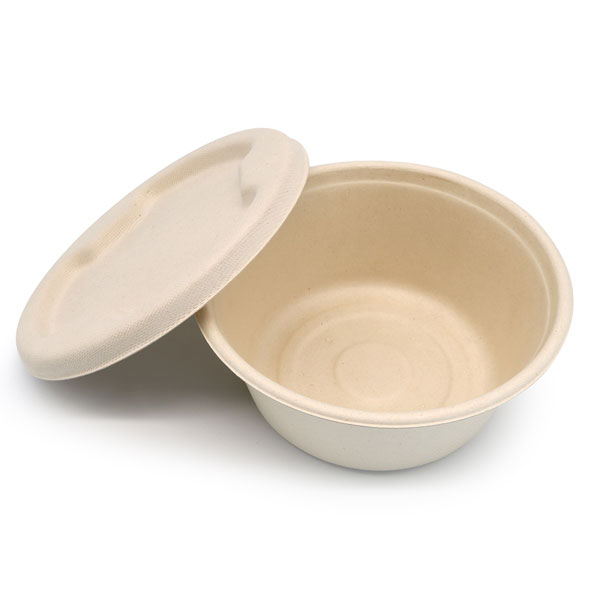
For years, sugarcane bagasse has been recognized as a sustainable alternative to traditional food packaging materials. As a byproduct of sugar production, this fibrous residue offers an eco-friendly foundation for disposable food containers, plates, and bowls. However, the industry has faced persistent challenges with pure bagasse packaging—particularly regarding moisture resistance, durability in hot or oily conditions, and consistent performance across diverse food service applications. These limitations have created a gap between sustainability goals and practical business needs in the food service sector.
The breakthrough in bagasse packaging comes from sophisticated hybrid bio-based additives that enhance the material's natural properties without compromising its compostability. These innovative additives represent a new generation of sustainable materials science, combining plant-based polymers, natural waxes, and bio-derived resins to create synergistic effects. Unlike conventional petroleum-based coatings, these hybrid solutions maintain the packaging's organic certification while significantly improving functional performance. The result is a material that meets both environmental standards and rigorous commercial requirements.
For restaurants, catering services, and food delivery businesses, the enhanced bagasse packaging offers tangible operational benefits. The hybrid additives provide superior moisture resistance, allowing containers to hold saucy dishes, soups, and oily foods without compromising structural integrity. Thermal stability improvements mean packaging can withstand both microwave reheating and hot food temperatures without warping or leaching. Most importantly, these enhancements come without extending the composting timeline—advanced bagasse packaging still breaks down completely in commercial composting facilities within 90-180 days.
The new generation of bagasse packaging with hybrid additives offers unprecedented customization possibilities for environmentally-conscious brands. The improved surface characteristics allow for higher-quality printing, embossing, and branding applications. Food service businesses can now showcase their sustainability commitment through premium-looking packaging that performs as well as it looks. This represents a significant competitive advantage in markets where consumers increasingly choose brands based on their environmental credentials and packaging aesthetics.
Navigating the complex landscape of food packaging regulations requires careful consideration of material composition. The hybrid bio-based additives used in advanced bagasse packaging are designed to meet global food contact standards, including FDA, EU, and other regional requirements. Additionally, these innovations support circular economy principles by maintaining full compostability while reducing food waste through better packaging performance. For businesses seeking BRC, SQF, or other food safety certifications, the traceability and consistency of these enhanced materials provide valuable documentation advantages.
Transitioning to advanced bagasse packaging requires strategic planning but offers substantial ROI through customer satisfaction and sustainability marketing benefits. Businesses should begin with pilot programs for specific menu items, gradually expanding as they validate performance across different food types. Partnering with suppliers who offer technical support and customization services ensures optimal implementation. The cost premium for enhanced bagasse packaging is increasingly offset by reduced waste, improved brand perception, and alignment with municipal composting initiatives that may reduce waste disposal fees.
The innovation represented by hybrid bio-based additives in bagasse packaging signals a broader shift in sustainable materials development. No longer are businesses forced to choose between environmental responsibility and functional performance. This technology demonstrates that advanced material science can enhance natural substrates to meet commercial demands while maintaining ecological integrity. As regulatory pressures increase and consumer expectations evolve, such innovations position forward-thinking businesses at the forefront of the sustainable food service revolution.
For food service businesses considering packaging upgrades, the new generation of bagasse packaging offers a compelling value proposition. Begin by assessing current packaging pain points and sustainability goals. Request samples from suppliers offering hybrid additive technologies to test with your specific menu items. Evaluate the total cost of ownership, including potential waste reduction and marketing benefits. Most importantly, communicate the innovation to your customers—today's consumers value transparency about sustainability improvements and will reward businesses that invest in genuine environmental solutions.