European fresh food supply chains face unprecedented pressure to balance operational efficiency with stringent sustainability requirements. As EU regulations like the Single-Use Plastics Directive and Packaging and Packaging Waste Regulation (PPWR) tighten, food producers, distributors, and retailers must find innovative solutions that protect product quality while meeting environmental targets. Traditional plastic packaging, once the industry standard, now presents compliance risks and brand reputation challenges for forward-thinking businesses.
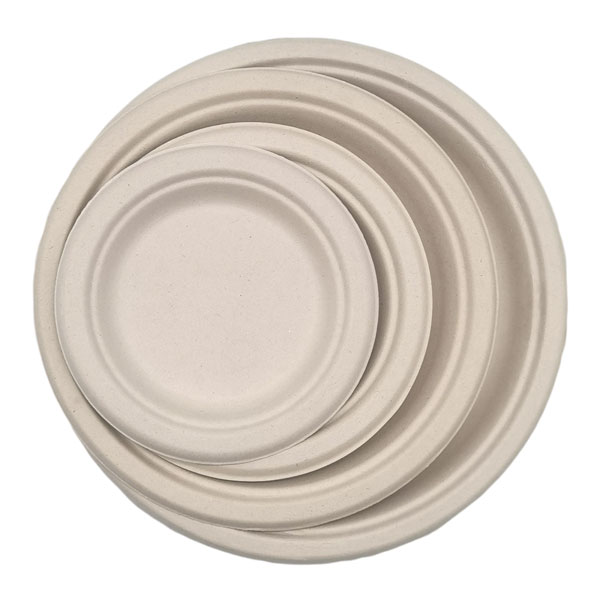
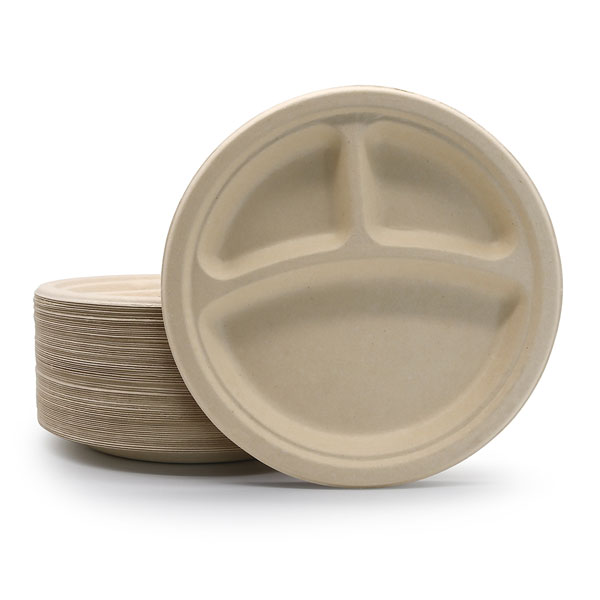
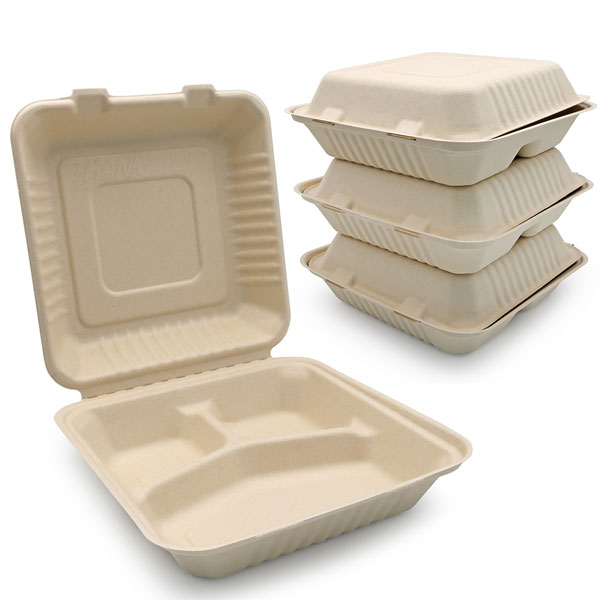
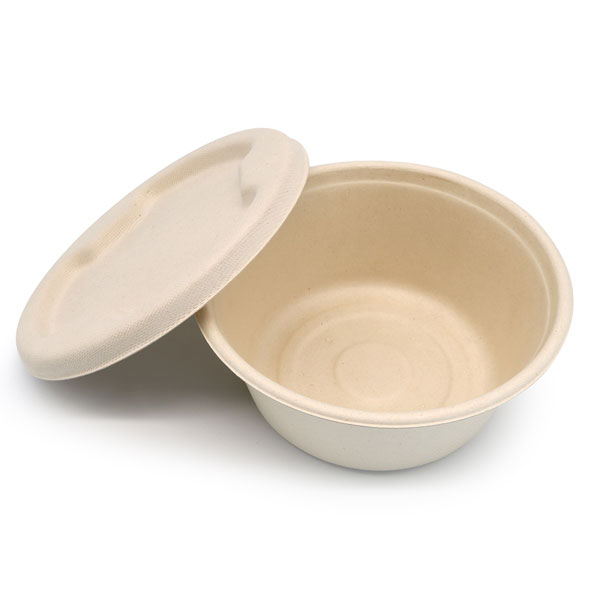
Smart flexible bagasse packaging represents a breakthrough in sustainable food packaging technology. Derived from sugarcane fiber, a renewable agricultural byproduct, bagasse offers exceptional moisture resistance, thermal insulation, and structural integrity. Unlike rigid alternatives, flexible bagasse solutions adapt to various product shapes and sizes, reducing material waste and optimizing logistics efficiency. For European fresh chains handling everything from berries to leafy greens, this flexibility translates to better protection during transit and extended shelf life.
For businesses operating within Europe's complex fresh food networks, smart bagasse packaging delivers measurable advantages. First, it ensures compliance with evolving EU packaging regulations, including compostability certifications (EN 13432) and food contact material standards. Second, the lightweight nature reduces transportation costs and carbon emissions throughout the supply chain. Third, the material's natural breathability helps regulate humidity, reducing condensation that often accelerates spoilage in conventional packaging.
Modern bagasse packaging solutions offer extensive customization options that align with European brand aesthetics and marketing strategies. From embossed logos to full-color printing using food-safe inks, businesses can transform functional packaging into powerful brand ambassadors. This is particularly valuable for premium organic producers and retailers seeking to communicate their sustainability commitment directly to consumers. The natural, earthy appearance of bagasse inherently conveys quality and environmental responsibility.
The "smart" aspect of these packaging solutions extends beyond material science. Advanced bagasse packaging can integrate with IoT sensors, QR codes, and RFID technology to provide real-time monitoring of temperature, humidity, and location throughout the supply chain. For European fresh chains operating across multiple countries, this data transparency enhances quality control, reduces waste, and provides valuable insights for optimizing logistics operations.
European businesses face increasing pressure to demonstrate circular economy principles in their operations. Smart flexible bagasse packaging excels in this regard through its complete lifecycle sustainability. After use, certified compostable bagasse packaging can be processed in industrial composting facilities, returning nutrients to soil rather than contributing to landfill waste. This closed-loop approach aligns perfectly with EU circular economy action plans and helps businesses achieve their ESG (Environmental, Social, and Governance) targets.
Transitioning to smart bagasse packaging requires strategic planning. Successful implementation begins with a comprehensive assessment of current packaging needs, supply chain infrastructure, and regulatory requirements specific to each European market. Partnering with experienced packaging specialists ensures seamless integration with existing production lines and distribution networks. Many European businesses start with pilot programs for specific product lines before scaling across their entire fresh food portfolio.
As consumer preferences shift toward sustainable options and regulatory frameworks continue to evolve, smart flexible bagasse packaging is positioned to become the new standard for European fresh chains. The combination of environmental benefits, functional performance, and technological integration creates a compelling value proposition for businesses seeking competitive advantage. Early adopters not only future-proof their operations against regulatory changes but also establish market leadership in the growing sustainable packaging sector.
For European fresh food businesses ready to embrace smart flexible bagasse packaging, the journey begins with understanding specific operational requirements and sustainability goals. By selecting certified compostable materials, designing for optimal functionality, and leveraging customization opportunities, companies can transform their packaging from a compliance necessity to a strategic asset that drives brand value, reduces environmental impact, and enhances supply chain efficiency across European markets.