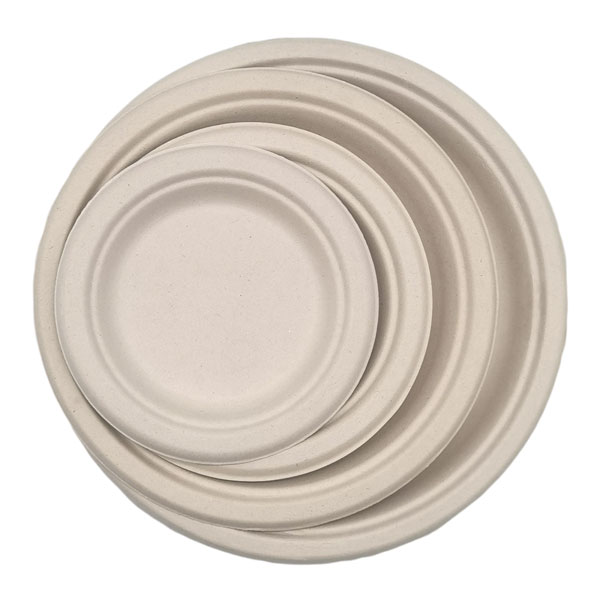
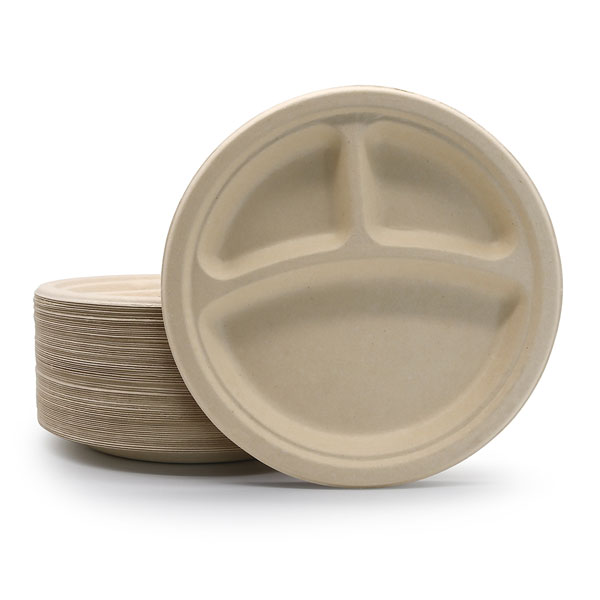
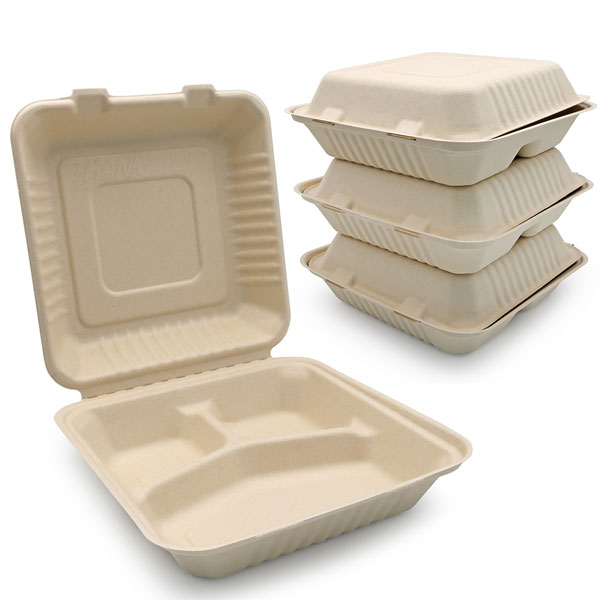
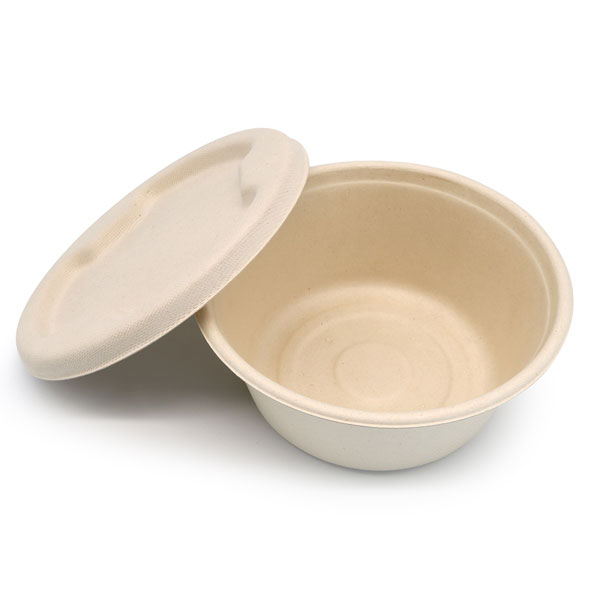
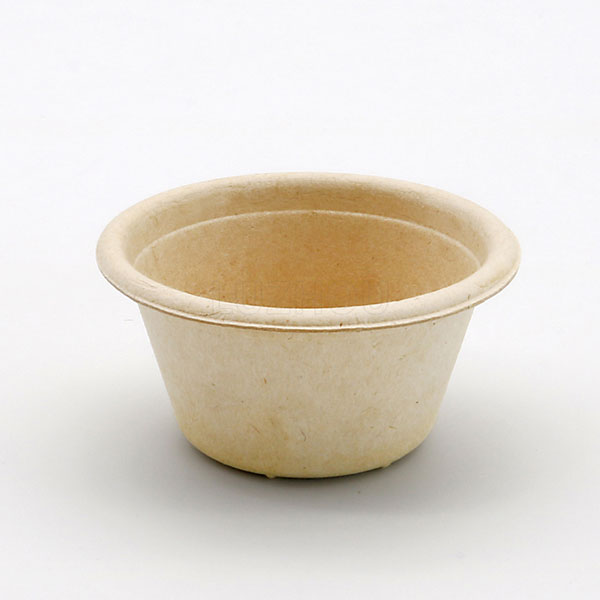
In today's eco-conscious market, businesses are constantly seeking reliable, compostable plates that can withstand real-world conditions without compromising on sustainability. Our latest breakthrough in biopolymer modification addresses a critical pain point: dimensional stability under extreme temperatures ranging from -25°C to 150°C. This innovation not only enhances the durability of sugarcane bagasse packaging but also redefines what compostable plates can achieve for B2B clients like you.
Biopolymers derived from natural sources like sugarcane bagasse have long been praised for their compostability, but traditional versions often struggle with warping or degradation in harsh environments. Our advanced modification process involves reinforcing the polymer matrix to resist thermal expansion and contraction. This ensures that your compostable plates maintain their shape and integrity, whether they're holding frozen foods at -25°C or hot meals at 150°C. For businesses, this translates to reduced waste, lower replacement costs, and a stronger brand reputation for sustainability.
We put our modified biopolymer packaging through rigorous testing to verify its performance. Using controlled environmental chambers, we simulated temperatures from freezing -25°C to scorching 150°C, monitoring for any changes in size, shape, or structural integrity. The results? Our sugarcane bagasse-based compostable plates showed minimal deformation, outperforming standard alternatives. This verification process is crucial for industries like food service and events, where temperature fluctuations are common, and reliability is non-negotiable.
As a B2B client, you understand the challenges of sourcing compostable plates that don't fail under pressure. Common issues include plates becoming brittle in cold settings or softening in heat, leading to spills and customer dissatisfaction. Our breakthrough directly tackles these pain points by ensuring that every plate remains stable and functional. This not only supports your environmental goals but also enhances operational efficiency, making it easier to adopt sustainable practices without sacrificing quality.
By integrating this biopolymer modification into your supply chain, you're investing in compostable plates that offer unmatched durability and eco-friendliness. Imagine serving hot soups or frozen desserts without worrying about plate failure—this innovation makes it possible. Plus, with growing consumer demand for green solutions, using verified stable packaging can boost your marketing efforts and attract eco-aware partners. It's a win-win: reduce your carbon footprint while delivering superior performance.
The dimensional stability breakthrough in sugarcane bagasse packaging marks a significant step forward for compostable plates. No longer just an eco-alternative, they're now a robust solution for extreme temperatures. As you plan your next order, consider how this innovation can address your business's unique needs. Embrace the future of sustainable packaging—where reliability meets responsibility.