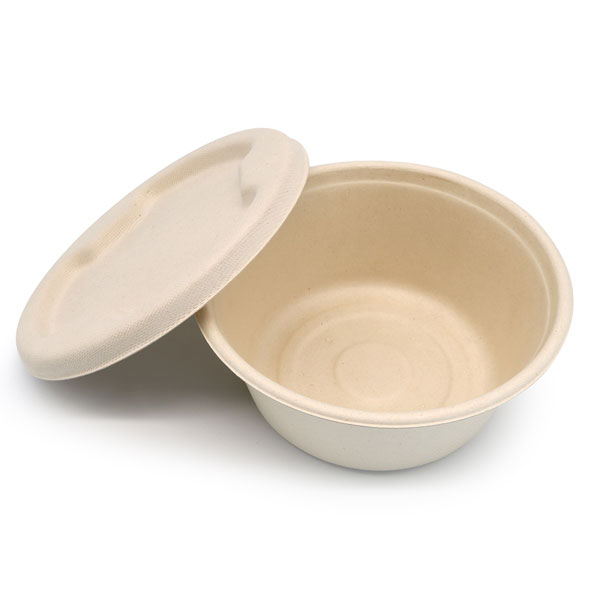
A seismic shift is underway in global retail procurement. Recent industry data reveals that 85% of the world's largest retailers have established concrete 2025 targets for eco-friendly packaging adoption. This isn't just corporate social responsibility—it's a $4.2 billion market transformation driving a staggering 320% growth in sugarcane bagasse packaging solutions. For procurement managers, restaurant chains, and food service providers, the message is clear: sustainable tableware isn't optional anymore.
Let's examine the numbers that are reshaping your supply chain decisions. The global sugarcane bagasse packaging market, valued at $1.3 billion in 2023, is projected to reach $4.2 billion by 2028. This explosive growth is directly tied to major retailers including Walmart, Target, Tesco, and Carrefour implementing mandatory sustainable packaging requirements for their suppliers. These aren't vague sustainability goals—they're specific, measurable procurement policies with real consequences for non-compliance.
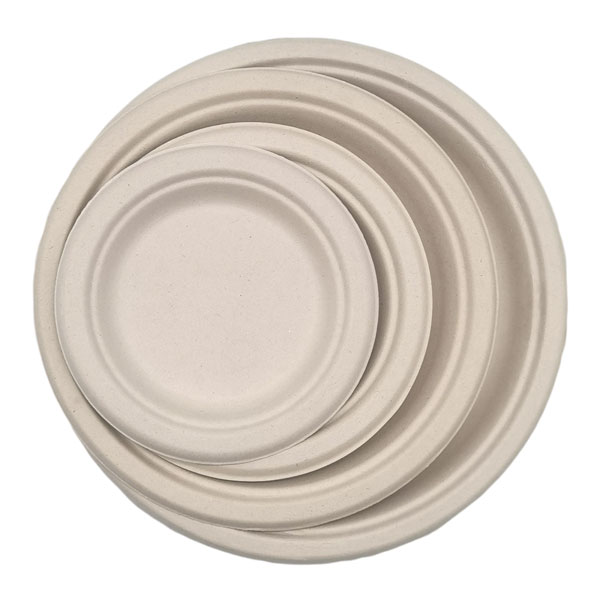
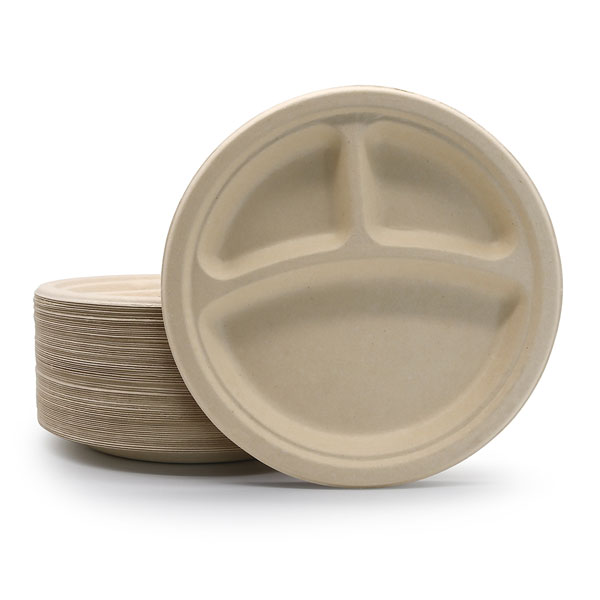
Among all eco-friendly packaging solutions, compostable plates stand out as the most practical and scalable option for food service businesses. Unlike traditional plastic or paper alternatives, high-quality compostable plates made from sugarcane bagasse offer:
• Complete biodegradability within 90 days in commercial composting facilities
• Superior heat resistance up to 220°F (104°C) for hot foods
• Oil and moisture resistance without chemical coatings
• Microwave-safe properties for consumer convenience
• Carbon-negative production process that actually sequesters CO2
Procurement managers face three critical challenges in meeting 2025 sustainability targets:
1. Verification Complexity: How do you prove your compostable plates meet ASTM D6400 or EN13432 standards?
2. Supply Chain Transparency: Can you trace your sugarcane bagasse back to sustainable farming practices?
3. Cost-Performance Balance: How do you maintain profitability while switching to premium sustainable materials?
The solution lies in partnering with certified compostable plate manufacturers who provide complete documentation chains—from farm to finished product.
Sugarcane bagasse, the fibrous residue left after juice extraction, represents a circular economy triumph. This agricultural byproduct, previously considered waste, now powers the sustainable packaging revolution. For businesses seeking compostable plates, sugarcane bagasse offers unique advantages:
• Renewable Resource: Sugarcane regrows completely within 12 months
• Water Efficiency: Requires 80% less water than paper pulp production
• Energy Positive: Production generates surplus bioenergy
• Soil Enhancement: Composted plates return nutrients to agricultural systems
Forward-thinking businesses are moving beyond generic sustainable tableware to customized compostable plate solutions that reflect their brand identity while meeting retailer requirements. Customization options include:
• Brand-specific embossing and watermarking
• Size and shape optimization for different food types
• Custom color palettes using natural, food-safe pigments
• Packaging designs that communicate sustainability credentials to end consumers
• Minimum order quantities as low as 5,000 units for testing and validation
Procurement teams can follow this actionable roadmap to ensure seamless transition to compostable plates:
1. Audit Current Usage: Quantify your current plate consumption and environmental impact
2. Requirement Mapping: Align your needs with specific retailer sustainability standards
3. Supplier Qualification: Vet compostable plate manufacturers for certification authenticity
4. Phased Implementation: Start with pilot programs before full-scale adoption
Businesses that proactively adopt compostable plates aren't just meeting requirements—they're building market advantages. Early adopters benefit from:
• Preferred supplier status with major retailers
• Enhanced brand reputation and customer loyalty
• Protection against future regulatory changes
• Access to green financing and tax incentives
• Reduced waste disposal costs through composting partnerships
The 2025 procurement deadlines are approaching faster than most businesses realize. The 320% market growth in sugarcane bagasse packaging isn't a prediction—it's already happening. Companies that delay their transition to certified compostable plates risk losing shelf space, facing financial penalties, and damaging their brand reputation.
The most successful businesses aren't waiting for mandates to force change. They're proactively partnering with experienced compostable plate manufacturers who understand both sustainability science and commercial realities. These partnerships provide more than products—they deliver complete solutions including certification documentation, supply chain transparency, and implementation support.
As you evaluate your sustainable tableware options, remember that compostable plates represent more than an environmental choice. They're a strategic business decision that aligns with global market trends, satisfies increasingly conscious consumers, and future-proofs your operations against regulatory changes. The question isn't whether to make the switch, but how quickly you can implement a solution that meets both your operational needs and sustainability targets.
The revolution in sustainable procurement is here. Compostable plates are at its forefront. Your opportunity to lead—rather than follow—this transformation begins with understanding that the 2025 targets aren't distant goals. They're immediate business imperatives requiring action today for success tomorrow.