Governments worldwide are not just talking about sustainability anymore; they are legislating it. 2024 marks a significant escalation in global plastic ban policies, with single-use plastics facing unprecedented restrictions across the EU, North America, and Asia-Pacific. For B2B buyers in hospitality, catering, and food service, this isn't merely an environmental concern—it's a pressing operational and compliance challenge. The scramble for viable alternatives has officially begun, opening a market valued at over $20 billion. The question is no longer if you should switch, but to what.
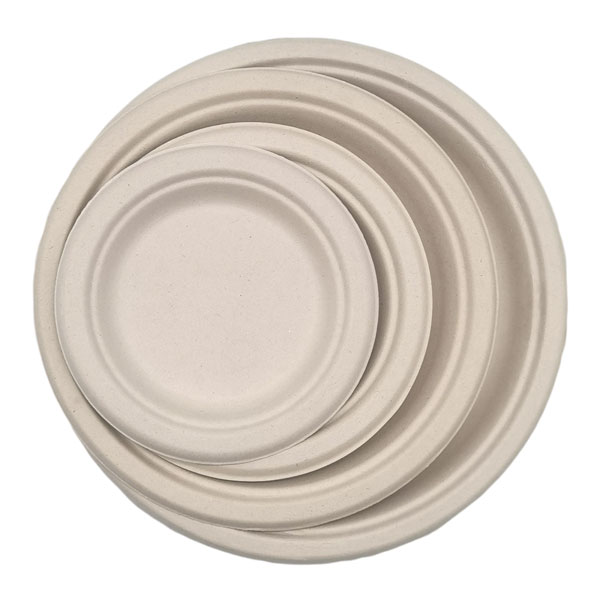
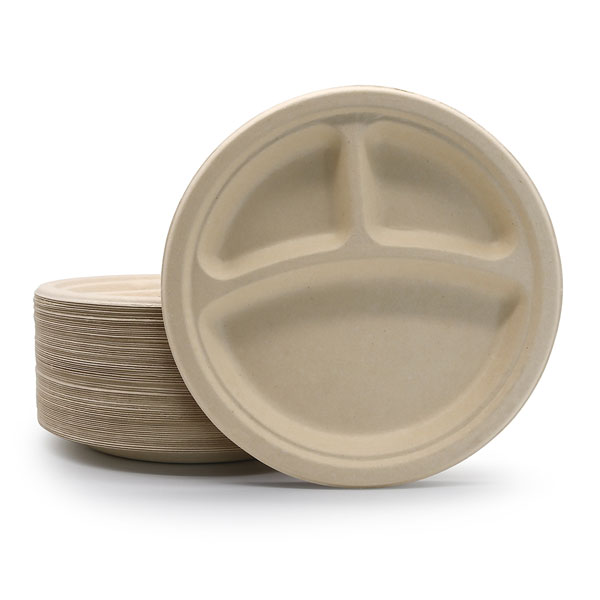
Amidst a sea of "eco-friendly" claims, discerning businesses need solutions that are verifiable and effective. This is where materials like sugarcane bagasse rise to the top. Unlike conventional plastics or even some bioplastics that require industrial facilities, high-quality compostable plates made from bagasse offer a clear end-of-life path. They are a byproduct of sugar extraction, turning waste into a resource, and can decompose into nutrient-rich compost in a commercial composting environment, leaving no toxic residue.
Switching packaging is a major decision. Here’s how bagasse compostable plates directly address your key concerns:
Compliance & Risk Mitigation: Proactively adapt to current and upcoming bans. Using certified compostable products future-proofs your supply chain against regulatory fines and brand damage.
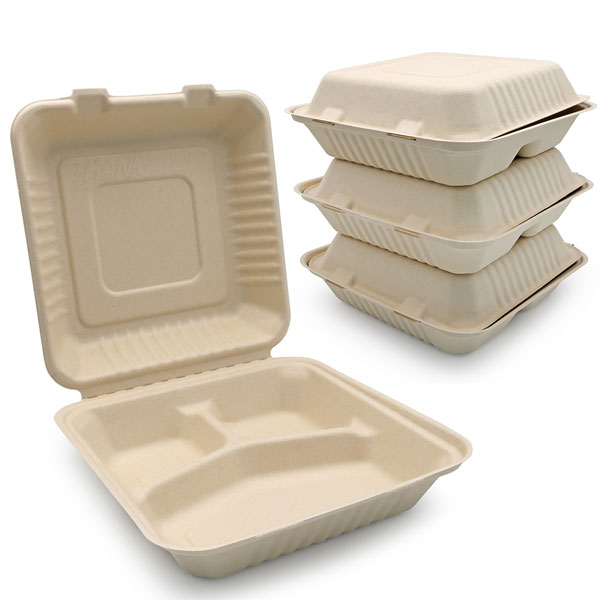
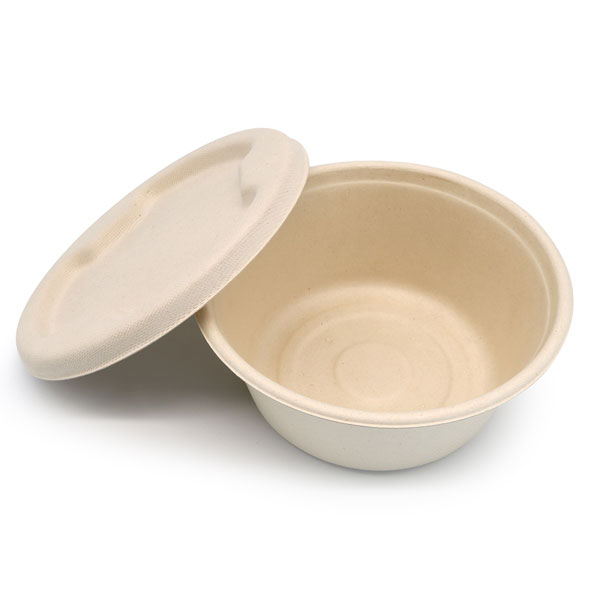
Performance Anxiety: Will they hold up? Modern bagasse plates are engineered for durability. They are microwave-safe, leak-resistant for greasy or saucy foods, and provide a sturdy, premium feel that enhances the dining experience—far from the flimsy stereotypes of early eco-products.
Cost & Supply Stability: While initial cost-per-unit may be higher than plastic, consider the total cost of compliance, waste management, and brand value. Furthermore, sugarcane is a rapidly renewable crop, offering more stable long-term supply chains than petroleum-based plastics subject to volatile markets.
Authentic Brand Story: In an era of conscious consumerism, using genuine compostable tableware is a powerful, marketable statement. It demonstrates a tangible commitment to sustainability that resonates with partners and end-customers, building loyalty and justifying premium positioning.
The $20 billion alternative packaging market isn't a monolith; it's segmented by material, application, and credibility. By choosing certified compostable plates from sugarcane bagasse, you position your business in the fastest-growing, most credible segment. You're not just replacing plastic; you're investing in a circular model that appeals to investors, franchisees, and a growing demographic of eco-aware clients. It's a strategic move that turns a compliance necessity into a competitive advantage.
Not all compostables are created equal. To ensure you're getting a product that meets both policy and performance needs, insist on third-party certifications like BPI (USA), TÜV Austria (OK compost INDUSTRIAL), or AS 5810 (Australia). These are your guarantees that the plates will break down as promised. Partner with a B2B supplier who understands customization—offering branded solutions in sizes, shapes, and designs that fit your specific menu and brand identity—and can provide reliable, scalable supply.
The 2024 policy upgrades are a clear signal: the linear "take-make-dispose" model is obsolete. The future belongs to circular solutions that design waste out of the system. Sugarcane bagasse compostable plates embody this principle. They represent a smart, scalable, and responsible step forward. By adopting them now, you're not just avoiding penalties; you're leading your industry into a profitable and sustainable new era.
Ready to transform a regulatory challenge into your greatest brand asset? The market is shifting. Ensure you're on the right side of history—and consumer demand.