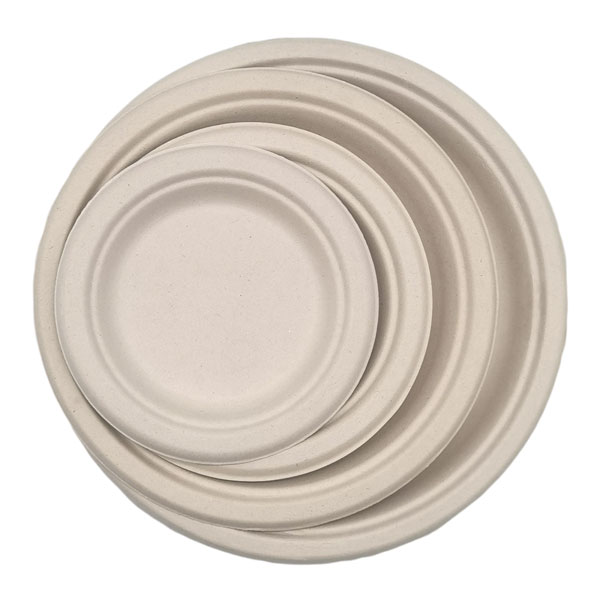
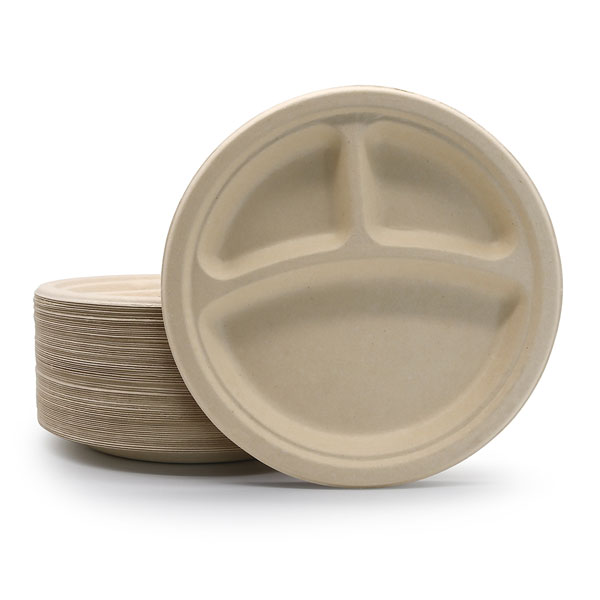
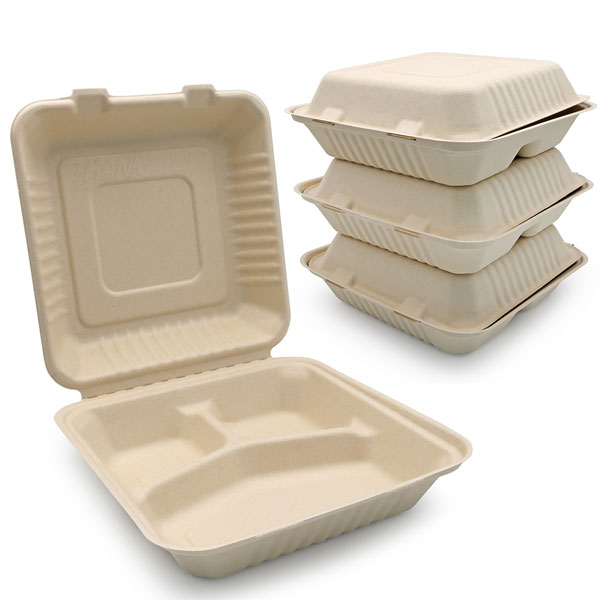
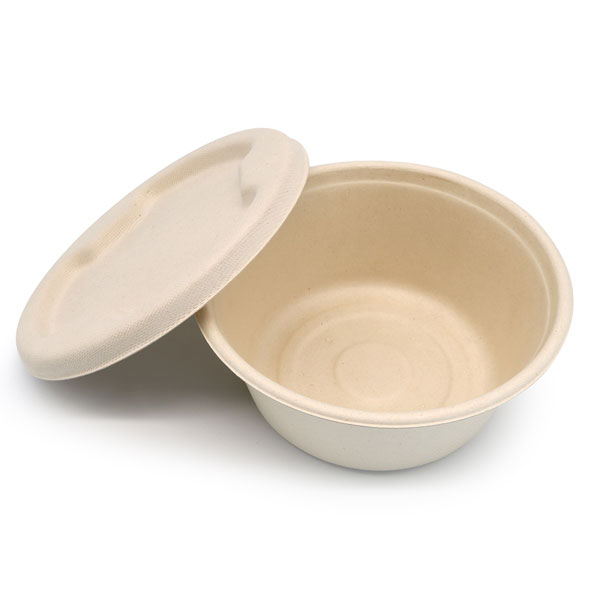
For export-oriented businesses, the global trade landscape is shifting rapidly from a focus solely on cost and quality to one increasingly governed by environmental accountability. The impending wave of carbon border adjustment mechanisms (CBAM), set for broader implementation by 2025, represents a significant financial pivot point. Early analyses suggest non-compliant packaging could trigger additional levies of up to 8% on affected goods. This isn't merely a 'green' trend; it's a new fiscal reality where your packaging choice directly impacts your bottom line.
The core intent of policies like the EU's CBAM is to level the playing field by putting a price on the carbon emissions embedded in imported products. For manufacturers using conventional plastic or non-recyclable packaging, the embedded carbon footprint—from fossil fuel extraction to energy-intensive production and problematic end-of-life—is high. This footprint will soon be quantifiable and taxable. For businesses exporting to green-regulation leaders like the European Union, United Kingdom, and Canada, compostable plates and foodservice packaging are transitioning from a niche alternative to a strategic shield against these cross-border carbon costs.
Switching to certified, commercially compostable plates is the most direct operational move to neutralize packaging-related carbon tariff risks. Here’s how this strategic shift delivers value:
Certified compostable plates are typically derived from annually renewable resources (like bagasse, bamboo, or PLA from corn). Their production lifecycle generally has a lower carbon footprint compared to petroleum-based plastics. By providing Life Cycle Assessment (LCA) data for your packaging, you can substantiate lower embedded emissions for your products, directly influencing your tariff liability.
Carbon tariffs are just one part of a broader regulatory push toward circularity. Products designed for end-of-life in industrial composting facilities (like our custom compostable plates) satisfy Extended Producer Responsibility (EPR) schemes and plastic tax regulations. This future-proofs your supply chain against a patchwork of evolving international waste and recycling laws.
Proactively adopting eco-packaging signals alignment with the values of your B2B clients and their end-consumers. It transforms compliance from a cost center into a powerful marketing and sales asset, easing negotiations with sustainability-minded retailers and distributors in regulated markets.
To position your business ahead of the 2025 deadline, a structured approach is essential:
Audit & Benchmark: Calculate the carbon footprint of your current packaging. Compare it against the profile of custom compostable alternatives.
Certify for Credibility: Ensure your chosen compostable plates carry recognized certifications (e.g., BPI, TÜV OK compost INDUSTRIAL, DIN CERTCO). This provides the verifiable proof needed for customs and sustainability reports.
Communicate Proactively: Integrate your sustainable packaging strategy into your export documentation and customer communications. Highlight it as a core component of your value proposition and risk mitigation strategy.
The message is clear: in the 2025 trade environment, sustainable packaging is a strategic financial decision. By investing in certified compostable plates now, export enterprises can adeptly navigate the new carbon economy, safeguarding profitability while building a resilient, forward-looking brand. The 8% tariff isn't an inevitability—it's a choice determined by the materials you specify today.