In the world of fine dining, every detail is scrutinized—the ambiance, the service, the presentation. Yet, one element often remained an afterthought: the takeaway and to-go packaging. For a forward-thinking Michelin-starred restaurant (which we'll refer to as "Epicurean Haven"), this oversight became a pivotal opportunity. They discovered that switching from conventional plastic to custom-branded compostable plates made from sugarcane pulp didn't just solve a waste problem; it ignited a powerful marketing engine, leading to a documented 45% surge in social media exposure. Here's how this strategic pivot worked and what it means for your business.
Epicurean Haven faced a critical disconnect. Their on-premise experience spoke of luxury and responsibility, but their off-premise packaging told a different story—one of generic plastic clamshells that ended up in landfills. This inconsistency was a silent brand detractor. Environmentally conscious patrons, especially millennials and Gen Z, who actively share dining experiences online, were less likely to photograph or promote a meal presented in unsustainable packaging. The compostable plates were not just a product swap; they were a necessary alignment of brand values at every customer touchpoint.
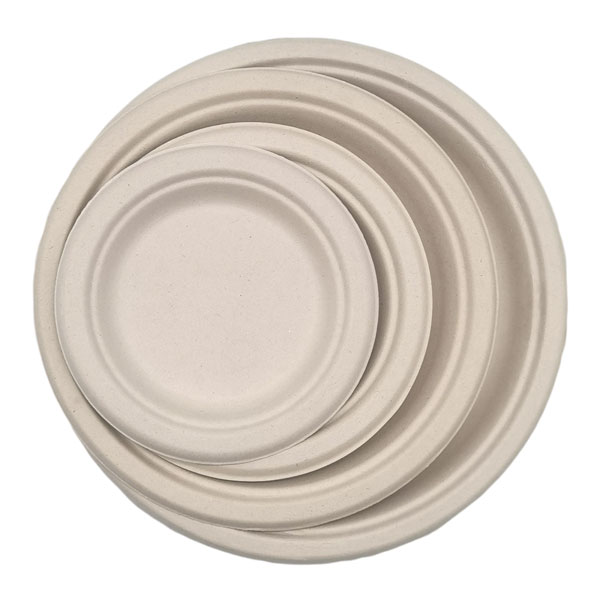
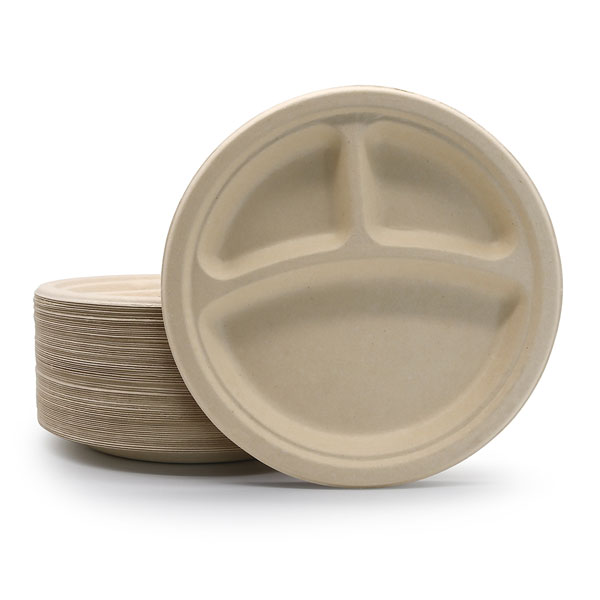
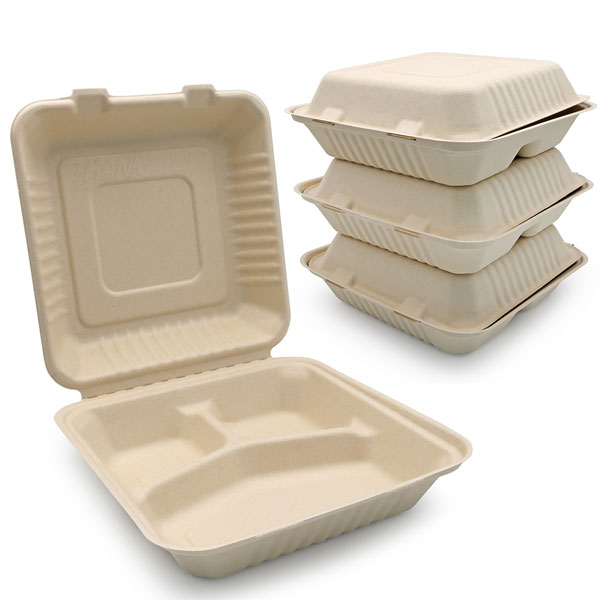
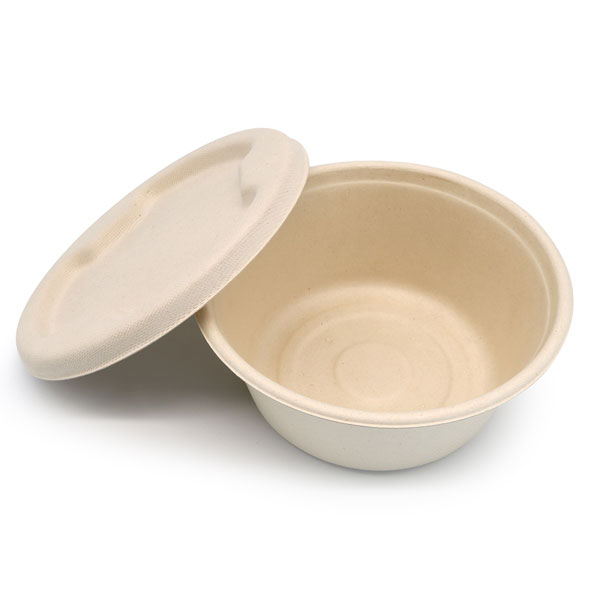
Sugarcane pulp, or bagasse, is a byproduct of sugar extraction. It's sturdy, heat-resistant, and certified commercially compostable. For Epicurean Haven, the choice was strategic. The material's natural, elegant texture visually communicated quality and eco-consciousness. By customizing these compostable plates with their minimalist logo and a subtle "I'm compostable" icon, they transformed a disposable item into a branded artifact. The packaging itself became a tangible story about circular economy and thoughtful sourcing—a story customers were eager to tell.
The increase in social media mentions, tags, and shares wasn't accidental. It was engineered through several key factors inherent to the custom compostable plates:
1. Photogenic & 'Share-Worthy' Aesthetics: The natural, beige finish of the sugarcane pulp provided a beautiful, neutral backdrop that made food colors pop. Patrons instinctively placed these elegant containers in their flat lays and food photos, a stark contrast to the unphotogenic white plastic.
2. The Hashtag-Friendly Narrative: The custom imprint encouraged storytelling. Customers used hashtags like #CompostablePlates, #ZeroWasteDining, #SustainableLuxury, and tagged the restaurant. This user-generated content amplified the brand's sustainability message authentically, reaching new, like-minded audiences.
3. Solving a Guilt Complex: The act of taking away a gourmet meal often came with a tinge of guilt about waste. The certified compostable solution alleviated this pain point. Happy, guilt-free customers became vocal advocates, often mentioning the eco-friendly packaging in their positive reviews and posts.
For businesses sourcing custom compostable plates, the Epicurean Haven case offers profound lessons:
Customization is Non-Negotiable: Blank, generic compostables miss the branding opportunity. Your logo and a concise sustainability message turn packaging into a marketing touchpoint.
Educate the End-Consumer: A small icon or line like "Compost me commercially" guides proper disposal and reinforces the product's lifecycle, enhancing your client's brand as an educator.
Supply the Story for Social Media: Provide your B2B clients (like restaurants) with suggested social media captions, hashtags, and even high-quality photos of your custom compostable plates in use. Make it easy for them to market their sustainable choice.
Epicurean Haven's investment in custom sugarcane pulp compostable plates transcended cost-per-unit. It was an investment in brand coherence, customer loyalty, and earned media. The 45% increase in social exposure translates to free marketing, new customer acquisition, and a solidified reputation as an industry leader in sustainability.
In today's market, sustainable packaging is no longer just an operational decision; it's a core content marketing and SEO strategy. By offering custom, story-rich compostable plates, you're not just selling a product—you're providing your B2B clients with a tool to amplify their brand, engage their audience, and turn every takeout order into a potential viral post. The future of packaging is not just about containing food; it's about containing a compelling story that the world wants to share.