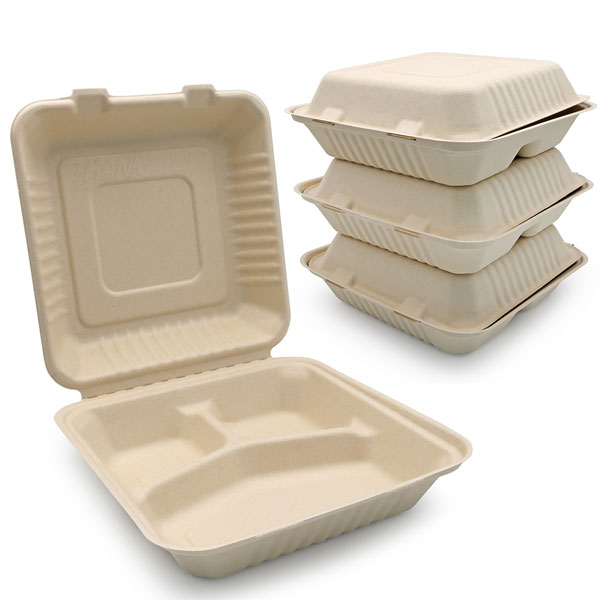
The year 2024 marks a pivotal shift in B2B procurement, where transparency is no longer a luxury but a baseline requirement. The driving force? Packaging carbon labeling. As businesses scramble to meet stringent ESG goals and consumer demands, a clear, certified carbon footprint has become the ultimate differentiator. In this new landscape, one material is emerging as a clear frontrunner: bagasse, the fibrous byproduct of sugarcane processing. Bagasse-based compostable plates and foodservice packaging are not just participating in this trend; they are leading it, capturing an estimated 30% of the dedicated low-carbon packaging market.
Imagine a world where every packaging choice comes with a clear environmental receipt. That's the reality carbon labeling is creating. For B2B buyers in hospitality, corporate catering, and food retail, this label cuts through the noise of vague "eco-friendly" claims. It provides quantifiable, comparable data on greenhouse gas emissions from cradle to grave. This transparency directly addresses a core pain point: the risk of greenwashing and the need for verifiable sustainability credentials to protect brand reputation. When a product like compostable plates made from bagasse carries a respected carbon certification, it transforms from a simple disposable item into a strategic asset for the purchasing company's sustainability report.
The dominance of bagasse in this space isn't accidental. Its lifecycle carbon footprint is inherently low for several compelling reasons:
1. Agricultural Byproduct, Not Virgin Material: Bagasse utilizes a waste stream from sugar production, avoiding the carbon emissions associated with harvesting trees or cultivating virgin crops solely for packaging.
2. Energy-Efficient Manufacturing: The pulping process for bagasse typically requires less energy and fewer chemicals compared to traditional paper pulping or plastic production.
3. End-of-Life Advantage: Certified compostable plates made from bagasse complete the cycle in industrial composting facilities, breaking down into nutrient-rich soil without leaving persistent microplastics or methane emissions from landfills.
When these factors are measured and validated by a third-party carbon footprint certification, the result is a powerfully low number that resonates on a carbon label.
Data reveals that carbon labeling can boost B2B purchase intent by up to 40%. Here's how this translates for your business when you offer certified bagasse compostable plates:
For the B2B buyer, a certified low-carbon product mitigates risk. It ensures compliance with corporate sustainability mandates and simplifies reporting, making their decision defensible and data-driven.
Restaurants, hotels, and offices using your certified plates can leverage this in their marketing. They can authentically communicate to their customers that they are choosing packaging with a proven, lower environmental impact.
A clear carbon label helps businesses efficiently calculate their Scope 3 emissions (indirect emissions in their value chain), a growing focus for investors and regulators.
To capitalize on this shift, your offering must go beyond simply selling compostable plates. You must become a provider of verifiable carbon solutions.
Actionable Steps: Partner with reputable lifecycle assessment (LCA) providers to obtain carbon footprint certifications for your bagasse product lines. Feature this certification and the resulting carbon label prominently on your website, product sheets, and samples. Educate your B2B clients on how your certified products directly contribute to their sustainability KPIs and ease their reporting burdens.
The 2024 packaging narrative is being written in grams of CO2 equivalent. Bagasse, with its compelling natural lifecycle and third-party verifiable data, is perfectly poised to write a leading chapter. By embracing carbon labeling and certification for your compostable plates, you're not just selling a product; you're providing a measurable, strategic advantage that directly addresses the most pressing pain points of the modern B2B buyer, turning environmental responsibility into a powerful driver of sales and loyalty.