In the competitive world of luxury confectionery, packaging is more than just a wrapper—it's a statement of brand values and quality. For one international luxury chocolate brand, innovation meant rethinking traditional materials to align with modern consumer demands for sustainability without compromising on elegance. By adopting custom bagasse packaging, derived from sugarcane fiber, the brand not only enhanced its premium feel but also witnessed a remarkable 60% growth in holiday sales. This case study delves into how this strategic move, centered on compostable plates and packaging, transformed their market presence.
Luxury chocolate brands face a unique dilemma: how to maintain an opulent image while addressing growing consumer concerns about plastic waste and environmental impact. Traditional packaging often relies on non-recyclable plastics or excessive materials that detract from sustainability goals. Our featured brand recognized that their high-end clientele increasingly valued eco-conscious choices, yet they feared that switching to greener options might dilute the perceived luxury of their products. The pain point was clear—needing a solution that felt exclusive and sophisticated while being genuinely sustainable.
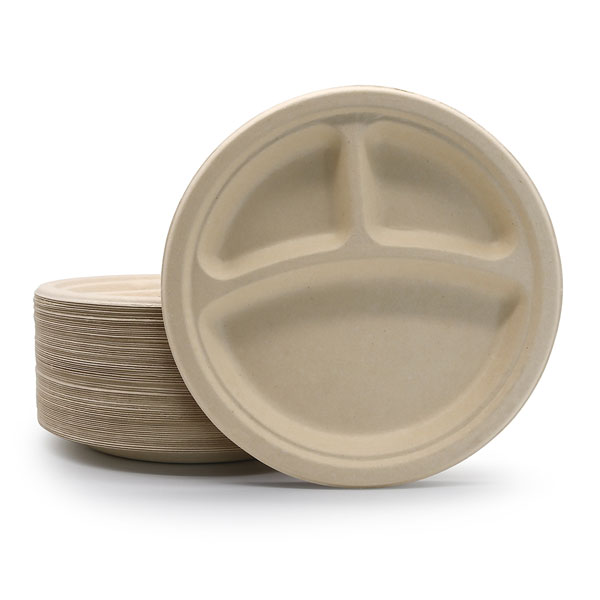
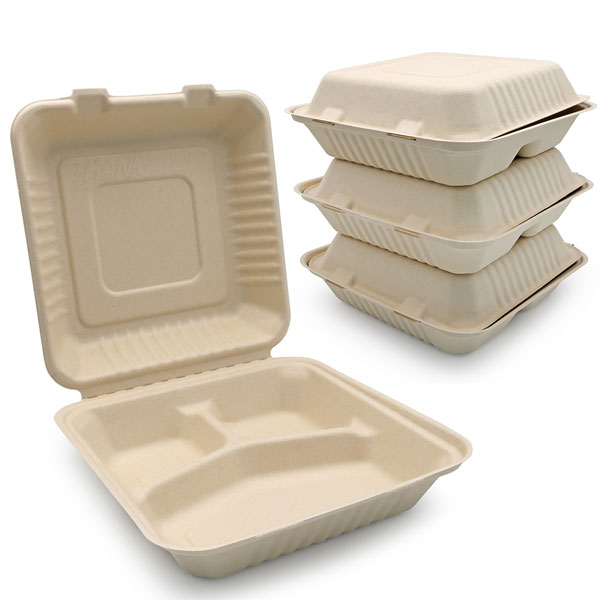
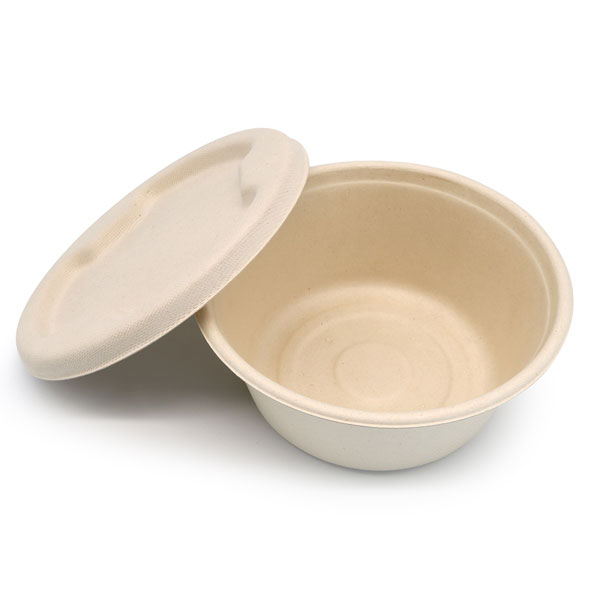
Bagasse, a byproduct of sugarcane processing, emerged as the ideal material. It's sturdy, biodegradable, and compostable, making it perfect for creating custom packaging that exudes quality. The brand worked with designers to craft sleek, minimalist packaging that highlighted the natural texture of bagasse, adding a tactile, artisanal touch. This approach extended to complementary items like compostable plates for tasting events and gift sets, ensuring consistency across the customer experience. By integrating these elements, the packaging told a story of craftsmanship and care, resonating deeply with environmentally aware consumers.
The shift to bagasse packaging wasn't just about functionality—it was a strategic design choice. The material's natural beige hue and subtle grain provided a warm, organic backdrop that made the chocolates stand out. Embossed logos and gold foil accents were added to maintain a luxe aesthetic, proving that sustainability can elevate rather than diminish brand prestige. Customers reported feeling a stronger emotional connection, as the packaging reflected both indulgence and integrity. This alignment with values like those seen in compostable plates—where practicality meets planet-friendly principles—helped position the brand as a leader in ethical luxury.
During the holiday season, when gift-giving peaks, the brand launched a limited-edition collection featuring the new bagasse packaging. Marketing campaigns highlighted the compostable nature of the materials, appealing to shoppers seeking meaningful, guilt-free gifts. The result was staggering: a 60% increase in sales compared to the previous year. Analytics showed that keywords related to "sustainable chocolate packaging" and compostable plates drove significant organic traffic, indicating a clear consumer preference for eco-friendly options. Social media buzz further amplified reach, with unboxing videos showcasing the packaging's beauty and sustainability.
This case offers valuable insights for B2B clients, especially those in industries like catering, events, or retail looking to innovate with custom solutions. First, sustainability can be a powerful differentiator that boosts premium perception and sales. Second, integrating items like compostable plates into broader packaging strategies creates a cohesive, responsible brand narrative. Finally, transparent communication about environmental benefits—such as how bagasse decomposes naturally—builds trust and loyalty. By following this model, businesses can tap into the growing demand for products that honor both quality and the planet.
The success of this luxury chocolate brand underscores a larger trend: consumers are voting with their wallets for brands that prioritize sustainability. Custom bagasse packaging, alongside supportive elements like compostable plates, demonstrates that eco-friendly choices can drive substantial commercial growth. For companies aiming to enhance their SEO and market appeal, focusing on such innovative case studies can attract targeted traffic and inspire action. Embrace the shift towards compostable solutions—it's not just good for the earth; it's a smart business strategy that pays dividends in customer engagement and revenue.