In the rapidly evolving world of eco-friendly packaging, bagasse containers have emerged as a leading solution for businesses seeking sustainable alternatives to traditional plastics. However, the challenge has always been balancing environmental responsibility with production efficiency and brand visibility. Enter new automated labeling technology specifically designed for bagasse packaging - a game-changing innovation that addresses these critical B2B pain points while advancing your sustainability goals.
Bagasse, the fibrous byproduct of sugarcane processing, presents unique labeling challenges. Its natural texture and composition require specialized adhesive solutions and application methods. Traditional manual labeling processes often struggle with consistency, speed, and adhesion quality on these sustainable materials. The new automated labeling technology solves these issues through precision engineering that accounts for bagasse's specific surface characteristics, ensuring perfect application every time while dramatically increasing production throughput.
For businesses investing in sustainable packaging solutions, this technology delivers measurable advantages. First, production efficiency increases by up to 300%, allowing you to meet growing demand for compostable takeout packaging without sacrificing quality. Second, the technology enables seamless brand customization - from intricate logos to regulatory compliance information - all applied with consistent precision. Third, reduced material waste and energy consumption align perfectly with your sustainability metrics, creating a compelling story for environmentally conscious clients.
The core innovation lies in the adaptive application system that adjusts to bagasse's natural variations. Unlike rigid plastic surfaces, bagasse containers have slight texture differences that traditional labelers can't accommodate. This automated labeling technology features intelligent sensors that detect surface characteristics in real-time, adjusting pressure, temperature, and application speed accordingly. The result? Perfect adhesion without compromising the container's compostable properties or structural integrity.
In today's regulatory environment, proper labeling isn't just about branding - it's about compliance. The technology ensures accurate placement of essential information including compostability certifications, material composition, and disposal instructions. For businesses offering custom compostable packaging, this means consistent brand presentation across thousands of units, reinforcing your commitment to quality and sustainability in every customer interaction.
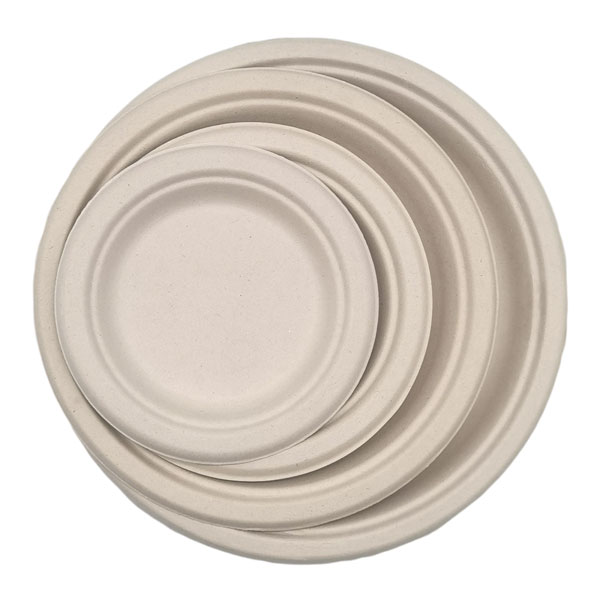
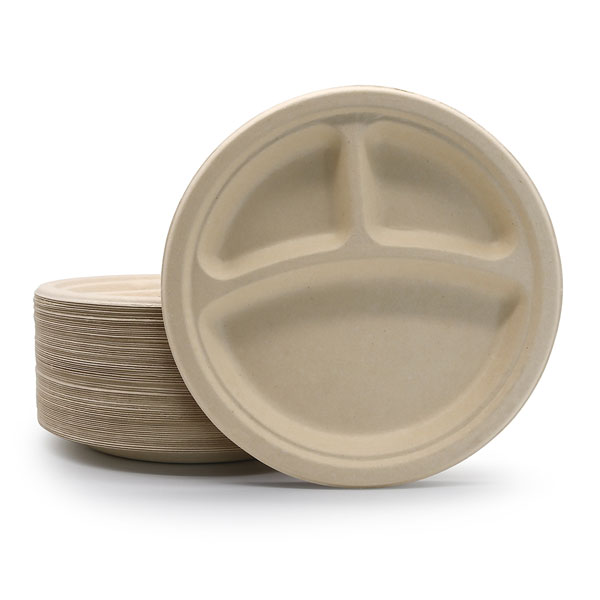
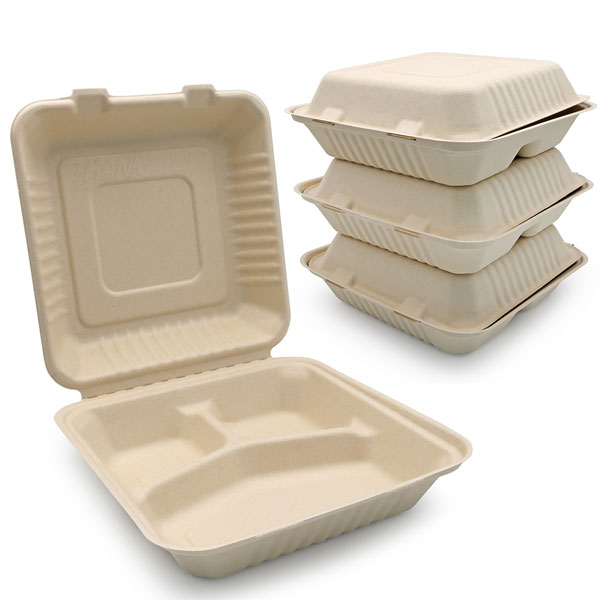
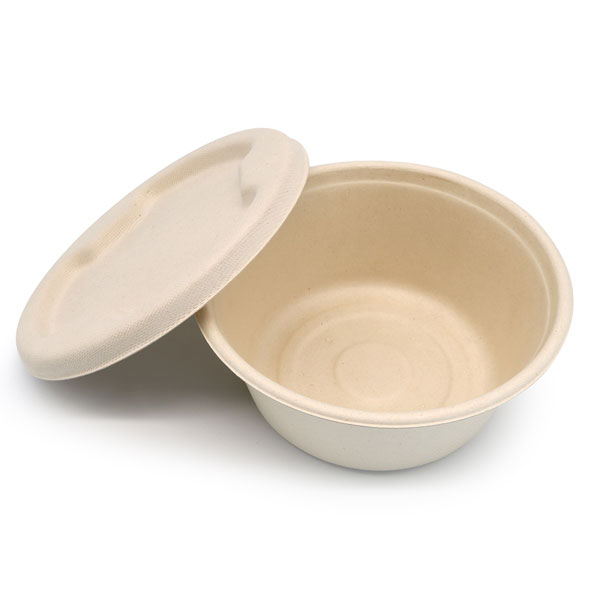
One of the most significant advantages for B2B operations is the seamless integration capability. The automated labeling systems are designed to retrofit existing bagasse packaging lines with minimal disruption. Whether you're producing clamshell containers, bowls, or plates, the technology adapts to your specific production requirements. This flexibility allows businesses to upgrade their capabilities without costly complete line replacements, protecting your investment while future-proofing your operations.
Beyond production efficiency, this technology delivers substantial environmental benefits. Reduced adhesive usage, lower energy consumption, and minimized material waste contribute to a smaller carbon footprint. For businesses calculating their sustainability ROI, the numbers are compelling: faster production cycles mean reduced energy consumption per unit, while consistent application reduces material waste by up to 25%. These savings translate directly to your bottom line while enhancing your environmental credentials.
As consumer demand for eco-friendly food packaging continues to grow, businesses that can deliver both sustainability and operational excellence will lead the market. This automated labeling technology represents more than just a production upgrade - it's a strategic investment in your brand's future. By combining the natural benefits of bagasse with cutting-edge application technology, you position your business as an innovator in the sustainable packaging space, attracting environmentally conscious B2B clients who value both ecological responsibility and business efficiency.
The evolution of automated labeling for sustainable materials is just beginning. Future developments include smart labeling with QR codes for supply chain transparency, dynamic pricing integration, and even interactive consumer engagement features. By adopting this technology today, you're not just solving current production challenges - you're positioning your business at the forefront of the next generation of intelligent, sustainable packaging solutions.
For businesses ready to embrace this technology, the transition process is straightforward. Begin with a comprehensive assessment of your current bagasse packaging operations, identify specific pain points in your labeling process, and consult with technology providers who specialize in sustainable packaging solutions. Many providers offer pilot programs that allow you to test the technology's impact on your specific production environment before making a full investment.
The new automated labeling technology for bagasse packaging represents a significant leap forward in sustainable manufacturing. By combining environmental responsibility with production efficiency, it addresses the core challenges facing today's eco-conscious businesses. Whether you're a packaging manufacturer seeking to enhance your offerings or a brand owner looking to improve your sustainable packaging line, this innovation provides the tools to compete effectively in the growing market for environmentally responsible solutions.